



SEPTA Starts Installation of New Metro Wayfinding System
The first new signs have debuted as part of the opening for the new Drexel Station at 30th Street, and the rollout will continue station-by-station over the next two years.

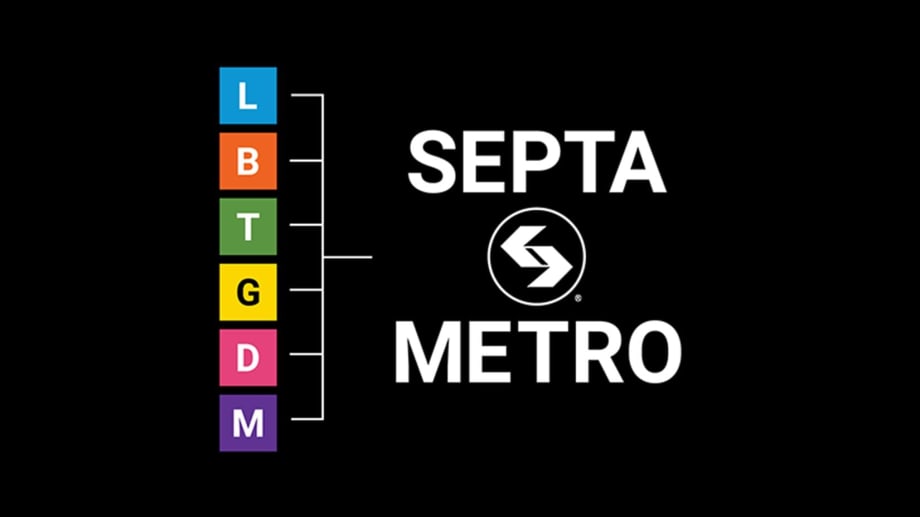
The first new SEPTA signs have debuted as part of the opening for the new Drexel Station at 30th Street, and the rollout will continue station-by-station over the next two years.
Photo: SEPTA
SEPTA is marking a major milestone in the implementation of its new Metro wayfinding system, with the start of the implementation phase.
In conjunction with this, the new letters and symbols will now be used alongside existing terms on SEPTA.org.
SEPTA’s New Wayfinding
The first new signs have debuted as part of the opening for the new Drexel Station at 30th Street, and the rollout will continue station-by-station over the next two years.
The next location for new signage is 15th St/City Hall, a critical complex at the core of the system that research found is often confusing for customers to navigate. This will occur later in 2024, followed by other stations on the Broad Street Line.
“The project will make the system easier to navigate for all passengers, regardless of language, ability, or familiarity with public transportation,” said Leslie S. Richards, SEPTA CEO/GM. “The new signage and wayfinding tools will help everyday riders take new trips and contribute to Philadelphia’s preparation as a host city for the World Cup in 2026.”
SEPTA Wayfinding Improvements
The SEPTA Metro improvements include:
Use of easy to see and read colors, letters, and numbers for each SEPTA Metro line. This will improve visibility and clarity.
New maps and signs that show bus connections and highlight SEPTA’s most frequent bus lines.
New station entrance and exit signage to make the system easier to find.
New “neighborhood maps” to help riders get oriented when leaving a station.
Adjusting station names to eliminate duplicates, such as “Girard” (Broad-Girard) on the Broad Street Line and “Girard” (Front-Girard) on the Market-Frankford Line, and merging complexes, such as “15th St/City Hall” instead of having two separate station names: “15th St” and “City Hall.”
“We have spent four years conducting research, collecting feedback, engaging with the public, and running temporary pilots to create a wayfinding system that caters to the needs of current and potential riders,” said Lex Powers, director, service information design, at SEPTA. “We appreciate the enthusiasm and contributions of our customers throughout the planning and research process.”
SEPTA plans to complete the Broad Street Line first, before moving on to the Market-Frankford Line, trolley lines, and Norristown High Speed Line.
At the same time, SEPTA is improving its app, releasing more real-time information, working to vanquish “ghost buses,” and piloting new, easier-to-read bus detour signage to align with the larger wayfinding improvements.
More Technology

From Hardware to Digital Partner: Luminator Charts Its Next Chapter
CEO Magnus Friberg discusses Luminator’s shift toward becoming a digital partner, the growing importance of software and interoperability, and how AI can help agencies improve operations and passenger experience.
Read More →
Beyond the Checklist: A Structured Approach to Transit Maintenance
Reliability-Centered Maintenance helps transit agencies move beyond routine checklists to focus limited resources on the assets and failures that have the greatest impact on safety, reliability, and service.
Read More →
NJ TRANSIT Advances Bus Technology Upgrades Across Statewide Fleet
More than 1,500 buses now feature upgraded technology designed to improve arrival predictions and provide free Wi-Fi, with deployment expected to reach nearly 2,000 buses by the end of 2026.
Read More →

Building a Flexible Path to Transit Electrification
John Hroncich discusses BAE Systems’ modular and scalable approach, lessons learned from decades of real-world operations, and how agencies can identify electrification strategies that fit their fleets.
Read More →
Biz Briefs: Alstom Lands Canadian Contract, LYT to Supply California TSP, and More
In METRO's latest installment, we take a look at recent news from Complete Coach Works, Beep, FlixBus, and more partnerships making headlines across the transportation sector.
Read More →
From Legacy Silos to Conversational Intelligence
What if transit leaders could ask any operational question and get a trusted answer in seconds? Conversational AI is transforming how agencies use their data.
Read More →
USDOT Announces Rail Vehicle Replacement Grants, Chattanooga AV Shuttle Funding
More than $191 million in federal funding will help three transit agencies replace aging rail vehicles and support a new autonomous shuttle service in Chattanooga.
Read More →
Bus Tech Talk: Keeping Transit Technicians Ahead of the Technology Curve
LA Metro’s Obed Mejia discusses technician training, evolving maintenance technology, fleet replacement, and strategies for getting the most out of today’s transit fleets.
Read More →
Biz Briefs: RIPTA Unveils New Frontrunners, Clevland RTA Adds New Siemens, and More
In METRO's latest installment, we take a look at recent news from Siemens, Prevost, Dodge, and more partnerships making headlines across the transportation sector.
Read More →
Why Simulating Pedestrian Movement Has Become Essential for Modern Rail Stations
Pedestrian microsimulation is helping rail planners identify bottlenecks, test station designs, and prepare complex transit hubs for growing passenger volumes.
Read More →