



Serious crimes on Cleveland RTA drop dramatically
The most dramatic decreases showed robberies down by 80% and thefts down by 51% for the reporting period.

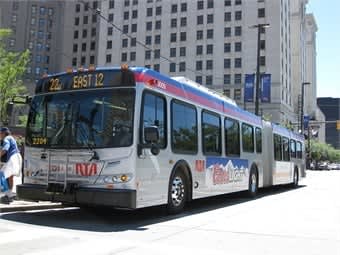
The Greater Cleveland Regional Transit Authority (RTA) released the results of a safety audit showing serious crimes on the RTA were down 59% for the first six months of 2018, compared with the same period for 2016.
“We wanted to report year-to-date numbers to RTA Trustees, so we looked at the first six months of each year in the audit, and the results are very encouraging,” said Joe Calabrese, RTA CEO/GM. “It’s clear that the hard work RTA Transit Police do to keep our 200,000 daily riders safe is paying off.”
The most dramatic decreases showed robberies down by 80% and thefts down by 51% for the reporting period.
RTA Transit Police Chief John P. Joyce says the dramatic decrease is the payoff for RTA’s investment in safety. “We now have more officers and more visibility. That’s a clear deterrent to would-be criminals,” he said. “We have working video cameras in every bus and train and on every platform, and we fully utilize that technology. If you commit a crime, we’re going to see you and we’re going to arrest you. That’s a strong deterrent.”
The most dramatic decreases showed robberies down by 80% and thefts down by 51% for the reporting period.
Lavonte Perez
The safety audit also indicates a decrease in many “quality of life” crimes — from bad behavior on buses and trains to misdemeanors. For example, disorderly conduct dropped 47% for the reporting period. But because RTA police have placed an increased emphasis on arresting people who are drunk, disorderly, and belligerent (categorized as aggravated disorderly conduct intoxicated or “Aggravated DCI”), that number has increased by 2,100% for the reporting period.
“No one can ever completely prevent people from committing crimes on public transit — that’s a challenge for all major transit systems,” said Chief Joyce. “But we have the people, the technology, the visibility, and excellent response time. We work to make riding RTA safe for all of our riders, every day. That’s our number one priority.”
The RTA Transit Police employ 136 full-time sworn police officers. It is the second largest law enforcement unit in Cuyahoga County and the sixth largest in Ohio. The Transit Police are State of Ohio certified Peace Officers under the auspices of the Ohio Peace Officer Training Act, and have jurisdiction over all of the GCRTA’s operations including bus, paratransit, light rail, heavy rail, and bus rapid transit throughout Cuyahoga County.
More Security and Safety

Transit Agencies Highlight Safety Gains at National Summit
Leaders from 15 major transit systems shared crime-reduction results and safety initiatives while discussing the role of continued federal support.
Read More →
DART Launches Major Security, Fare Enforcement Initiative
The 90-day demonstration will deploy coordinated security teams at five light rail stations while testing controlled access and gathering data to guide future investments.
Read More →
RTD Launches NextRide App to Consolidate Trip Planning, Fares, Security Reporting
The app expands on RTD’s existing NextRide web application and allows customers to view real-time vehicle locations and service alerts, purchase and store digital fares, and access customer support.
Read More →
TAPTCO Updates OSHA Compliance Training for Transit Maintenance Operations
The revamped program addresses 26 OSHA standards for maintenance facilities, with TAPTCO pointing to training, documentation, and everyday shop hazards as continuing challenges for transit operations.
Read More →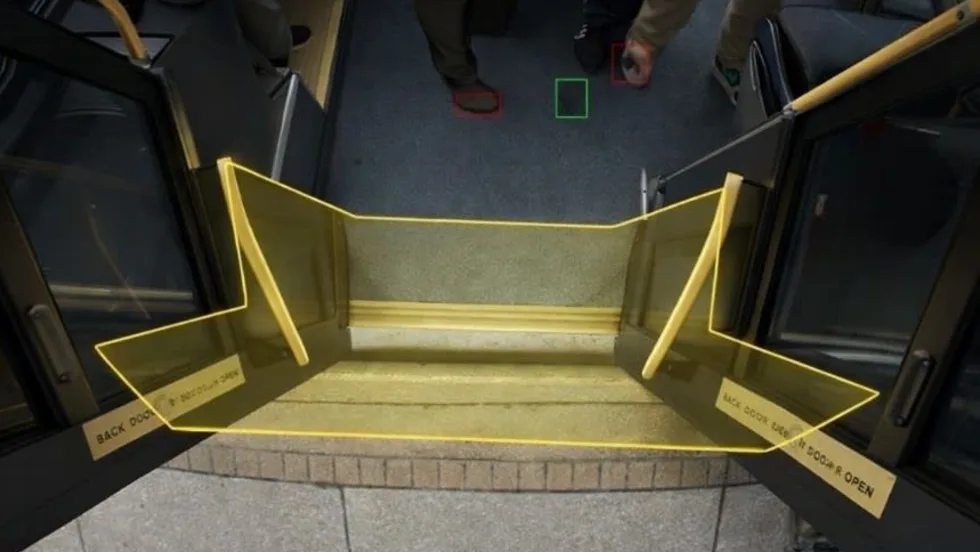
How VaporVision Adds Value to Transit Door Systems
Wabtec engineers explain how the system improves doorway detection, strengthens diagnostics and gives transit agencies and OEMs greater operating flexibility.
Read More →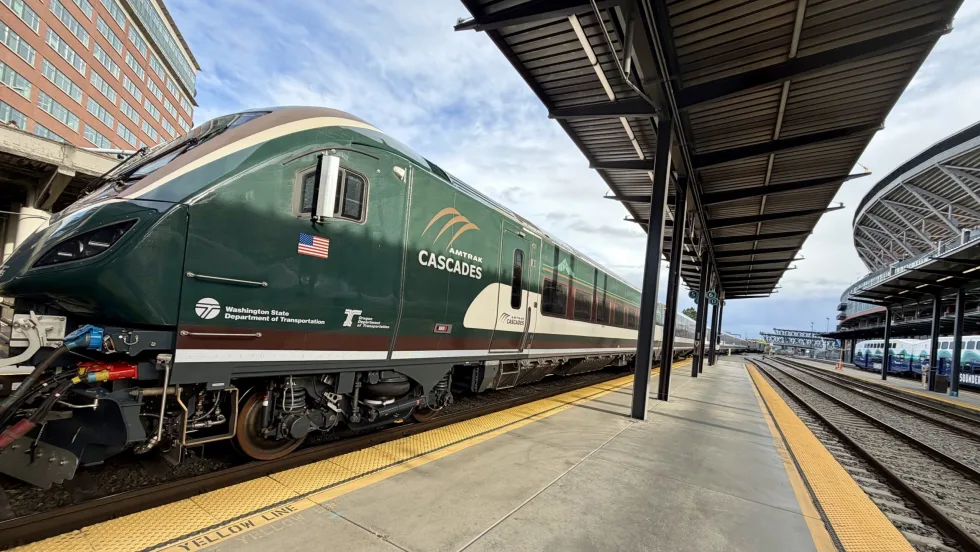
FRA Announces $5.3B in Rail Investments, Including $2B for Amtrak
Funding will support grade-crossing improvements, infrastructure upgrades, and new Amtrak equipment in 23 states.
Read More →
Chicago, Maryland Expand Non-Law-Enforcement Safety, Rider Support
The CTA and MTA are launching new programs aimed at de-escalation, crisis response, rider assistance, and greater transparency.
Read More →
LA Metro, City of West Hollywood, and Partners Advance Smarter Bus Lane Enforcement
The award-winning partnership combines AI-powered detection with human oversight to improve bus reliability, accessibility, and enforcement efficiency.
Read More →
LA Metro Reports 57% Decline in Homelessness on Transit System Since 2024
The agency's latest homelessness count offers new data on how care-based services and cross-sector partnerships can complement traditional transit security strategies.
Read More →
FTA Launches 'Transit Moves America' Dashboard to Highlight Agency Safety and Performance
The online dashboard transforms National Transit Database information into a public-facing resource that allows users to compare transit agencies on key operational and safety metrics.
Read More →