



Siemens to expand U.S. facility to meet HSR demand
The Sacramento facility, which employs more than 700 people and recently underwent a $26 million expansion, is the only permanent, light-rail vehicle manufacturing facility in the U.S.

In response to the federal government’s recent investment in high-speed rail, Siemens Mobility today announced it has taken steps to expand its U.S. manufacturing plant to meet future demand for the trains and rail infrastructure technologies required for the systems. Specific actions taken include the purchase of land for plant expansion and adding power supply from renewable energy sources.
“We applaud the Obama Administration’s commitment to building America’s high-speed-rail system. Siemens is ready to not only bring its proven high-speed-train technology to the U.S. market, but also to build the systems right here in the United States.” said Oliver Hauck, President of Siemens Mobility in the United States.
Siemens makes a line of trains that run up to 220 mph, which are currently operating in Germany, China, Russia and Spain. These trains are a match for the systems proposed for California and Florida. Siemens also produces a line of trains that go between 110 and 125 mph, which would fit the requirements of other high-speed-rail corridors, including the Midwest.
“We can also design and implement rail automation and electrification equipment to move high-speed-rail systems safely, efficiently and with as little impact on the environment as possible,” said Hauck.
To meet the future demand for high-speed-rail technology, Siemens recently completed the purchase of 20 acres of land adjacent to its existing 34-acre, light-rail vehicle manufacturing facility in Sacramento.
“This parcel will be the future manufacturing site for the high-speed trains for the United States. These trains will be built by Americans for the American market,” Hauck said.
The Siemens facility in Sacramento is the only permanent, light-rail vehicle manufacturing facility in the U.S. Siemens employs more than 700 people in this facility, which recently underwent a $26 million expansion. The company is also expanding its solar energy system, doubling the capacity from one megawatt to two full megawatts, which will meet nearly all of the factory’s current power needs and a portion of those required for the manufacture of high-speed trains.
Siemens is the market leader for light-rail-vehicle production in North America with half the market share for those currently being built. Additionally, Siemens manufactured one third of the cars currently in use in 13 cities, including Denver, Charlotte, San Diego and Portland. Siemens also announced last month that it would lead the consortium involved in the $321 million upgrade of the Port Authority of New York and New Jersey’s Trans-Hudson’s PATH train system.
More Rail

Biz Briefs: STV teams with Amtrak, Motorcoach Operators Boost Fleet and Land Contracts, and More
From manufacturers and suppliers to transit agencies and motorcoach operators, these updates offer a snapshot of the projects, partnerships and business moves driving the industry forward.
Read More →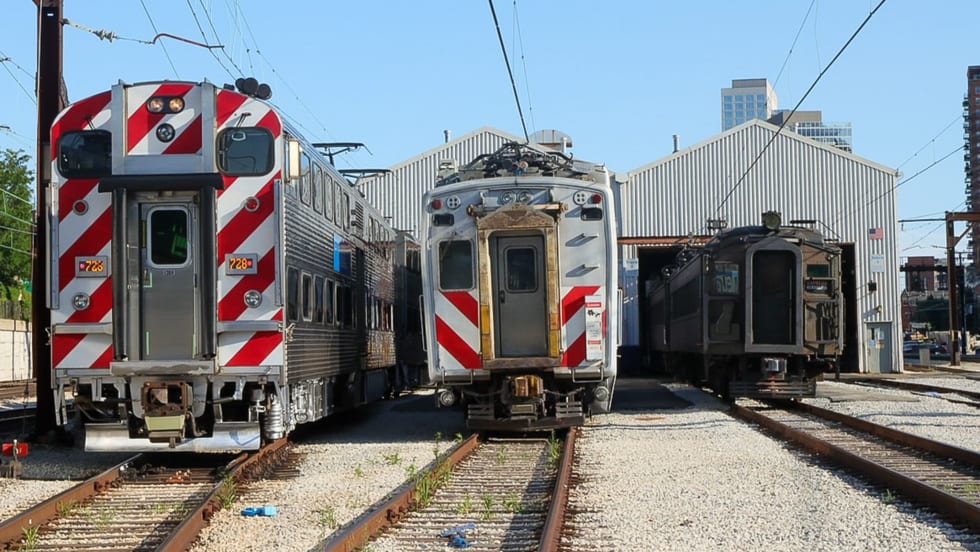
Metra Celebrates 100 Years of Electric Rail, Looks to the Future
The event was also a celebration of recent reforms to public transportation in the Chicago area, changes that could be as transformative in the future as the major civic achievement a century ago, said officials.
Read More →
LA Metro Marks Banner Year, Sets Ambitious Goals for New Fiscal Year
Incoming LA Metro Board Chair and Los Angeles Mayor Karen Bass joined outgoing Board Chair Fernando Dutra and LA Metro CEO Stephanie Wiggins to review accomplishments from fiscal year 2026, which included the opening of new rail extensions, advancement of major transit projects, expanded safety programs, and new rider amenities.
Read More →
DART Taps Nathaniel P. Ford Sr. as Next President/CEO
Since 2012, Ford has served as the CEO of the Jacksonville Transportation Authority
Read More →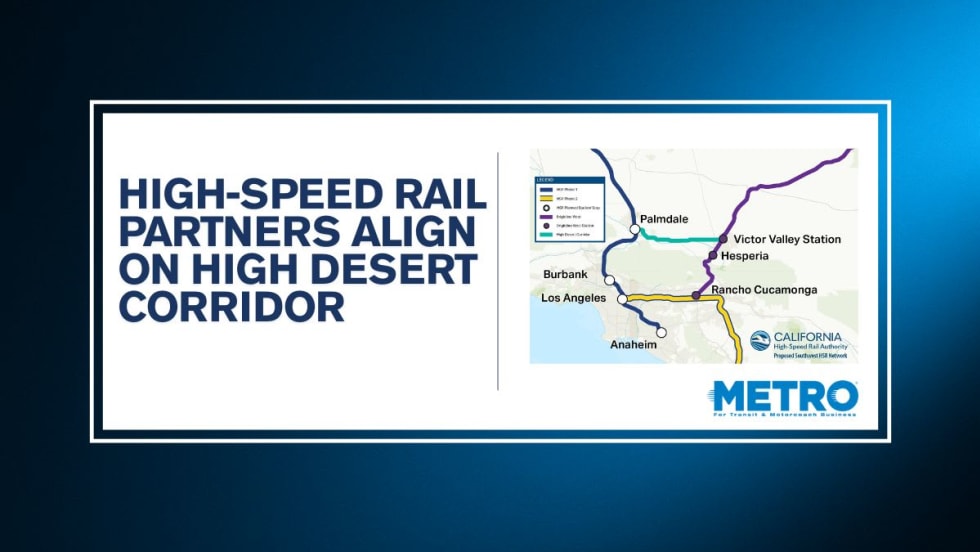
California High-Speed Rail Authority Signs MOU to Advance High Desert Corridor
The agreement deepens collaboration between the California High-Speed Rail Authority and the High Desert Corridor Joint Powers Agency, supporting design integration, cost savings, and faster delivery of a key Southern California rail link.
Read More →
Building the Next Generation of Transit Technology
In this edition of METROspectives, Luminator CEO Magnus Friberg discusses the company's transformation, the growing role of AI and software, and what's next for transit technology.
Read More →
How Data, Strategy, and Community Engagement Are Reshaping Transit
In this edition of METROspectives, strada360 CEO Steve Lassey discusses how transit agencies can better align planning with operations, leverage data to improve decision-making, and build public trust as they prepare for the future of mobility.
Read More →
TTC Launches Camera Pilot to Curb Illegal Passing of Streetcars
During the pilot, the cameras will measure how often illegal streetcar passing occurs and test the technology's reliability for future automated enforcement.
Read More →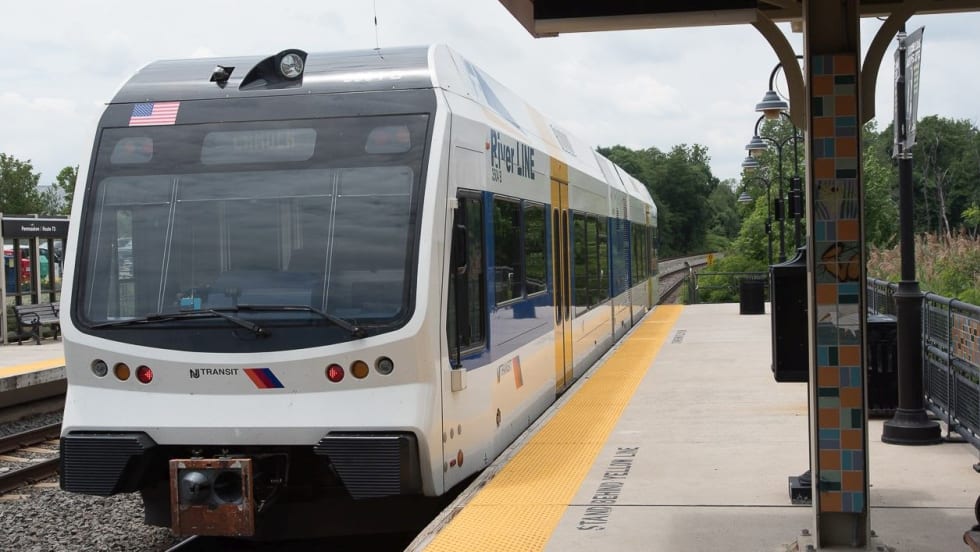
NJ TRANSIT Secures Capital Funding, Adopts FY2027 Budget
The budgets continue investments in infrastructure and equipment to maintain the system in a state of good repair and enhance the overall customer experience.
Read More →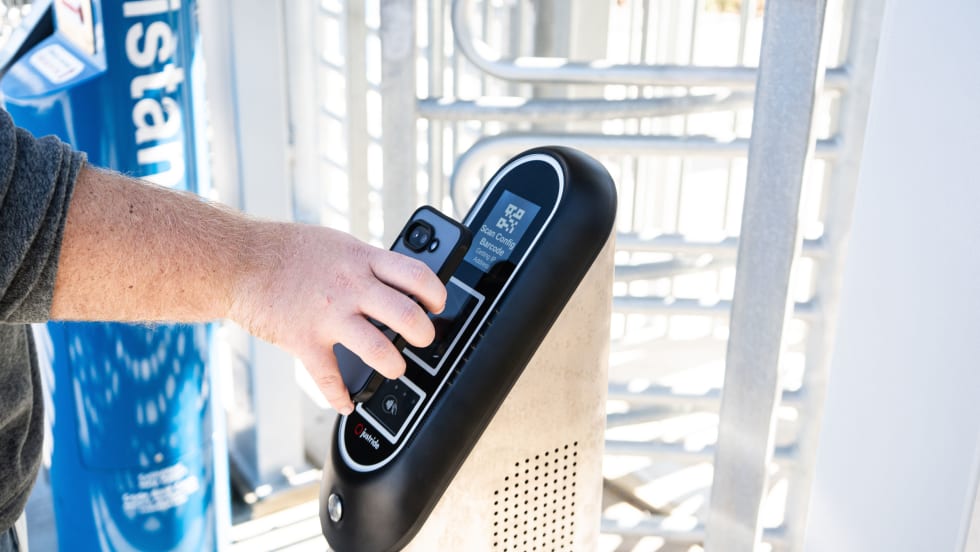
Biz Briefs: Masabi Teams with St. Louis Metro and More
In METRO's latest installment, we take a look at recent news from Transdev, Hitachi, and more partnerships making headlines across the transportation sector.
Read More →