



South America's first subway turns 101
Originally spanning 2.1 miles, the first rail cars took Porteños between Plaza de Mayo and Plaza Miserere along a single line. Today, Subte has 83 stations along six different lines and an annual ridership of 310 million.

BUENOS AIRES — South America's first subway system turned 101 years old this week. The Buenos Aires subway system, known as Subte, debuted December 1, 1913. Originally spanning 2.1 miles, the first rail cars took Porteños between Plaza de Mayo and Plaza Miserere along a single line. Today, Subte has 83 stations along six different lines and an annual ridership of 310 million, CityLab reported.
PHOTO GALLERY:Buenos Aires 'Subte' subway system
Many of those very same first trains, Belgian-made "La Brugeoise" cars, stayed in service until mid-January 2013, replaced with modern subway cars and just missing out on a full 100 years of service, according to the report.
RELATED:Pope rides bus instead of papal limousine
Two of the 78 cars were restored and put on display at Plaza de Mayo to commemorate Subte's centenary but the rest of the La Brugeoise cars sat exposed outside a rail yard until last March resulting in damage from vandalism.
For the full story, click here.
More Management
Castro to Lead RTC of Southern Nevada and More in People Movement
In this edition, we also cover recent appointments and announcements at the STV, MCI, and more, showcasing the individuals helping to shape the future of transportation.
Read More →
STraffic Expands North American Presence with Fare Collection Technology
John Moon, Associate Director, Product Strategy at STraffic, discusses the company's growth in North America, its efforts to reduce fare evasion, and more.
Read More →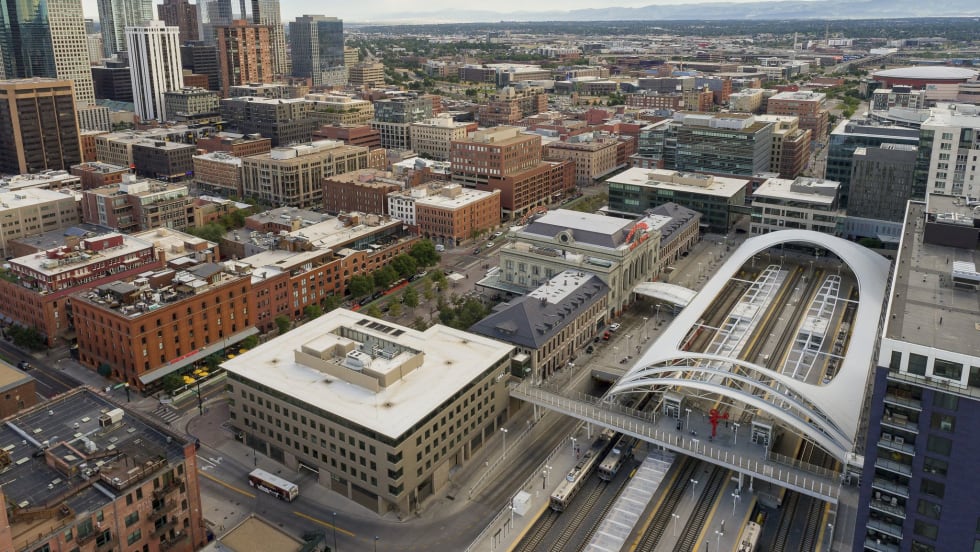
Study: Denver RTD Generates $2.1 Billion in Annual Economic Activity
An economic impact study finds the agency supports approximately 17,500 jobs, delivers $1.6 billion in annual community and mobility benefits, and generates $2.42 in economic value for every dollar invested.
Read More →
Mark Aesch Nominated to Lead Federal Transit Administration
The former Rochester transit chief and TransPro founder, who has also contributed to METRO Magazine, brings decades of industry experience and a focus on performance, accountability, and financial sustainability to the nomination.
Read More →
Best and Worst U.S. Cities for Public Transportation in 2026
A new analysis of 50 major U.S. urban areas ranks public transit systems based on accessibility, affordability, usefulness, and safety, highlighting where transit performs best and where challenges remain.
Read More →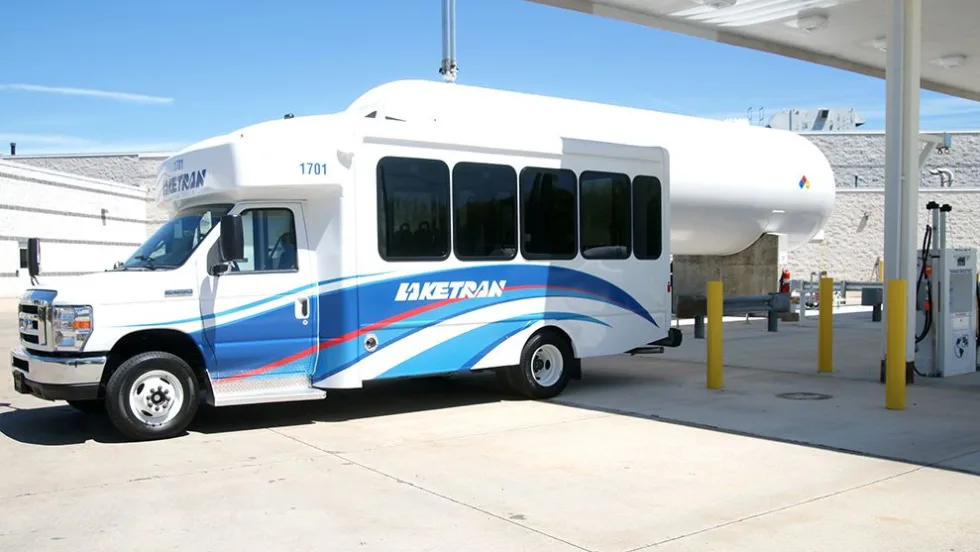
Laketran Cuts Fuel Costs, Boosts Efficiency with Propane-Powered Fleet
The Ohio transit agency is using propane-powered vehicles and on-site fueling infrastructure to cut fuel and maintenance costs while meeting growing demand for paratransit services.
Read More →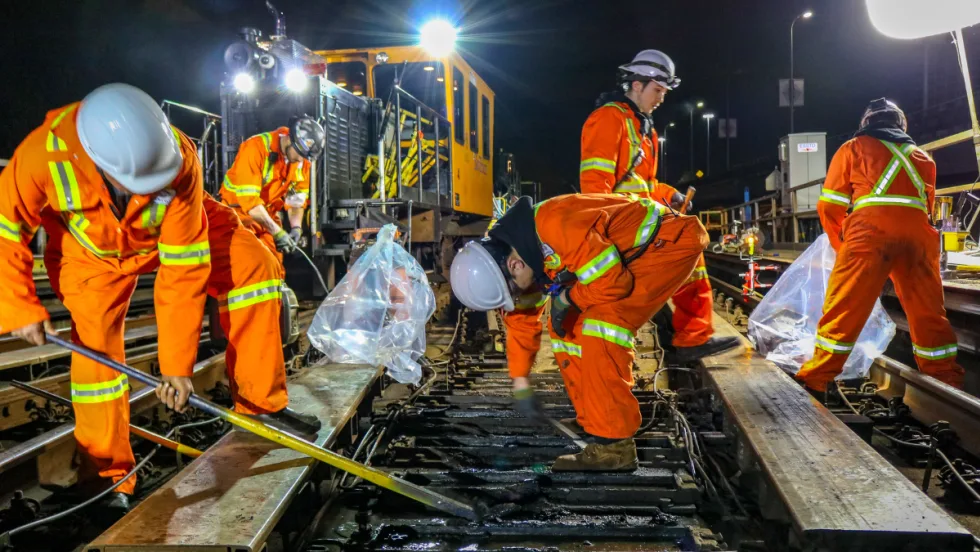
Canada’s Public Transit Supports $65.6 Billion in Annual GDP
New research from the Canadian Chamber of Commerce examines transit's economic contributions, including job creation and the financial implications of transportation investment.
Read More →
Pierce Transit Moves to Expand Fleet Following Proposition 1 Approval
The agency authorized the purchase or refurbishment of up to 60 buses to support a 47% service expansion, as voters nationwide approved billions in new transit funding.
Read More →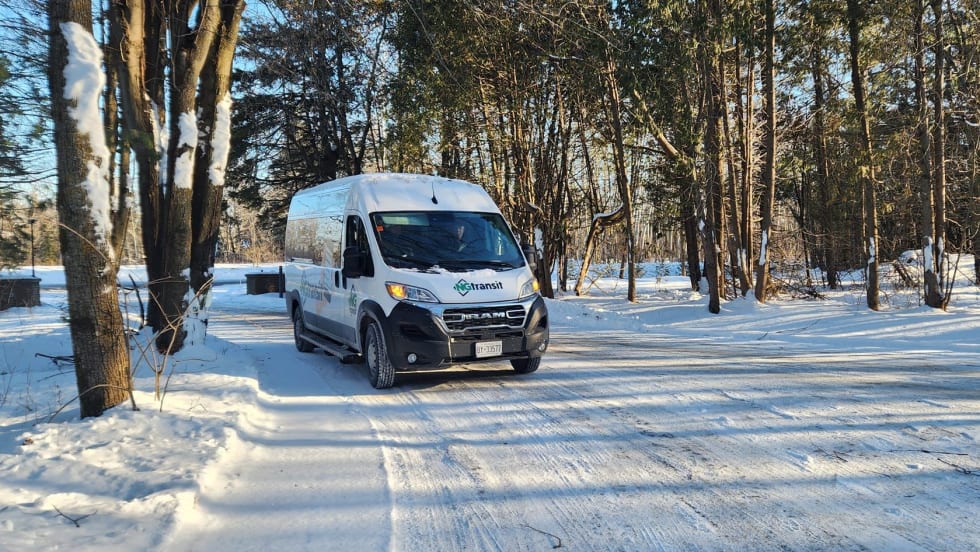
Right-Sizing Rural Transit: Lessons from North Grenville’s On-Demand Model
A small municipality shows how flexible service, rider needs, and public accountability can expand mobility with limited resources.
Read More →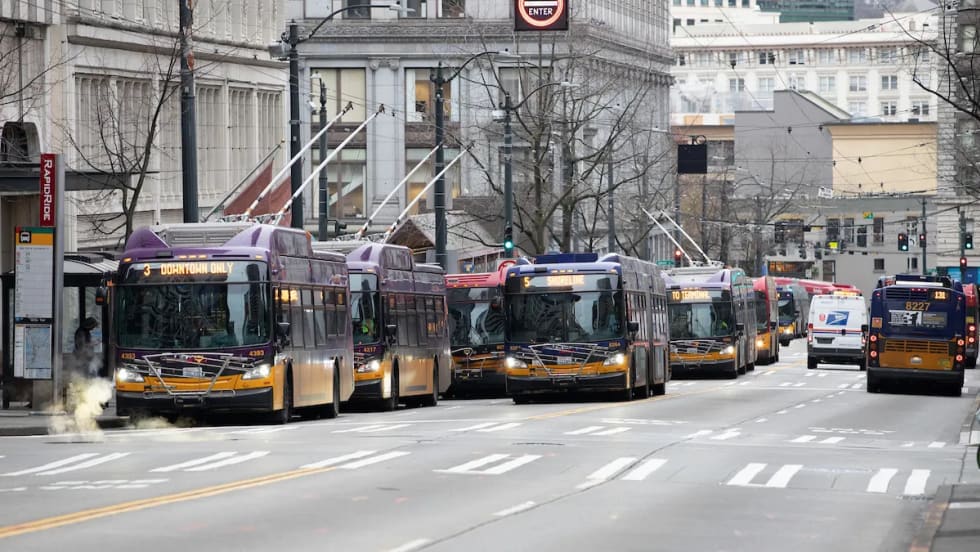
Transit Ballot Victories Signal Strong Voter Support: What Comes Next?
Voters approved billions in public transportation investments in 2026, giving agencies opportunities to preserve service, expand operations, and strengthen regional connections amid a changing political landscape.
Read More →