



Streetcars: The Transit System America Threw Away
D.C.'s Dupont Circle’s ghostly streetcar station is another reminder that America once had an extensive and efficient interurban transit system. Now, as cities from Buffalo to San Diego look to light rail, it’s worth thinking about the astonishing transit system we built and then threw away.

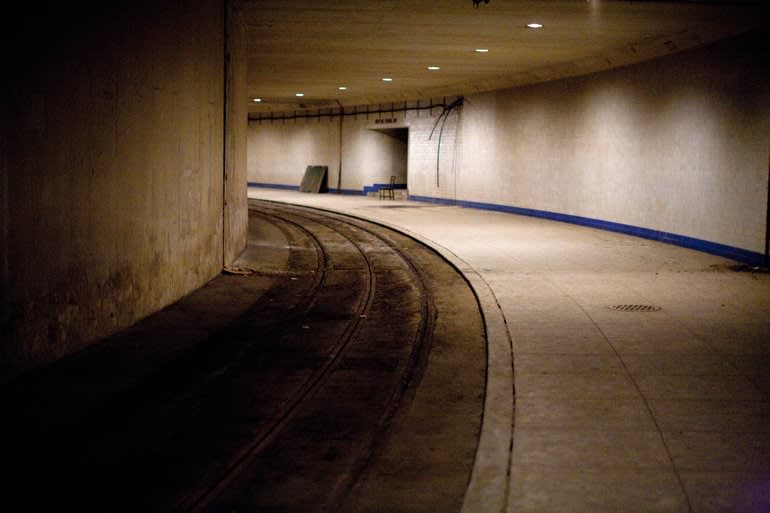
Dupont Circle Station in D.C. David Kidd/Governing

Dupont Circle Station in D.C. David Kidd/Governing
(By John Martin - This story was originally posted by Governing)
In the 1951 sci-fi movie "The Day the Earth Stood Still," pedestrians are seen descending staircases on the edge of Dupont Circle in Washington, D.C. These days, the stairs are still there, but now they’re blocked off. They led to a once-busy 75,000-square-foot below-ground streetcar station built in 1949. The station has been closed since 1962.
Dupont Circle’s ghostly streetcar station is another reminder that America once had an extensive and efficient interurban transit system. Now, as cities from Buffalo to San Diego look to light rail — today’s iteration of the streetcar, which itself evolved from the horse-drawn omnibus — it’s worth thinking about the astonishing transit system we built and then threw away.
RELATED:Light rail vehicle market to reach $11 billion by 2020
A century ago, there were nearly 34,000 miles of streetcar tracks connecting neighborhoods to downtowns, and towns to neighboring towns. (I’ve been told that it was possible to travel from Pittsburgh to Philadelphia on local streetcars and trolleys, although that would have been one long and unpleasant trip.)
Overwhelmingly, those tracks were built by private investors. In the late 19th and early 20th century, it was streetcars, not automobiles, that created the first suburbs.
If you live in an urban area, the evidence is all around you. I live in D.C., not far off Connecticut Avenue, which is broad and gently graded because of the streetcars that once ran along it. The Chevy Chase Land Co. built Connecticut Avenue across miles of farmland to take people from the suburb that still bears the company’s name to downtown D.C., eventually linking up to that now-deserted Dupont Circle station.
Connecticut Avenue’s streetcar tracks are long gone, but down in Georgetown, you can take a bumpy car ride along blocks of cobblestoned side streets where trolley rails remain in place.
Upriver from Georgetown, broad, parklike medians run through the affluent Palisades neighborhood, reminding residents of the trolleys that once rattled past their houses. Here and there, abandoned steel trestles rust away.
You don’t have to be an archaeologist to unearth bits of the transportation system that carried so many of our ancestors around. Some parts of it are still in use: Automobiles now zip under Manhattan’s Park Avenue via the Murray Hill Tunnel, which was built for streetcars. And vestiges of some of America’s original streetcar systems remain in daily operation, most notably in New Orleans and San Francisco.
San Francisco’s cable cars operate mainly for the pleasure of tourists. I rode on one of the successors to the cable cars, the hybrid light rail/streetcar system known as Muni Metro, just after it went into service in 1982. A couple of decades later, I rode it again, and those once-shiny cars were showing some age with dents and graffiti. That’s natural; things fall apart. Which leads me to wonder: Will there come a time when our descendants stumble across the abandoned remnants of the light rail lines that we’re so busy building today?
After the Great Depression, streetcars began a slow decline, falling victim to the automobile. But trolleys and streetcars weren’t a failure. They lasted from the early 1800s into the 1960s. It’ll be a long time before we’ll know if the light rail we’re building now can match a record like that.
More Management
The Business Voice Behind Public Transportation
As chair of APTA’s Business Members Board of Governors, Ray Melleady explains how more than 850 business members are partnering with transit agencies to advance funding, innovation, and industry-wide collaboration.
Read More →
New York’s CDTA Service Rebalancing Boosts Productivity, On-Time Performance
Despite a slight dip in ridership, the agency’s FY2026 results show its service rebalancing strategy is helping the agency carry more riders per service hour while improving reliability.
Read More →
People Movement: ABC Names John Walsh as Chief Commercial Officer
In this edition, METRO also covers recent appointments and announcements at the DART, STV, and more, showcasing the individuals helping to shape the future of transportation.
Read More →
From Surviving to Thriving: Building Stronger Transportation Organizations
Bus Business Consultants founder Brian Dickson shares lessons on leadership, organizational health, and creating options for long-term success in a changing transportation industry.
Read More →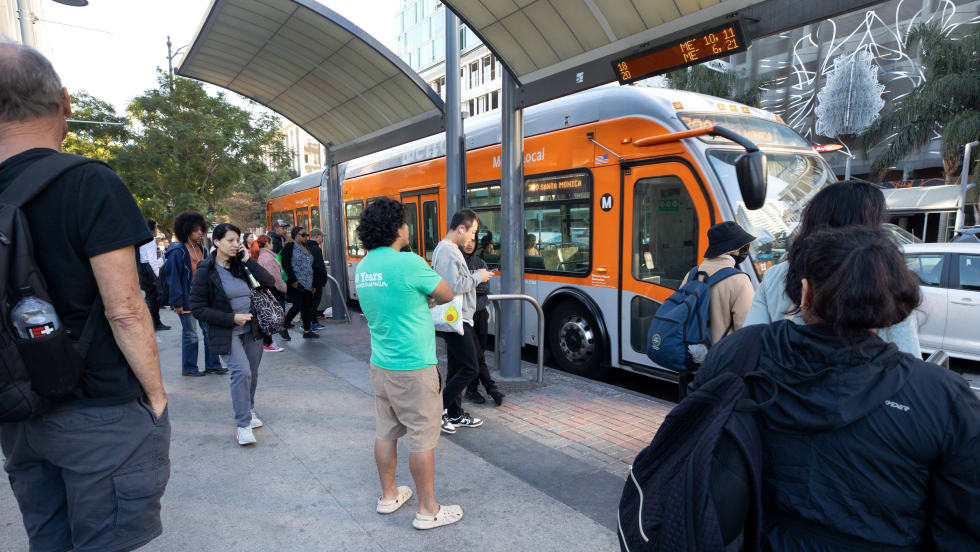
LA Metro Ridership Continues Growth as Rail Gains Accelerate
New rail connections and major events help drive continued ridership gains, with Metro recording its eighth consecutive month of year-over-year rail growth.
Read More →
TransDASH Summit Focuses on Measuring What Matters in Transit
Transit agencies unveil a national performance platform designed to benchmark customer experience, safety, community value, and other outcomes.
Read More →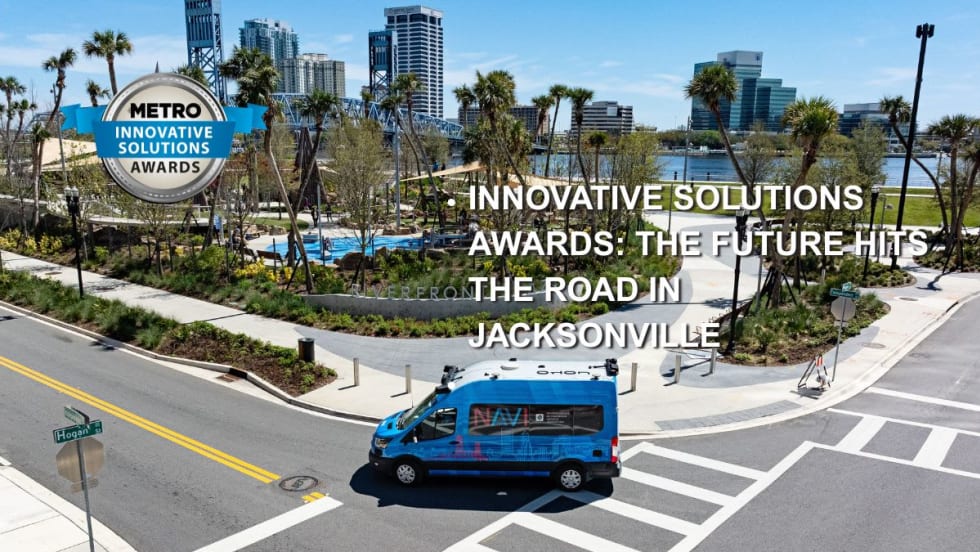
Jacksonville’s NAVI Project Charts a New Course for Autonomous Public Transportation
Through its NAVI program, JTA is showing how autonomous vehicles, intelligent infrastructure, and coordinated operations can work together to deliver everyday public transportation.
Read More →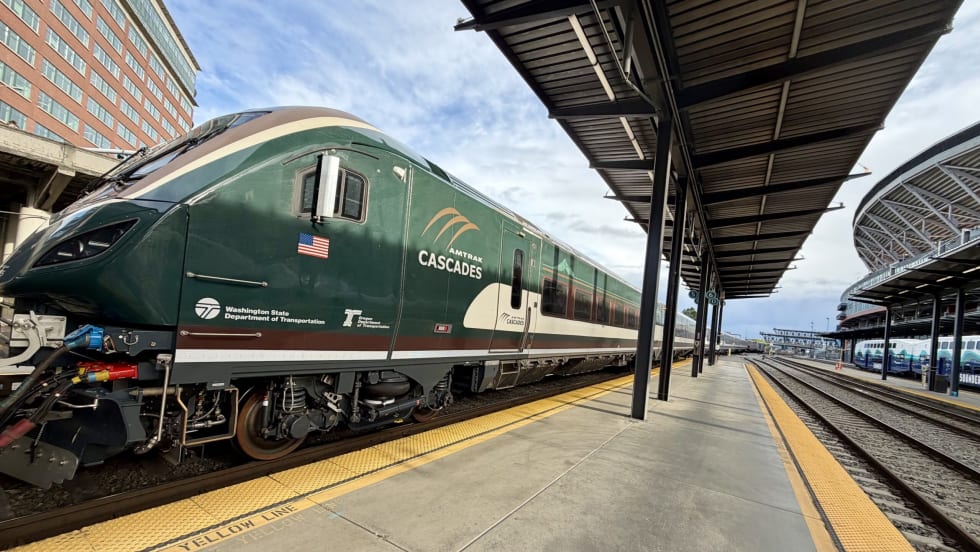
FRA Announces $5.3B in Rail Investments, Including $2B for Amtrak
Funding will support grade-crossing improvements, infrastructure upgrades, and new Amtrak equipment in 23 states.
Read More →
Finding the ‘Happy Medium’: Optimizing Maintenance Without Sacrificing Reliability
The key to maintenance optimization isn’t doing less work—it’s doing the right work at the right time on the right assets.
Read More →
People Movement: MARTA Drops Interim Tag on GM/CEO Hunt and More
In this edition, METRO covers recent appointments and announcements at the FMCSA, HDR, SilverRide, and more, showcasing the individuals helping to shape the future of transportation.
Read More →