



Therese McMillan named chief planning officer for L.A. Metro
During her years as acting FTA adminstrator, McMillan has led reform in transit safety, capital planning and oversight, civil rights, Disadvantaged Business Enterprise programs and efforts related to the Americans with Disabilities Act.



The Los Angeles County Metropolitan Transportation Authority (Metro) named current Acting Administrator of the Federal Transit Administration (FTA) Therese McMillan as its new chief planning officer.
McMillan currently manages a staff of over 500 at the U.S. Department of Transportation, including staff in Washington D.C. and 10 regional offices. She provides executive direction for all functions within the FTA and oversees an annual budget of more than $10 billion in federal formula and competitive grant funds for nearly 1,000 transit agencies and state DOTs across the country. McMillan joined the FTA staff in 2009 as Deputy Administrator.
“We are looking forward to having Therese join the Metro team and return to her hometown where she will provide great value as we position LA County for its transportation renaissance,” said Metro CEO Phillip Washington. “She is a leader in transportation policy, a community and coalition builder, and knows how to translate strategic planning into implementation.”
During her years at FTA, McMillan has led reform in transit safety, capital planning and oversight, civil rights, Disadvantaged Business Enterprise programs and efforts related to the Americans with Disabilities Act.
“As the FTA Acting Administrator, Therese McMillan was a tremendous collaborator with the public transportation industry and an effective advocate for public transit in the Obama Administration,” said Valarie J. McCall, APTA Chair and board member of the Greater Cleveland Regional Transit Authority, upon hearing the news that McMillan would be leaving the FTA. “Proof of her effectiveness are the budget levels for public transportation that were in the Administration’s Grow America proposals, President Obama’s 2017 budget submission, and the recently passed FAST Act.”

Before her career at FTA, McMillan was Deputy Executive Director of Policy at the Metropolitan Transportation Commission serving 7.5 million people in the nine-county San Francisco Bay Area. During that period, she was an instructor in transportation funding and finance at the Mineta Transportation Institute at San Jose State University.
“I am thrilled to join the LA Metro team and to return home to LA County,” said McMillan. “I look forward to helping the people of Los Angeles County travel and thrive in this dynamic region.”
Among her professional accomplishments are serving as an Advisory Board Member for the UCLA Institute of Transportation Studies and serving as President of the Women’s Transportation Seminar (WTS) of San Francisco in 1989 and 1990. She was also awarded Member of the Year and Woman of the Year in the WTS San Francisco Chapter, and Woman of the Year for the WTS chapters of Los Angeles and Washington, D.C.
McMillan was awarded the UC Berkley College of Environmental Design Distinguished Alumna Award in 2011, and has also served on several committees of the Transportation Research Board.
McMillan succeeds for planning chief Martha Welborne.
More Management

Amtrak Board Advances Plan to Restructure Organization, Seeks Public Input
The proposal, developed by Amtrak management and approved by the board for further consideration, is intended to modernize the organization's structure while improving accountability, operational efficiency, and customer service.
Read More →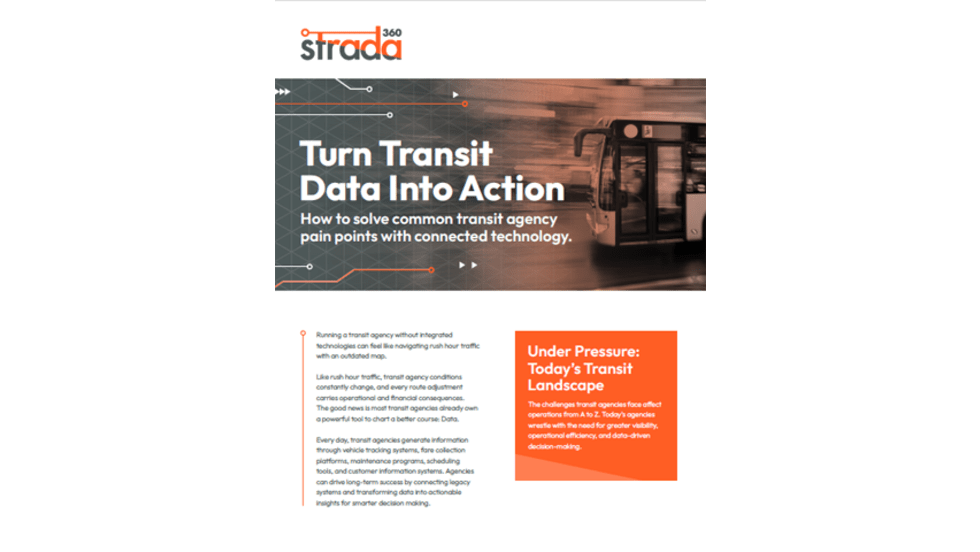
Turn Transit Data Into Action
Discover how leading agencies are using connected technology to gain real-time visibility across operations, improve service reliability, and reduce disruptions.
Read More →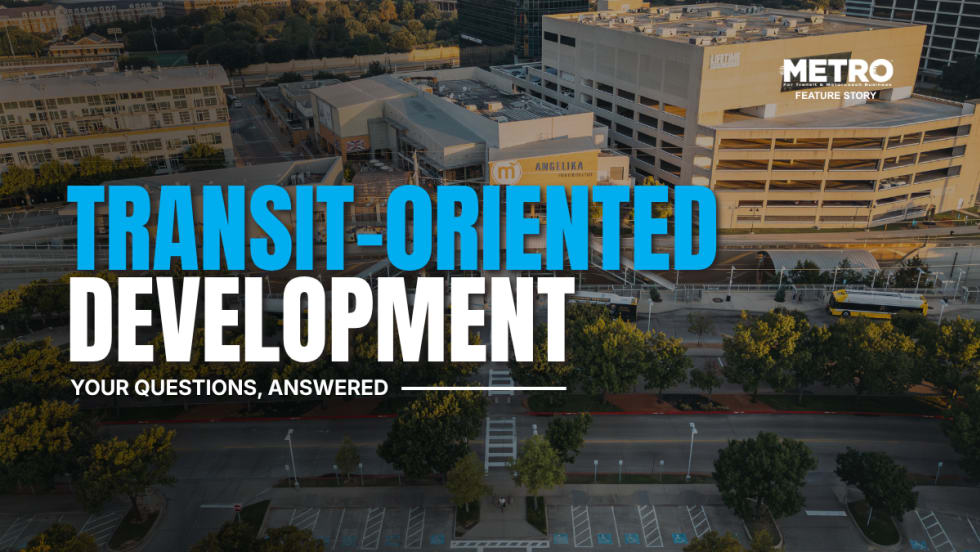
What Transit-Oriented Development Means for the Future of Public Transportation
Once viewed primarily as transit operators, agencies are now leveraging land, partnerships, and long-term planning to boost ridership, expand housing, and strengthen communities.
Read More →
USDOT Announces $22 Million for Transit Innovation, Updates High-Speed Rail Rules
New federal transit funding will support safety, accessibility, and technology projects as updated rail regulations establish new noise standards for high-speed trains.
Read More →
Transportation Construction Coalition Unveils Infrastructure Case Studies Ahead of Federal Funding Deadline
The coalition noted the next surface transportation bill should provide sustained investment in highways and public transit to strengthen freight movement, improve safety, and support economic growth.
Read More →
People Movement: American Bus Association Extends Ferguson and More
METRO’s People Movement highlights the latest leadership changes, promotions, and personnel news across the public transit, motorcoach, and people mobility sectors.
Read More →
METRO Magazine Announces 2026 Innovative Solutions Awards Winners
Projects Recognized for Advancing Mobility Through Technology, Accessibility, Workforce Innovation, and Operational Excellence
Read More →
MBTA Rolls Out Pilot Programs to Cut Costs, Simplify Travel
Three new fare pilots — including unlimited two-hour transfers, reduced express bus fares, and free transit for eligible seniors — will launch this fall as Massachusetts extends popular commuter rail discounts through November.
Read More →
FTA Opens $610 Million Funding Opportunity for Bus Infrastructure Projects
The latest Notice of Funding Opportunity provides transit agencies with funding for bus facilities, fleet modernization, and low- and no-emission vehicles, with applications due September 21.
Read More →
Biz Briefs: STV teams with Amtrak, Motorcoach Operators Boost Fleet and Land Contracts, and More
From manufacturers and suppliers to transit agencies and motorcoach operators, these updates offer a snapshot of the projects, partnerships and business moves driving the industry forward.
Read More →