



Toronto's '25 Budget Freezes Fares, Increases Frequencies, Safety
The $2.8-billion combined operating budgets for both the TTC conventional system and Wheel-Trans represent a 6.5% increase over the approved 2024 budgets and ensures safe, reliable, and affordable service for TTC customers.

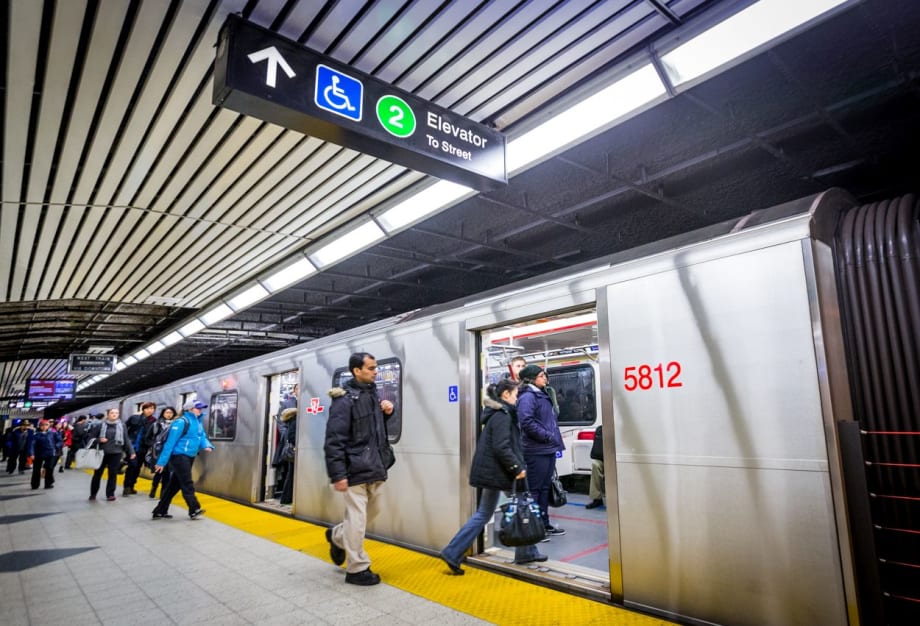
The TTC's recommended 2025-2034 Capital Budget and Plan of $16.395 billion is $5.1 billion higher than last year's Capital Budget and, represents the largest funding increase since 2019.
Photo: TTC
The Toronto Transit Commission (TTC) board approved its 2025 operating and capital budgets that freezes fares for the second straight year, adds the most service in a decade, improves system safety and cleanliness, and invests more than $16 billion in long-term capital projects.
The $2.8-billion combined operating budgets for both the TTC conventional system and Wheel-Trans represent a 6.5% increase over the approved 2024 budgets and ensures safe, reliable, and affordable service for TTC customers.
2025 TTC Budget Highlights
Highlights of the 2025 budget:
Freezes TTC fares at 2023 prices.
Allocates $33 million to preserve and build on service increases made in 2024 and address rising demand on weekends and evenings, as well as challenges posed by road congestion. The overall increased service hours will match pre-pandemic levels.
Increases Wheel-Trans funding by $14.2 million to meet the rising demand.
Establishes a pilot project on 11 routes across the city to reduce bunching and gapping of vehicles in real-time through enhanced on-street route management.
Funds operating and maintenance costs for the opening of Lines 5 and 6 in 2025 as well as full-year operations on the Line 3 SRT bus replacement service.
Creates a new subway stations management pilot program to add more staff and improve cleanliness at six priority locations (Scarborough Town Centre bus terminal, and Kennedy, Dundas, Finch, Spadina, and Lansdowne stations).
"I want to thank our Board and Mayor Chow for supporting considerable investments in our operations and long-term projects," said TTC CEO Greg Percy. "Bringing more customers to the TTC requires a system that is safe, reliable, and affordable, and these budgets accomplish that."
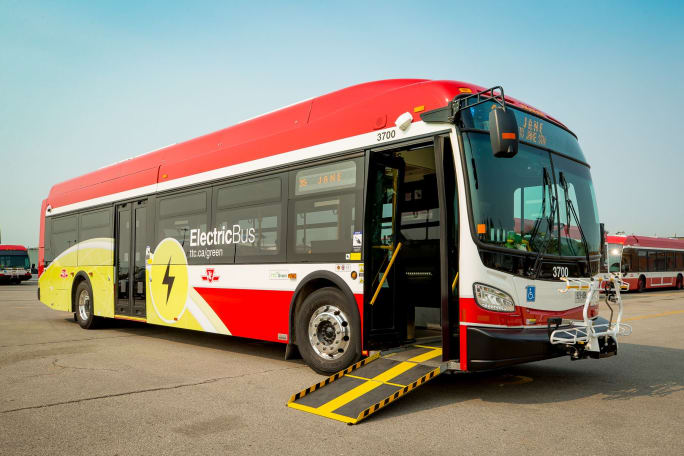
The additional investments reduce the TTC's SOGR funding backlog by almost 50% from $8.2 billion by 2033 to a projected $4.3 billion over the next 10 years.
Photo: TTC
Budget Increase
The recommended 2025-2034 Capital Budget and Plan of $16.395 billion is $5.1 billion higher than last year's Capital Budget and, represents the largest funding increase since 2019.
Almost $4.9 billion of the increase is dedicated to crucial unfunded state-of-good-repair (SOGR) work, such as track safety and reduced speed zones and projects to make all stations accessible.
The additional investments reduce the TTC's SOGR funding backlog by almost 50% from $8.2 billion by 2033 to a projected $4.3 billion over the next 10 years.
Highlights include:
55 replacement subway trains on Line 2 with the recently announced $1.5 billion matching Federal and Provincial funding ($2.3 billion total project cost).
Investments in approximately 700 eBuses and 950 charging systems totaling $1.2 billion over the next five years, with a total project cost of approximately $2.4 billion.
Bus, Streetcar, and Subway fleet overhaul programs directly resulting from the $500 million funding provided through the city’s reallocation of the Gardiner/DVP funding.
Targeted station/transit priority investments of $15 million over 2025 and 2026 to improve station conditions and aesthetics; to pilot a public address system upgrade and station lighting LED retrofit at six key stations and install red paint treatment on existing city roads, intersections and TTC stations to improve transit priority and safety and support fare compliance at station entrances.
More Management

METRO Opens Submissions for 2026 Motorcoach Awards
Nominations are now being accepted for METRO Magazine’s Operator of the Year and Innovative Operator of the Year awards.
Read More →
New York MTA Advances Final Contract for Second Avenue Subway Expansion
Contract Four is the largest in the Second Avenue Subway Phase 2 project and includes construction of station infrastructure, tracks, and signals for the subway expansion, MTA officials said. Work on Contract Four will begin in 2027.
Read More →
Transit Agencies Highlight Safety Gains at National Summit
Leaders from 15 major transit systems shared crime-reduction results and safety initiatives while discussing the role of continued federal support.
Read More →

NITA Names New Leadership, Expands Reduced-Fare Program at First Board Meeting
The new regional transit authority appointed its first board chair and interim executive director while extending reduced fares across CTA, Metra, and Pace for eligible riders.
Read More →
Beyond the Checklist: A Structured Approach to Transit Maintenance
Reliability-Centered Maintenance helps transit agencies move beyond routine checklists to focus limited resources on the assets and failures that have the greatest impact on safety, reliability, and service.
Read More →
APTA 2026 Nominating Committee Selects Leadership Slate, Names Chair and Vice Chair Nominees
Leadership changes will help shape the association’s priorities and its representation of the transportation industry during the 2026–2027 term.
Read More →
DART Launches Major Security, Fare Enforcement Initiative
The 90-day demonstration will deploy coordinated security teams at five light rail stations while testing controlled access and gathering data to guide future investments.
Read More →
Advancing Fare Collection Through Technology and Innovation
Learn about delivering 1300 gates at 91 stations while managing fare evasion. Explore the large scale deployment, solution customization and real-world results that affect the region. Prepare for deployment in your region now.
Read More →
Game Day in Motion: Moving Millions During the 2026 World Cup
Between packed transit stations and team motorcoaches, see how agencies and operators across North America tackled the transportation demands of the 2026 FIFA World Cup.
Read More →
Surface Transportation Extension Averts Shutdown, Leaves Transit Funding Gap
The stopgap keeps federal transportation programs moving, but missing advance funding could complicate the transit and rail projects agencies are planning next.
Read More →