



Toronto Introduces Anti-Racism Strategy
Shaped by feedback and guidance of members of Black, Indigenous, and racialized communities, the strategy aims to eradicate systemic barriers faced by customers and the broader community that stem from racism and racial discrimination.

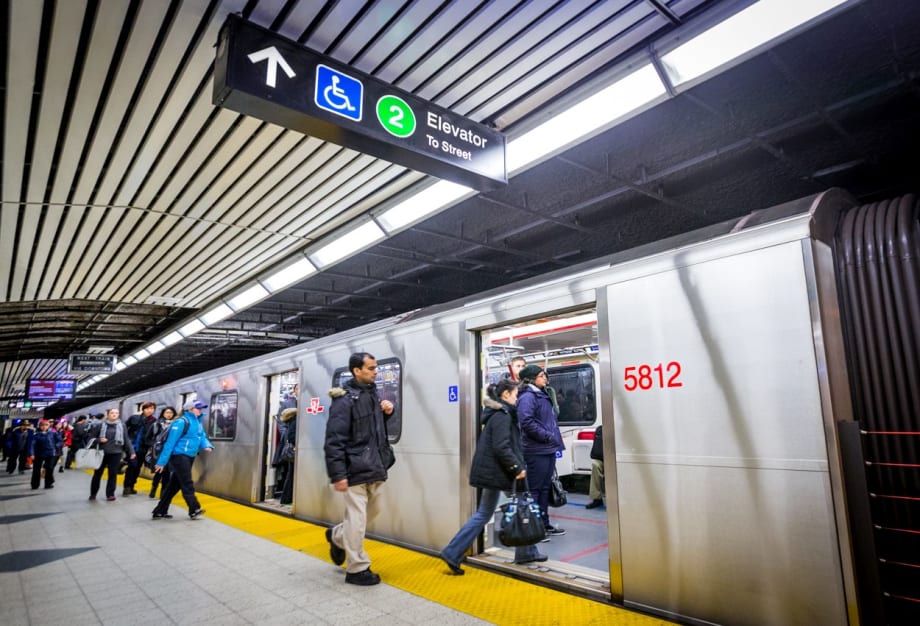
In line with its commitment to transparency and accountability, the TTC will publish an annual measurement report to track progress on the objectives and outcomes of the Anti-Racism Strategy.
Photo: TTC
The Toronto Transit Commission (TTC) is taking significant new steps to address systemic racism within the transit system.
At its June meeting, the TTC board made a landmark decision by adopting the TTC Anti-Racism Strategy, demonstrating a commitment to dismantling barriers and promoting inclusivity.
“Since the introduction of the TTC’s 10-Point Action Plan on Diversity and Inclusion in 2020, we have made great progress in creating a TTC that is more welcoming and inclusive for our customers and employees,” said TTC CEO Rick Leary. “With tremendous support from the TTC board, we are now moving forward with our Anti-Racism Strategy which is a critical step toward ensuring everyone who works at or rides the TTC can do so without fear of racist, discriminatory, or hateful acts. This is something we are all firmly committed to.”
TTC’s Anti-Racism Strategy
At its June meeting, the TTC board approved the TTC’s first system-wide Anti-Racism Strategy — a critical step toward the transit agency’s goal of dismantling systemic racism and building an inclusive transit system.
Shaped by feedback and guidance of members of Black, Indigenous, and racialized communities, the strategy aims to eradicate systemic barriers faced by customers and the broader community that stem from racism and racial discrimination.
They also aim to prevent racial bias and racial profiling and enhance the TTC’s system-wide anti-racism approach.
There are seven strategic objectives and actions:
Adopt and implement a new Anti-Racism Policy across the TTC.
Review and develop TTC policies through anti-racism analysis.
Expand collaborative opportunities for anti-racism engagement and consultation.
Build anti-racism accountability and transparency.
Use disaggregated race-based data to inform decisionmaking.
Embed anti-racism into people management.
Build anti-racism awareness, understanding, and competencies through knowledge-sharing and training.
TTC’s Transparency
In line with its commitment to transparency and accountability, the TTC will publish an annual measurement report to track progress on the objectives and outcomes of the Anti-Racism Strategy.
The report will provide stakeholders with a clear view of the TTC’s efforts to advance anti-racism initiatives and address systemic issues.
The Anti-Racism Strategy will undergo regular reviews every five years, informed by recommendations from an Anti-Racism Strategy Review Task Force. This iterative process ensures that the TTC remains responsive to the evolving needs and challenges related to racism and discrimination within the transit system.
More Management

New York MTA Warns Federal Tariffs Could Add $1 Billion to Rolling Stock Costs
The agency said tariffs on specialized imported components could reduce the purchasing power of its $23 billion investment in new subway cars, railcars, and buses.
Read More →
From the Show Floor: What’s Happening at APTA TRANSform & EXPO 2026
Follow the latest product launches, partnerships, technology updates, and transit industry announcements coming out of APTA TRANSform & EXPO in Chicago.
Read More →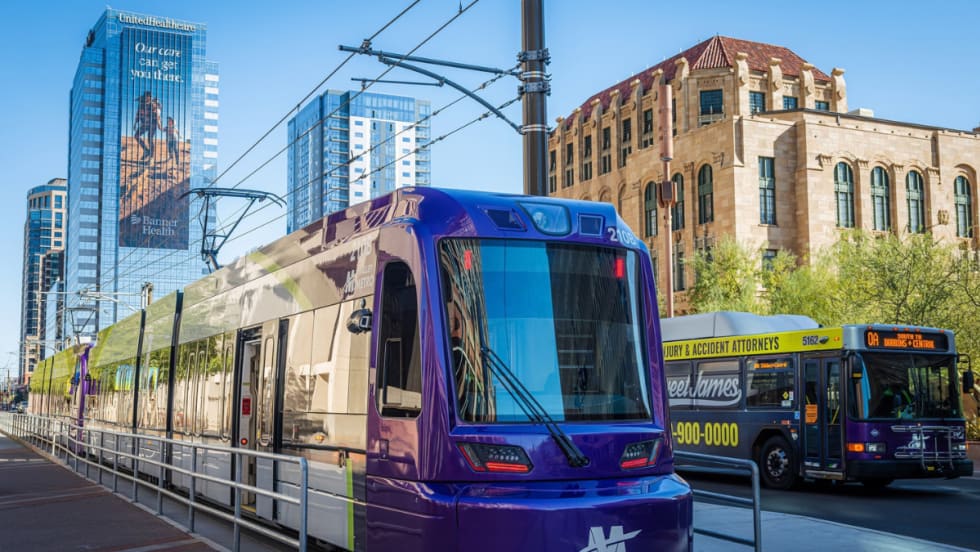
How Valley Metro Is Balancing Transit Growth With the Rider Experience
The APTA award-winning agency is pairing rapid system expansion with investments in workforce, safety, technology, and the fundamentals of transit service.
Read More →
Bus Tech Talk: Keeping Transit Technicians Ahead of the Technology Curve
In this episode of Bus Tech Talk, Complete Coach Works’ Business Development Manager Mark Hollenbeck and METRO’s Executive Editor Alex Roman sit down with Obed Mejia, Senior Technical Trainer for Bus Maintenance, at LA Metro to discuss how rapidly evolving bus technology is changing the maintenance shop — and the skills technicians need to keep pace.
Read More →
Michael Schneider Joins Paslay Group to Expand Transportation Practice
The longtime transportation executive will help Paslay Group grow its advisory and program management work across transit, highway, and other infrastructure sectors.
Read More →
People Movement: Connectpoint Expands Leadership Team, Stadler Names New Group CEO, and More
In this edition, we also spotlight recent personnel moves at Burns, UZURV, and more, highlighting the people taking on new roles across the transportation industry.
Read More →
More Than a Summer Job: Building the Next Generation of Transit Talent
The Delaware River Port Authority and PATCO have transformed their internship program into a hands-on professional development experience that introduces students to the breadth of transportation careers — and creates a pipeline for future employees.
Read More →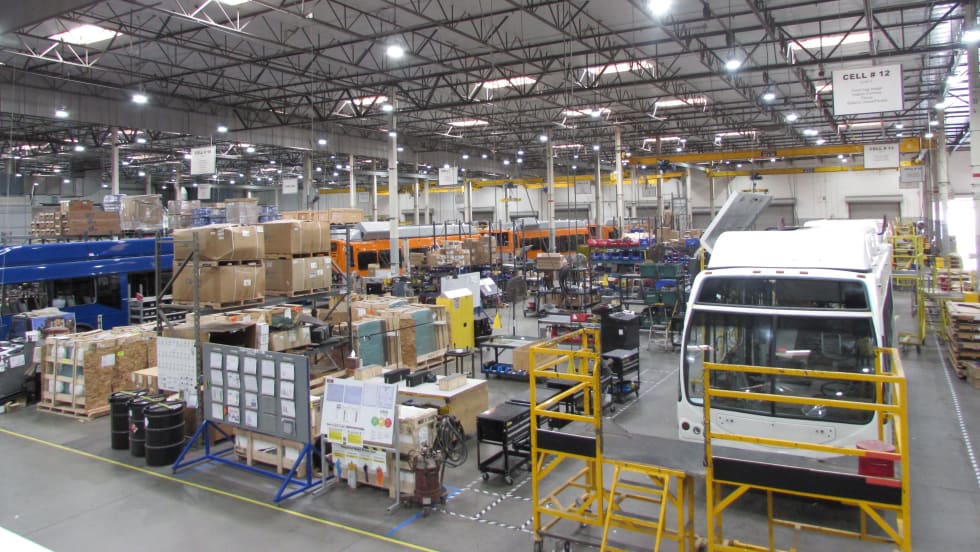
LA Metro Board Awards 220 Battery-Electric Bus Contract to ENC
The contract, which is the largest base award of battery-electric buses by a U.S. transit agency, will be built in Southern California, sustaining good jobs as LA prepares to welcome the world in 2028
Read More →
What’s Behind San Diego MTS’s Award-Winning Transit Strategy
Named one of APTA’s 2026 Outstanding Public Transportation Systems with 50 million or more annual passenger trips, California’s San Diego Metropolitan Transit System points to gains in ridership, safety, technology, and reliability as foundations of its success.
Read More →
Public Transit Conference Returning to GFX in 2027, Call for Papers Now Open
The Call for Papers is now open, allowing transit agency professionals and industry experts to help shape the PTC educational program by submitting session ideas for consideration.
Read More →