



Transporting passengers using mobility devices
Wheelchairs that are too heavy; too many wheelchairs; and transporting passengers in a non-sterile state were the major issues provided.

We asked university transportation operators what are their greatest challenges in transporting passengers who use wheelchairs or other mobility devices?
Passengers in a non-sterile state
From a transit standpoint, our biggest issue would be instances in securing wheelchairs or mobility devices in which the passenger is in a non-sterile state. We have had several instances that range from general cleanliness, including insects, up to dry and non-dry blood and the possibility of the transfer of blood-borne pathogens.
Unable to find a definitive answer as to how to handle these instances, we have supplied the drivers with gloves and have informed them to do what they can to secure the passengers without endangering their own health.
Brian Otchis, Transit Operations Manager
UCLA
Los Angeles
Wheelchairs that are too heavy
We use a private vendor for our inter-campus shuttles, and our more difficult challenges are the weight of the wheelchairs (at times the vendor will use a really nice touring bus and the ADA access can be a bit scary for the user).
Also, the heat in Arizona at times affects the mechanism, although I’m not sure why. The one other thing is the time it takes to load a wheelchair, which then puts the bus a bit behind. That being said, the students do not complain or seem to have any problems with this.
Judi Nelson, Commuter Options Manager
Arizona State University
Tempe, Ariz.
Too many wheelchairs for one bus
The greatest challenge we probably face is when we have more wheelchair customers than a particular bus can handle. Our shuttles are ADA equipped, but most can only handle two wheelchairs at a time. Sometimes, since we don’t know who will be riding at any given time, we might have three or four.
Josh Cantor, Director, Parking and Transportation
George Mason University
Fairfax, Va.
More Paratransit

Frontrunner Bus Group Introduces XF Low-Floor Bus with Enhanced Accessibility
The new mid-sized bus features a full flat-floor design, eight-inch curbside step-in height, and zero-entry rear ramp to improve passenger access and operational flexibility.
Read More →
Scenes from APTA TRANSform & EXPO 2026
Transit leaders, manufacturers, and industry professionals gathered in Chicago to explore new technologies, share ideas, and discuss the future of public transportation.
Read More →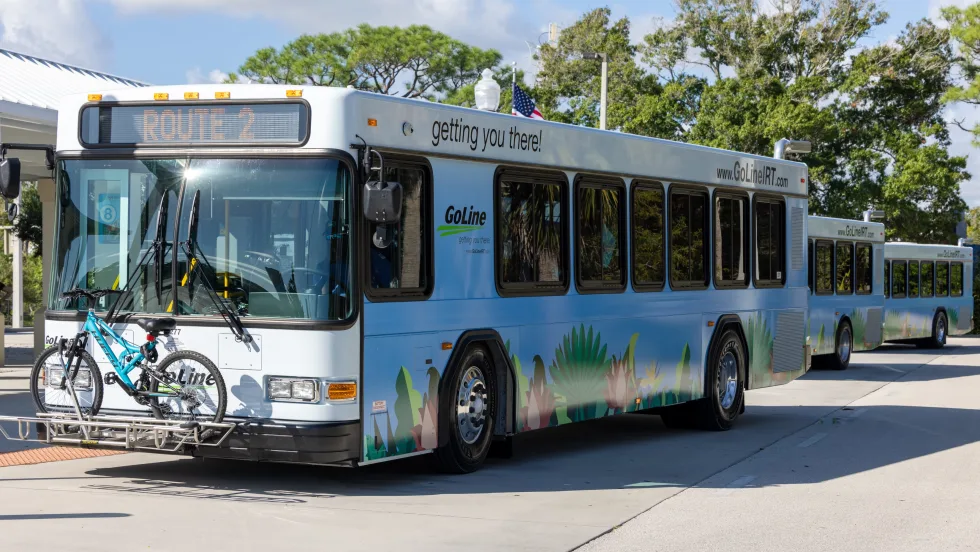
Indian River Transit’s Community-Focused Approach Earns National Recognition
Named APTA’s 2026 Outstanding Public Transportation System in its size category, Florida’s Indian River County transit system continues to grow ridership through fare-free service and a focus on evolving community needs.
Read More →
Everett Transit, Community Transit Outline Consolidation Agreement
The proposed agreement calls for a 50% increase in bus service in Everett, a new microtransit zone, continued paratransit service, and the transfer of Everett Transit operations to Community Transit.
Read More →
Driving Smarter Paratransit
John Hanlon shares how AlphaRoute is leveraging AI-powered technology to help paratransit providers optimize operations, support frontline staff, and enhance the rider experience.
Read More →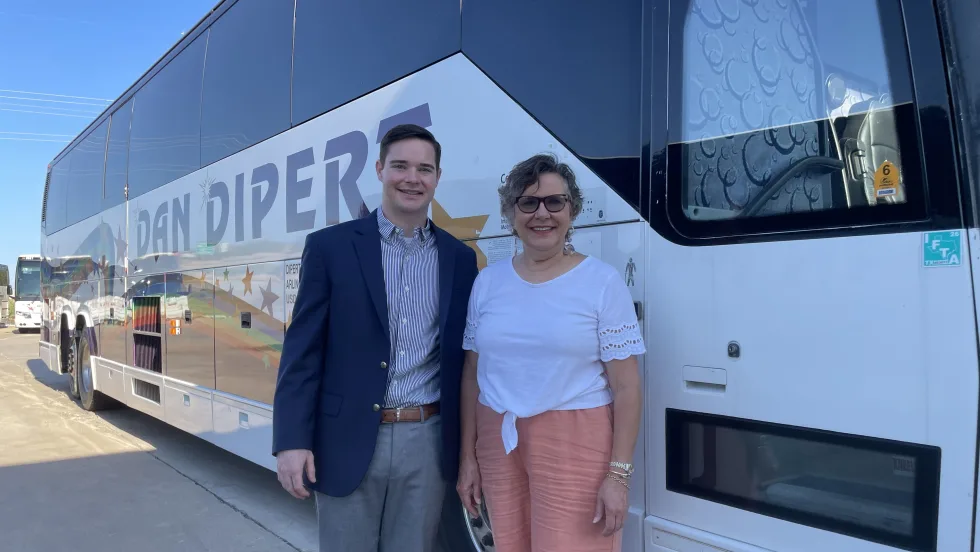
People Movement: Dan Dipert Coaches Adds Third-Generation Leader, Keolis Names New Valley Metro VP/GM, and More
In this edition, we also cover recent appointments and announcements at the Wabtec, SilverRide, HNTB, and more, showcasing the individuals helping to shape the future of transportation.
Read More →
Biz Briefs: RIPTA Unveils New Frontrunners, Clevland RTA Adds New Siemens, and More
In METRO's latest installment, we take a look at recent news from Siemens, Prevost, Dodge, and more partnerships making headlines across the transportation sector.
Read More →
King County Metro Makes ADA Paratransit Easier to Navigate
METRO's Innovative Solutions Award winner replaces complex service-area descriptions with an accessible, interactive map that puts paratransit information directly in customers’ hands.
Read More →
Jacksonville’s NAVI Project Charts a New Course for Autonomous Public Transportation
Through its NAVI program, JTA is showing how autonomous vehicles, intelligent infrastructure, and coordinated operations can work together to deliver everyday public transportation.
Read More →
Driving Smarter Paratransit
John Hanlon shares how AlphaRoute is leveraging AI-powered technology to help paratransit providers optimize operations, support frontline staff, and enhance the rider experience.
Read More →