
Outstanding Public Transportation System Achievement
More Than 20 Million Passenger Trips


 MENU
MENU SEARCH
The Toronto Transit Commission developed a five-year plan that put the customer at the center of all that it does, from service planning to service delivery, including a new station management model, customer charter, fleet and infrastructure renewal, and how it manages its people.
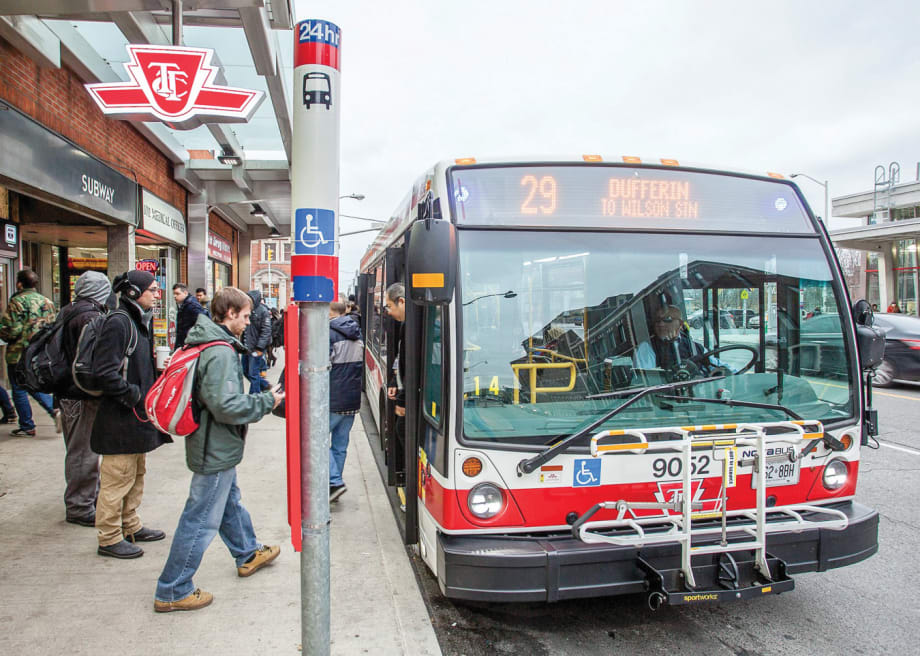
By passenger volume, the TTC is North America’s third-largest transit system. Photo: TTC
By passenger volume, the TTC is North America’s third-largest transit system. Photo: TTC
The Toronto Transit Commission’s (TTC) Outstanding Public Transportation System Achievement award recognizes the transformative change the TTC has undergone over the last five years. The TTC last won the award in 1986.
In 2013, the TTC set out to change itself. It developed a five-year plan that put the customer at the center of all that it does, from service planning to service delivery, including a new station management model, customer charter, fleet and infrastructure renewal, and how it manages its people.
After almost 100 years in service and 31 billion trips taken, the TTC has grown to become one of the most visible and vital public services in Toronto. A number of achievements over the past five years include:
A cleaner, more punctual and exponentially more responsive service.
Unprecedented capital investment
Introduction of new vehicles — buses, streetcars and trains.
PRESTO is now available in all subway stations and vehicles.
Completion of the spectacular Leslie Barns.
Delivery of a world-class transit plan in support of the 2015 Pan Am Games.
A more accessible TTC with the addition of external announcements on buses, subways, and streetcars and more fully-accessible subway stations.
One Person Train Operation on Line 4 Sheppard, improving the safety, and reliability of the service.
The agency was recently recognized as one of the Greater Toronto Area’s Top Employers. Photo: TTC
A reduction in the number of delay minutes across the subway network.
A second subway platform at Union Station, reducing over-crowding, and improving customer circulation.
Increased service on more than 40 routes, operating all day, every day and 52 routes now operate every 10 minutes or better.
Increased service on the Blue Night Network so that 99% of Toronto residents now live within a 15-minute walk of overnight bus and streetcar service.
Real-time travel information is made available on Platform Video Screens.
Implementation of a new wayfinding system that uses consistent symbols, colors and numbers to clearly communicate to the city’s diverse audience.
Underwent a brand revitalization moving the brand from one of a utility to what it really is: a critical part of Torontonians’ everyday lives.
Recognized as one of the Greater Toronto Area’s Top Employers.
Additionally, the most recent customer satisfaction survey results show that TTC customers are satisfied at a record of more than 80%. The TTC will continue to modernize its signal system, fare system. and its workplace. Later this year, TTC will open a six-station, five-mile extension of its Line 1 Yonge-University subway service.

The agency said tariffs on specialized imported components could reduce the purchasing power of its $23 billion investment in new subway cars, railcars, and buses.
Read More →
Follow the latest product launches, partnerships, technology updates, and transit industry announcements coming out of APTA TRANSform & EXPO in Chicago.
Read More →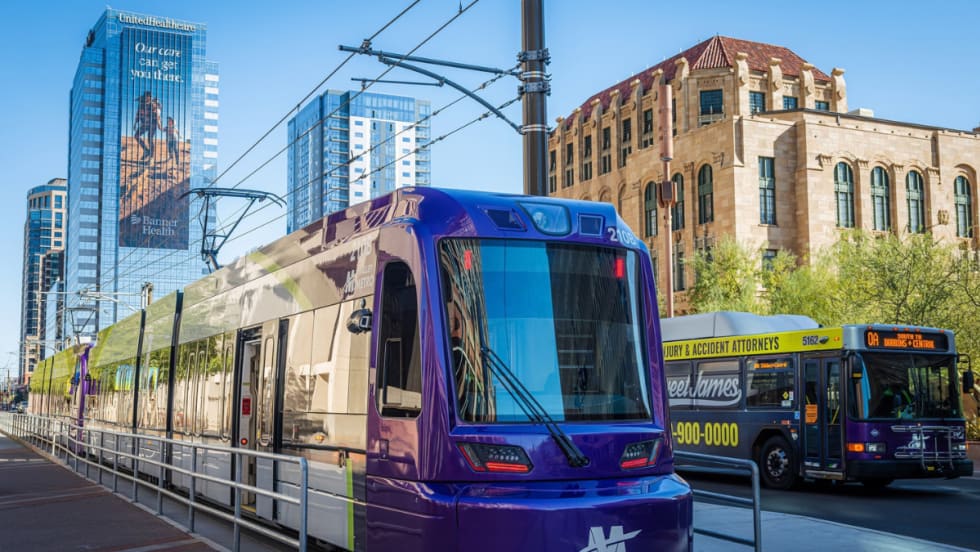
The APTA award-winning agency is pairing rapid system expansion with investments in workforce, safety, technology, and the fundamentals of transit service.
Read More →
In this episode of Bus Tech Talk, Complete Coach Works’ Business Development Manager Mark Hollenbeck and METRO’s Executive Editor Alex Roman sit down with Obed Mejia, Senior Technical Trainer for Bus Maintenance, at LA Metro to discuss how rapidly evolving bus technology is changing the maintenance shop — and the skills technicians need to keep pace.
Read More →
The longtime transportation executive will help Paslay Group grow its advisory and program management work across transit, highway, and other infrastructure sectors.
Read More →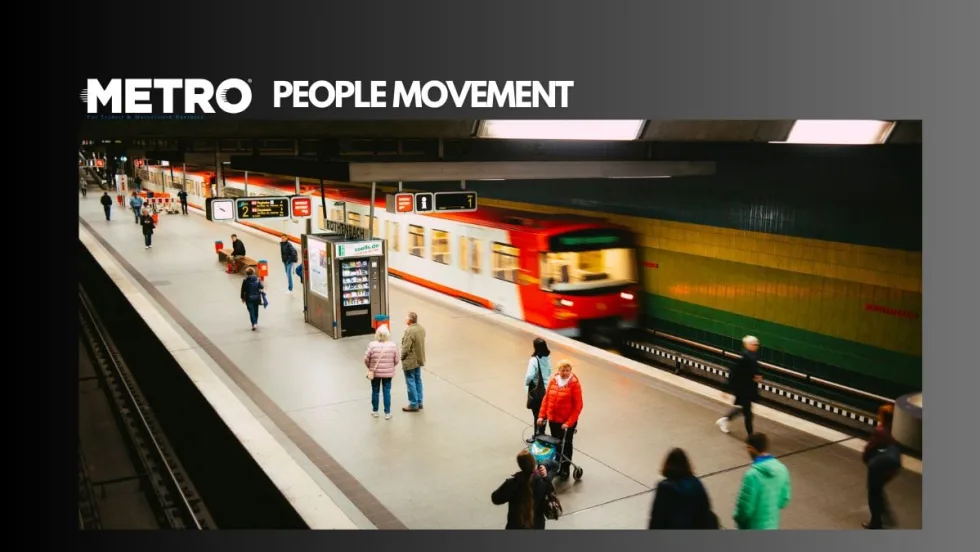
In this edition, we also spotlight recent personnel moves at Burns, UZURV, and more, highlighting the people taking on new roles across the transportation industry.
Read More →
The Delaware River Port Authority and PATCO have transformed their internship program into a hands-on professional development experience that introduces students to the breadth of transportation careers — and creates a pipeline for future employees.
Read More →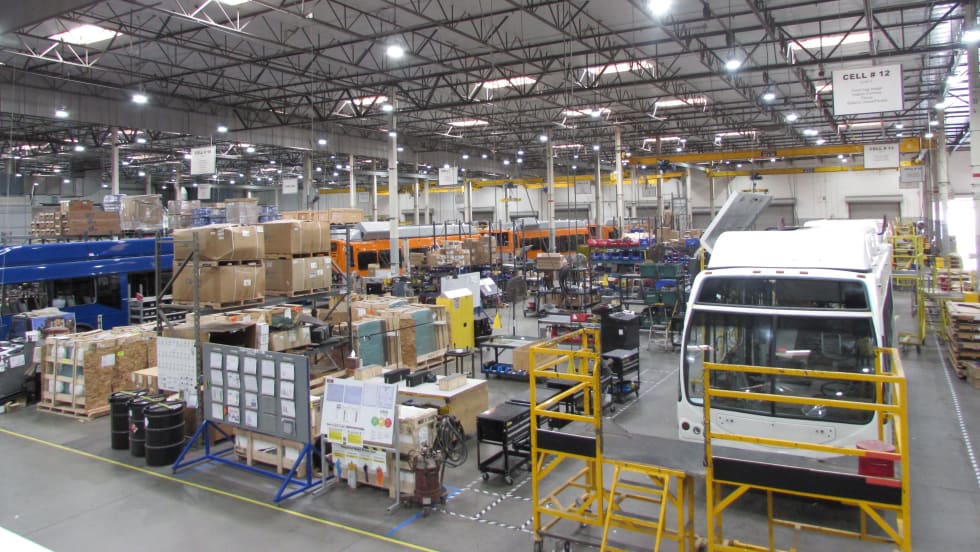
The contract, which is the largest base award of battery-electric buses by a U.S. transit agency, will be built in Southern California, sustaining good jobs as LA prepares to welcome the world in 2028
Read More →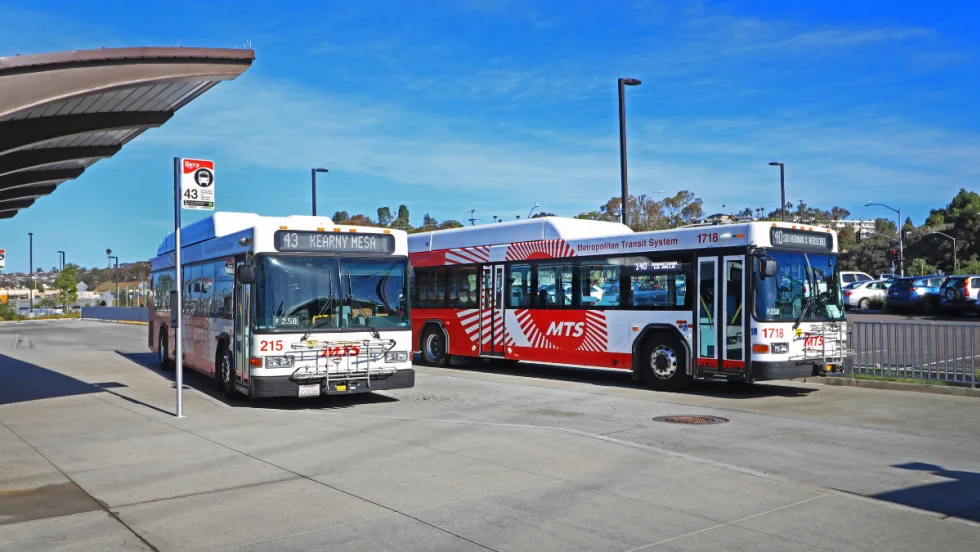
Named one of APTA’s 2026 Outstanding Public Transportation Systems with 50 million or more annual passenger trips, California’s San Diego Metropolitan Transit System points to gains in ridership, safety, technology, and reliability as foundations of its success.
Read More →
The Call for Papers is now open, allowing transit agency professionals and industry experts to help shape the PTC educational program by submitting session ideas for consideration.
Read More →