



U. of Arizona delays parking permit rate increase
To help alleviate the current financial burden on employees and students the planned $100-plus permit hike will not go into effect.

The University of Arizona's Parking & Transportation Services (PTS) has decided to hold off on a planned increase to help alleviate the current financial burden on employees and students.
Parking & Transportation Services has announced it will not increase permit prices by more than $100 as planned in July.
The proposed increase of $116, the second in a series of three planned rate hikes that began with an approximate $50 across-the-board increase last year, has been temporarily put on hold to help relieve the burden on University of Arizona employees and students in tough economic times, said Bill Davidson, PTS marketing manager.
The decision has many employees feeling grateful for the break at a time when cash is tight.
"I'm really happy," said Judy McElroy, director of health sciences contracts, who parks in the Highland Garage. "Insurance is going up, benefits, everything seems to be going up and our paychecks aren't going up."
McElroy, who serves as the Appointed Professionals Advisory Council's parking committee representative, said she was able to park on campus for free when she started working at the UA 32 years ago.
Currently, garage permits cost $568 a year, while other lot permits range from $468 to $353 annually.
Prices were supposed to go up by $116 both this year and next year to help fund PTS sustainability measures and support the unit's goal to reduce the number of cars on campus that are only transporting one person. While Davidson said the increase remains necessary to PTS, a self-supporting unit, parking officials will delay it for now and reevaluate the state of the economy and the University's financial situation a year from now.
"It was a necessary thing to do for next year in the light of the economy," Davidson said. "By not having a fee increase, that's going to give everyone some help."
The $50 increase in July helped PTS establish car- and bike-sharing programs on campus and add a new CatTran Route, in line with its goal to provide more sustainable transportation options, Davidson said.
While those programs will remain in place, other planned sustainability measures will have to be put on hold as a result of the delayed increase. That includes plans to increase the subsidy for Sun Tran bus passes, purchase larger CatTran vehicles and expand the UA's Park-N-Ride shuttle program from off-campus lots, Davidson said.
Joan Feldman, a human resources manager who parks in Main Gate Garage, said she's glad the increase was delayed. "I think it's a generous offer on the part of the University, and I think it's good for everyone to look for ways to ease the burden on each other," she said.
More New Mobility

Biz Briefs: STV teams with Amtrak, Motorcoach Operators Boost Fleet and Land Contracts, and More
From manufacturers and suppliers to transit agencies and motorcoach operators, these updates offer a snapshot of the projects, partnerships and business moves driving the industry forward.
Read More →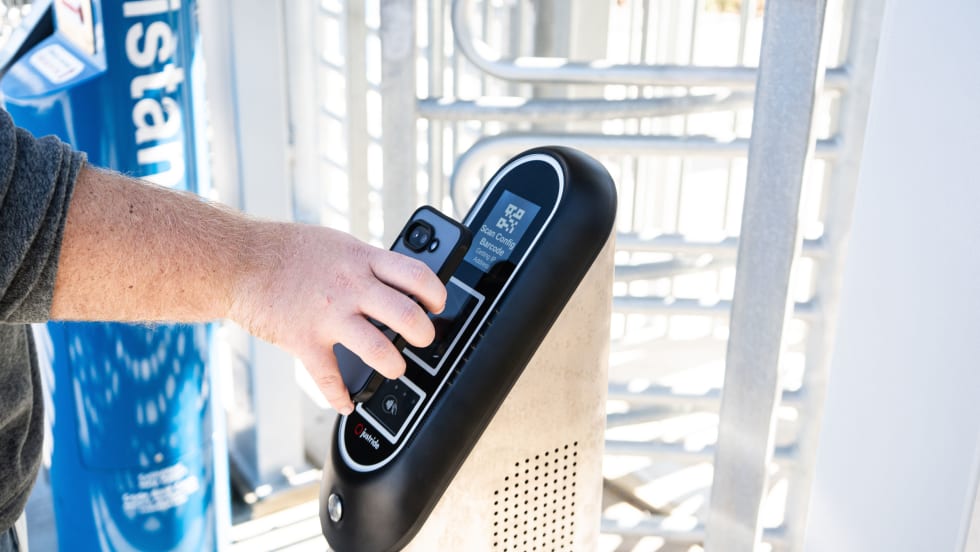
Biz Briefs: Masabi Teams with St. Louis Metro and More
In METRO's latest installment, we take a look at recent news from Transdev, Hitachi, and more partnerships making headlines across the transportation sector.
Read More →
Microtransit's Next Test: Becoming Part of the Network
Freebee shows how electric microtransit is moving beyond pilots to fill network gaps, connect riders to transit, and prove lasting value.
Read More →
Ford to Leave JTA After More Than 10 Years as CEO
He plans to continue his work advancing innovative mobility solutions to improve the quality of life in communities across the nation. He did not announce specific plans.
Read More →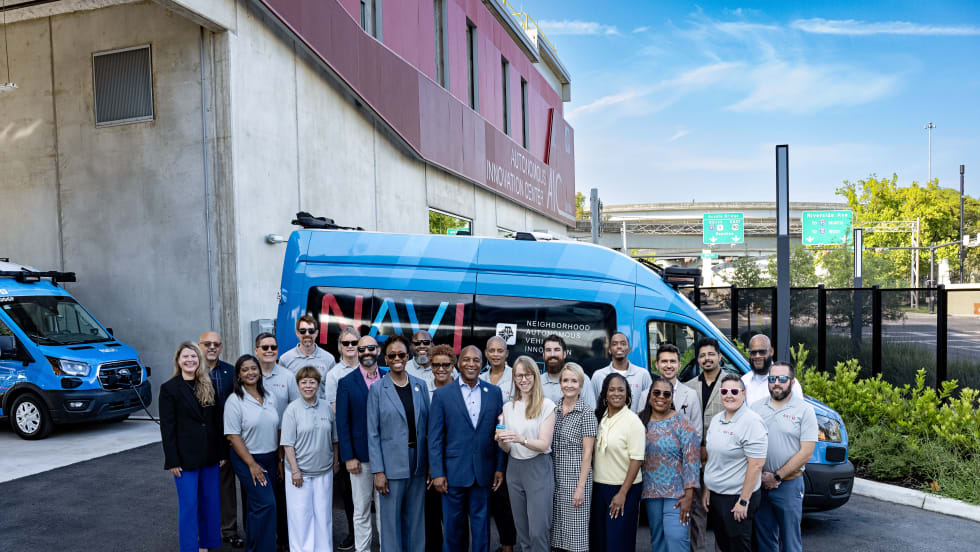
Florida's JTA Marks One Year NAVI Anniversary
During its first year of operation, NAVI has transported over 15,200 passengers and traveled more than 61,000 miles in autonomous mode without a safety incident caused by the autonomous driving system.
Read More →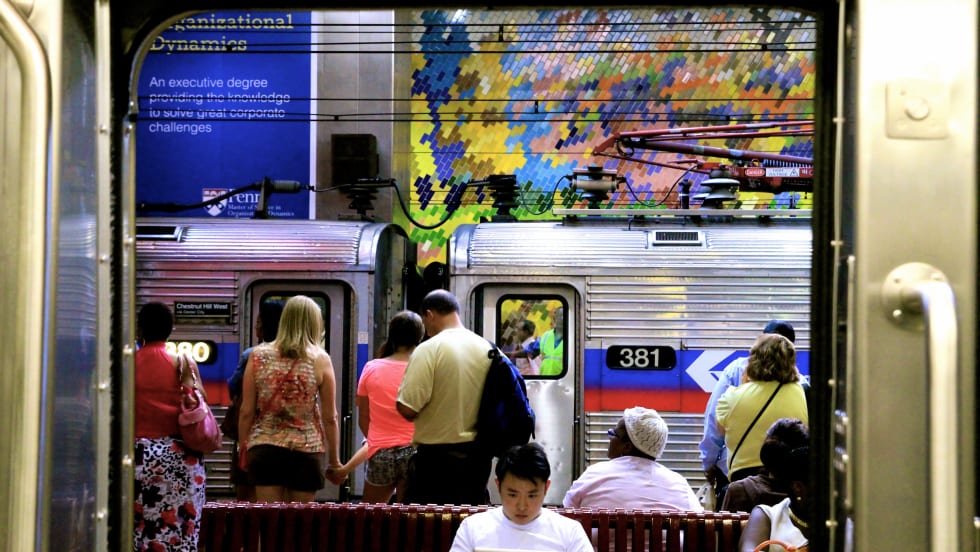
SEPTA Board Approves FY2027 Budget Amid Funding Challenges
The spending plan represents an increase of just 1.9% over the current year and includes investments in new buses, additional full-length fare gates, and other customer enhancements.
Read More →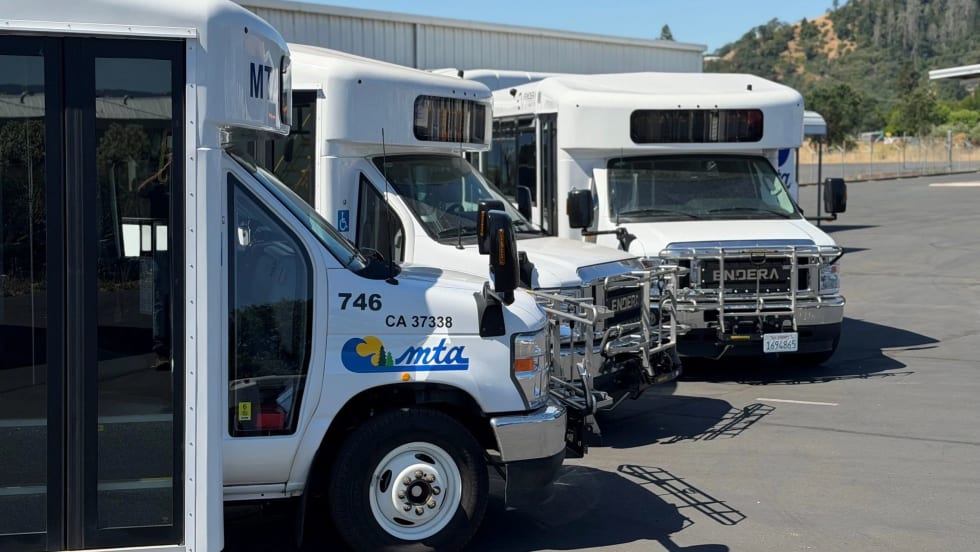
Biz Briefs: Endera Delivers to California, Safety Vision Teams with San Antonio's VIA, and More
From manufacturers and suppliers to transit agencies and motorcoach operators, these updates offer a snapshot of the projects, partnerships and business moves driving the industry forward.
Read More →
Modernizing Mobility with CharterUP CEO Armir Harris
From digital transformation to evolving customer demands, CharterUP's Armir Harris offers his perspective on the transportation industry's next chapter.
Read More →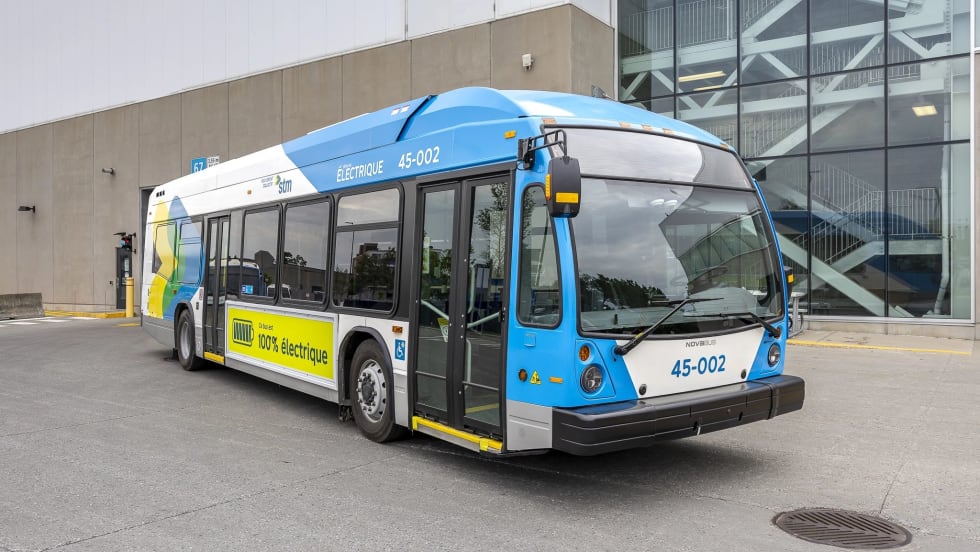
Biz Briefs: Montréal Debuts Nova Electric Buses and More
In this edition of Biz Briefs, we spotlight the latest developments shaping the future of mobility.
Read More →
6 Transit Management Lessons for Colleges and Universities Facing Seasonal Demand Swings
College transportation demand swings wildly throughout the year. Fleet strategies are starting to catch up.
Read More →