




U.S. DOT Open Applications for First Round of Funding from Bridge Investment Program
U.S. DOT Awards Grants to Help Marginalized Communities Improve Transportation
Approximately $16.2 million will fund 40 projects in 32 states and two territories through FTA’s Areas of Persistent Poverty (AoPP) program.
June 23, 2022
FTA grants the awards on a competitive basis to state and local governments, transit agencies, and nonprofit organizations to create better transit.
Photo: U.S. DOT
3 min to read
The U.S. Department of Transportation’s Federal Transit Administration (FTA) awarded grants to help marginalized communities across the country.
Approximately $16.2 million will fund 40 projects in 32 states and two territories through FTA’s Areas of Persistent Poverty (AoPP) program. FTA grants the awards on a competitive basis to state and local governments, transit agencies, and nonprofit organizations to create better transit for residents who have limited or no transportation options.
“For millions of people in communities big and small, transit is a lifeline,” said Pete Buttigieg, U.S. transportation secretary. “Every American should have a way to affordably get to work or school, buy fresh food, access medical care, and visit their loved ones — and these transit grants will help make that a reality in 40 underserved communities across the country.”
The program supports the Biden-Harris Administration’s Justice40 initiative and general goals of advancing racial equity and improving public health and the environment through transportation planning that results in new or better transit service.
“Transit can be the great equalizer, but if you live in a transit desert, where options are few and far away, you don’t have access to that power,” said Nuria Fernandez FTA administrator. “FTA’s Areas of Persistent Poverty Program removes barriers to opportunity by increasing access to jobs, school, and services for some of our residents who need it the most.”
AoPP grants are awarded for planning, engineering, and technical studies or financial plans to improve transit in Census-defined low-income areas. The program also supports coordinated human service transportation planning to improve transit service or provide new services, including paratransit.
Some of the selected projects include:
The Mississippi DOT will receive $650,000 to help the Claiborne County Human Resource Agency and four partner organizations adapt technology to make it easier and more efficient for people to get on board in rural areas. The agencies will adapt technology to improve its online ride management platform and test the potential of using real-time data from the field to improve their dispatching system and improve the rider experience.
Chatham Area Transit (CAT) in the Savannah, Georgia, region, will receive $400,000 to study ways to connect emerging job centers and areas that have high levels of racial inequity or persistent poverty. The resulting project will improve air quality, connect low-income communities to more than 2,000 new job opportunities, and serve three job centers that are not on existing CAT transit routes.
Greater Cleveland Regional Transit Authority (GCRTA) in Cleveland, Ohio, will receive $585,000 to partner with local public agencies and nonprofits to address barriers to transit access facing people living in areas of persistent poverty. The study will allow GCRTA to improve not only transit access, but economic mobility and quality of life for more than 200,000 people. In Phase 2, GCRTA will consider ways to improve access including reduced fare costs, schedule changes, micro transit, and zoning changes.
The Regional Planning Commission of Greater Birmingham, Alabama, will receive $495,000 to study three transit areas and develop plans to improve transportation options and land use to connect people living in areas of persistent poverty to the city’s bus rapid transit system. The study will assess the potential for transit-oriented development, accessibility improvements, and enhancement of bus stops, and how to better use blighted, vacant, and underused properties.
The White Mountain Apache tribe in Arizona will receive $112,500 for a study analyzing where to locate a new bus transfer station as part of its Fort Apache Connection (FACT) transit system. The new station will reduce the distance buses must travel each day from FACT headquarters, lowering fuel and maintenance costs and improving mobility for residents in 11 communities on the White Mountain Apache Indian Reservation in Arizona.
FTA received applications totaling close to $63 million in funding requests. Projects were selected based on criteria described in the Notice of Funding Opportunity.
More Management
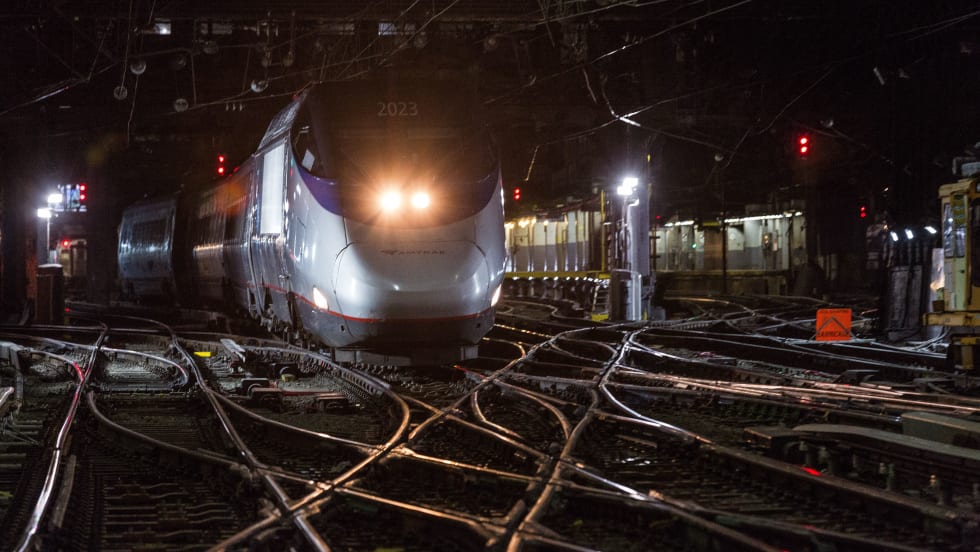
Amtrak Board Advances Plan to Restructure Organization, Seeks Public Input
The proposal, developed by Amtrak management and approved by the board for further consideration, is intended to modernize the organization's structure while improving accountability, operational efficiency, and customer service.
Read More →
Sponsored•August 2, 2026
Turn Transit Data Into Action
Discover how leading agencies are using connected technology to gain real-time visibility across operations, improve service reliability, and reduce disruptions.
Read More →
What Transit-Oriented Development Means for the Future of Public Transportation
Once viewed primarily as transit operators, agencies are now leveraging land, partnerships, and long-term planning to boost ridership, expand housing, and strengthen communities.
Read More →
USDOT Announces $22 Million for Transit Innovation, Updates High-Speed Rail Rules
New federal transit funding will support safety, accessibility, and technology projects as updated rail regulations establish new noise standards for high-speed trains.
Read More →
Transportation Construction Coalition Unveils Infrastructure Case Studies Ahead of Federal Funding Deadline
The coalition noted the next surface transportation bill should provide sustained investment in highways and public transit to strengthen freight movement, improve safety, and support economic growth.
Read More →
People Movement: American Bus Association Extends Ferguson and More
METRO’s People Movement highlights the latest leadership changes, promotions, and personnel news across the public transit, motorcoach, and people mobility sectors.
Read More →
METRO Magazine Announces 2026 Innovative Solutions Awards Winners
Projects Recognized for Advancing Mobility Through Technology, Accessibility, Workforce Innovation, and Operational Excellence
Read More →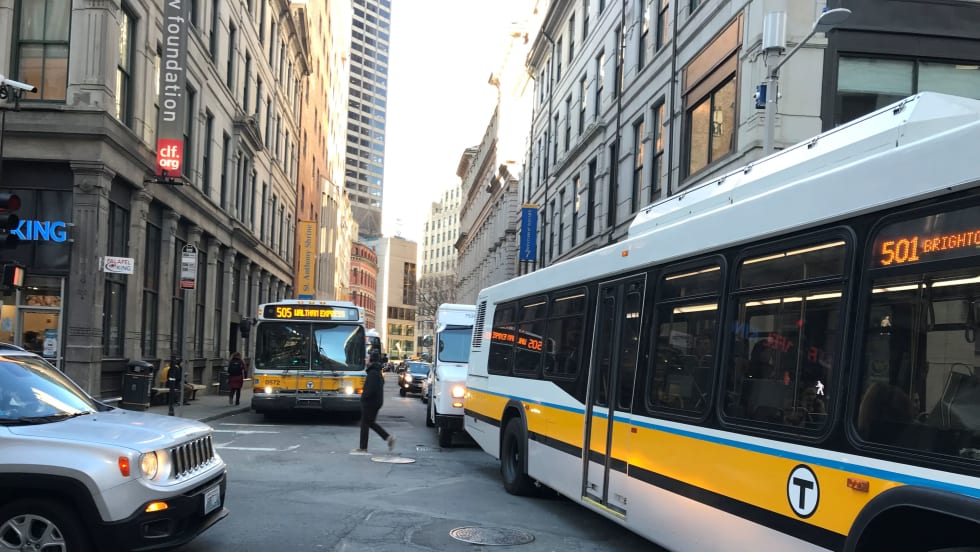
MBTA Rolls Out Pilot Programs to Cut Costs, Simplify Travel
Three new fare pilots — including unlimited two-hour transfers, reduced express bus fares, and free transit for eligible seniors — will launch this fall as Massachusetts extends popular commuter rail discounts through November.
Read More →
FTA Opens $610 Million Funding Opportunity for Bus Infrastructure Projects
The latest Notice of Funding Opportunity provides transit agencies with funding for bus facilities, fleet modernization, and low- and no-emission vehicles, with applications due September 21.
Read More →
Biz Briefs: STV teams with Amtrak, Motorcoach Operators Boost Fleet and Land Contracts, and More
From manufacturers and suppliers to transit agencies and motorcoach operators, these updates offer a snapshot of the projects, partnerships and business moves driving the industry forward.
Read More →