




RELATED: USDOT issues policy for testing, deploying automated vehicles
U.S. DOT designates 10 automated vehicle proving grounds for testing
Designees all have different facilities that can be used to gauge safety, manage various roadways and conditions, and handle various types of vehicles.
January 23, 2017
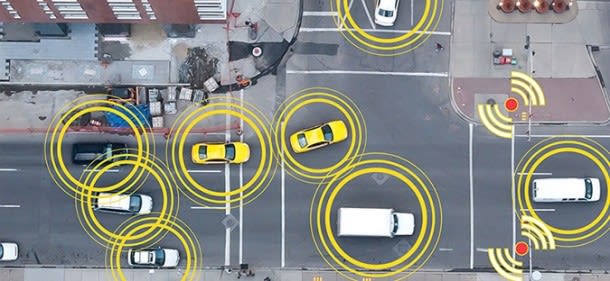
Image: Texas A&M Transportation Institute
2 min to read
Image: Texas A&M Transportation Institute
The U.S. Department of Transportation (DOT) has designated 10 proving ground pilot sites to encourage testing and information sharing around automated vehicle technologies. These proving ground designations will foster innovations that can safely transform personal and commercial mobility, expand capacity, and open new doors to disadvantaged people and communities. These designations are a logical next step in the Department’s effort to advance the safe deployment of automated technology.
“The designated proving grounds will collectively form a Community of Practice around safe testing and deployment,” said Secretary Anthony Foxx. “This group will openly share best practices for the safe conduct of testing and operations as they are developed, enabling the participants and the general public to learn at a faster rate and accelerating the pace of safe deployment.”
The proving grounds will also provide critical insights into optimal big data usage through automated vehicle testing and will serve as a foundation for building a community of practice around automated vehicle research.
Designees were selected from a competitive group of over 60 applicants. Applicants included academic institutions, state Departments of Transportation, cities, and private entities and partnerships. Proving grounds designees all have different facilities that can be used to gauge safety, manage various roadways and conditions, and handle various types of vehicles.
The Proving Ground designees are:
City of Pittsburgh and the Thomas D. Larson Pennsylvania Transportation Institute
Texas AV Proving Grounds Partnership
U.S. Army Aberdeen Test Center
American Center for Mobility (ACM) at Willow Run
Contra Costa Transportation Authority (CCTA) & GoMentum Station
San Diego Association of Governments
Iowa City Area Development Group
University of Wisconsin-Madison
Central Florida Automated Vehicle Partners
North Carolina Turnpike Authority
DOT initiated a Federal Register Notice soliciting proposals for a pilot program to designate automated vehicle proving grounds in November 2016. The solicitation included broad criteria for selections including a demonstration of capable safety planning, willingness and ability to share and disseminate information, and an ability to show that all applicable laws, regulations, and policies are adhered to at all times. The solicitation also requested information on the types of facilities and research capability that are available to applicants to test automated vehicle technologies.
More details about the designations may be found at www.transportation.gov/AV.
More New Mobility

From Hardware to Digital Partner: Luminator Charts Its Next Chapter
CEO Magnus Friberg discusses Luminator’s shift toward becoming a digital partner, the growing importance of software and interoperability, and how AI can help agencies improve operations and passenger experience.
Read More →
Biz Briefs: Alstom Lands Canadian Contract, LYT to Supply California TSP, and More
In METRO's latest installment, we take a look at recent news from Complete Coach Works, Beep, FlixBus, and more partnerships making headlines across the transportation sector.
Read More →
CharterUP’s Armir Harris on Technology, AI, and the Future of Group Mobility
In a recent episode of METROspectives, CharterUP Founder/CEO Armir Harris discussed the company’s evolution from an online charter bus marketplace into a technology platform supporting public- and private-sector mobility and much more.
Read More →
Jacksonville’s NAVI Project Charts a New Course for Autonomous Public Transportation
Through its NAVI program, JTA is showing how autonomous vehicles, intelligent infrastructure, and coordinated operations can work together to deliver everyday public transportation.
Read More →
Biz Briefs: Luminator Marks Milestone and More
From manufacturers and suppliers to transit agencies and motorcoach operators, these updates offer a snapshot of the projects, partnerships and business moves driving the industry forward.
Read More →
New Tricks for Old Bureaucracies: Joshua Schank on Making Transit Innovation Stick
Former LA Metro Chief Innovation Officer Joshua Schank discusses why good ideas aren't enough, how transit agencies can overcome resistance to change, and why today's challenges demand more innovation.
Read More →
How DART's GoPass Is Redefining Regional Mobility
Serving 14 transit agencies, GoPass simplifies multimodal travel by allowing riders to plan, pay for, and manage an entire trip through one app.
Read More →
Biz Briefs: OCTA Taps Clean Energy for Hydrogen Station, Stadler to Supply Via Rail Vehicles, and More
From manufacturers and suppliers to transit agencies and motorcoach operators, these updates offer a snapshot of the projects, partnerships and business moves driving the industry forward.
Read More →CharterUP Expands Into New Mobility and Autonomous Transportation
Vice President of New Mobility Stephen Joos discusses how CharterUP is leveraging its nationwide transportation network, technology platform, and autonomous vehicle partnerships to expand into workforce mobility, campus shuttles, and transit solutions.
Read More →
METRO Magazine Announces 2026 Innovative Solutions Awards Winners
Projects Recognized for Advancing Mobility Through Technology, Accessibility, Workforce Innovation, and Operational Excellence
Read More →