



U.S. DOT releases automated vehicle requests for public comment
FAVP 3.0 will emphasize a unified, intermodal approach to automated driving systems policy. It will enable the safe integration of surface automated transportation systems, including cars, trucks, light rail, infrastructure, and port operations.

U.S. Secretary of Transportation Elaine L. Chao discussed the U.S. DOT’s progress in advancing the release of Federal Automated Vehicle Policy (FAVP) 3.0, also known as A Vision for Safety 3.0, during her remarks at CES in Las Vegas.
“Autonomous vehicle technologies will have a tremendous impact on society in terms of safety, mobility, and security,” Secretary Chao said.
FAVP 3.0 will emphasize a unified, intermodal approach to automated driving systems (ADSs) policy. It will enable the safe integration of surface automated transportation systems, including cars, trucks, light rail, infrastructure, and port operations.
“Policymakers need to preserve the creativity and innovation that is part of the American tradition and allow innovation to flourish,” Secretary Chao added.
As part of its efforts, the U.S. DOT published several automated vehicle notices for public comment on the DOT Website and submitted them to the Federal Register. The Department is seeking public input from across the transportation industry to identify barriers to innovation and shape initiatives.
Secretary Chao said, “Getting input from the public will help identify which departmental regulations need to be updated and changed to encourage innovation.”
The published notices include:
Federal Highway Administration (FHWA):
Request for Information (RFI) on Integration of ADS into the Highway Transportation System: To better understand what is needed to accommodate ADS technologies, and maximize their potential benefits, the Federal Highway Administration (FHWA) seeks the public's input through a formal RFI to supplement strategy development. Advancing the next generation of America's transportation network can only happen with input from an array of informed sources, including stakeholders, industry experts and the public at large.
Federal Transit Administration (FTA):
Request for Comments (RFC) on Automated Transit Buses Research Program: This RFC will obtain transit industry comment regarding the current and near-future statuses of automated transit buses and related technologies. Comments received will assist FTA in developing future Notices of Funding Opportunities (NOFO) for transit bus automation demonstrations with respect to the industry’s ability and interest. Concepts for the NOFOs on demonstrations and evaluations of transit bus automation usage will be defined in FTA’s Strategic Transit Automation Research (STAR) plan. A premise of the STAR plan is to leverage and apply commercially available technology and products to the public transit industry to hasten early demonstrable outcomes.
RFC on Removing Barriers to Transit Bus Automation: This RFC will obtain transit industry comment regarding current or potential institutional, regulatory, or other policy barriers to the development, demonstration, deployment, and evaluation of automated transit buses and related technologies. Some Federal policy issues are addressed in the U.S. DOT’s Automated Driving Systems (ADS): A Vision for Safety 2.0. Information from the second RFC will help inform FTA’s approach to the planned update of this document, which may include additional multi-modal considerations. Information from the RFC will also provide critical feedback on potential modifications of FTA rules, regulations, and agency guidance.
National Highway Traffic Safety Administration (NHTSA):
RFC on Removing Regulatory Barriers for Automated Vehicles: The National Highway Traffic-Safety Administration (NHTSA) seeks comments to identify any unnecessary regulatory barriers to Automated Safety Technologies, and for the testing and compliance certification of motor vehicles with unconventional automated vehicles designs, particularly those that are not equipped with controls for a human driver. Further, NHTSA seeks comments on the research that would be required to remove such regulatory barriers.
More Technology

ETA CEO John Maglio on Transit Technology, Innovation, and Building Agency Trust
ETA founder and CEO John Maglio explores the evolution of transit technology, the importance of reliable systems, and how stronger partnerships can help agencies improve operations and the passenger experience.
Read More →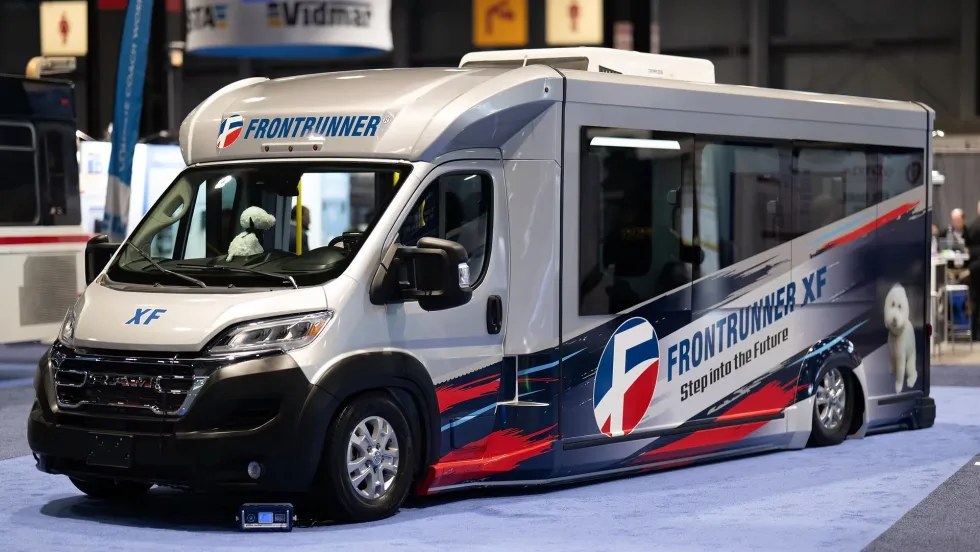
Frontrunner Bus Group Introduces XF Low-Floor Bus with Enhanced Accessibility
The new mid-sized bus features a full flat-floor design, eight-inch curbside step-in height, and zero-entry rear ramp to improve passenger access and operational flexibility.
Read More →
Building a Flexible Path to Transit Electrification with BAE's John Hroncich
John Hroncich discusses BAE Systems’ modular and scalable approach, lessons learned from decades of real-world operations, and how agencies can identify electrification strategies that fit their fleets.
Read More →
Scenes from APTA TRANSform & EXPO 2026
Transit leaders, manufacturers, and industry professionals gathered in Chicago to explore new technologies, share ideas, and discuss the future of public transportation.
Read More →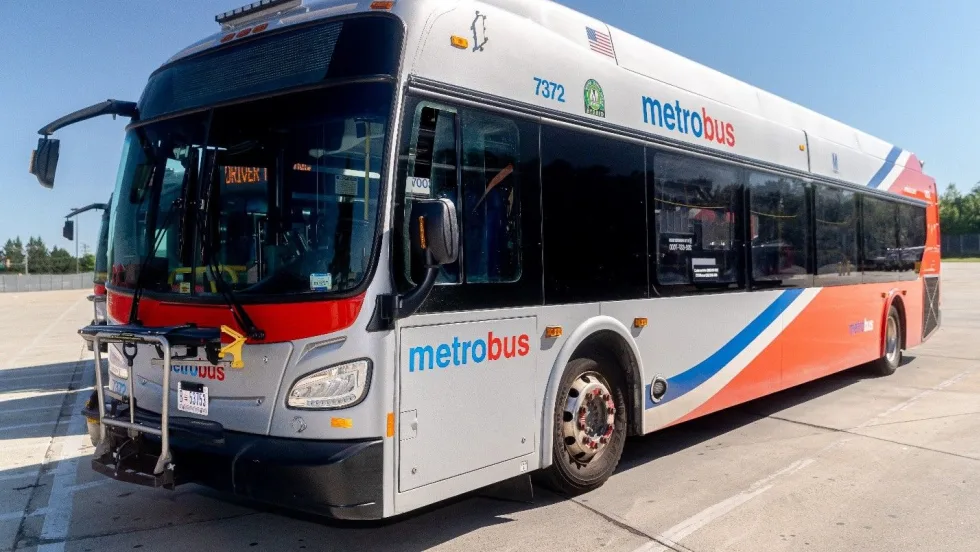
Biz Briefs: New Flyer Secures Additional 100-Bus Order from WMATA and More
In METRO's latest installment, we also take a look at recent news from Masabi, MCI, Samsara, and more partnerships making headlines across the transportation sector.
Read More →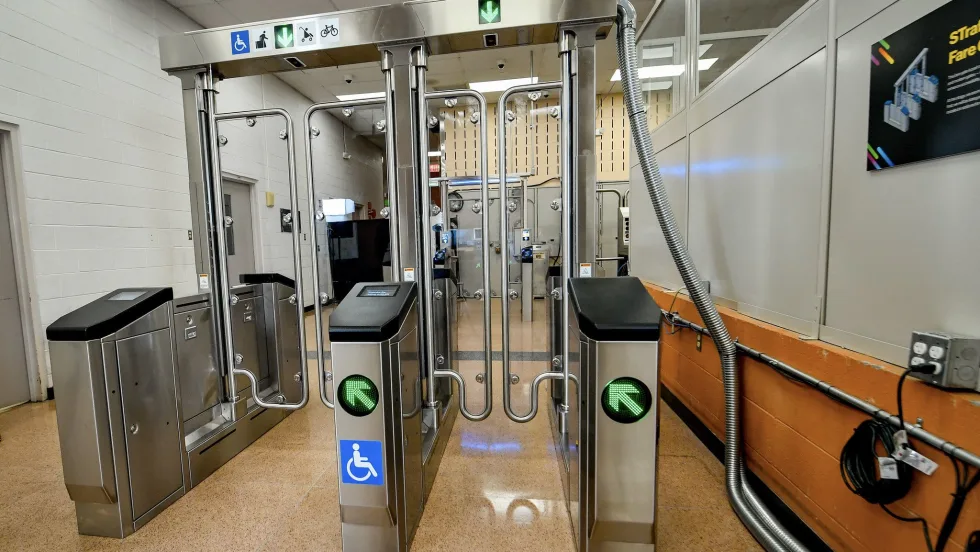
MTA Fare Gate Pilot Reduces Fare Evasion by 35%
Following a 20-station pilot, the agency plans to install new fare gates at 20 additional subway stations as part of a $1.1 billion modernization initiative.
Read More →
California Law Extends AC Transit’s Bus Lane Camera Enforcement
The new law allows AC Transit to continue using forward-facing bus cameras to enforce parking violations in bus-only lanes and at bus stops.
Read More →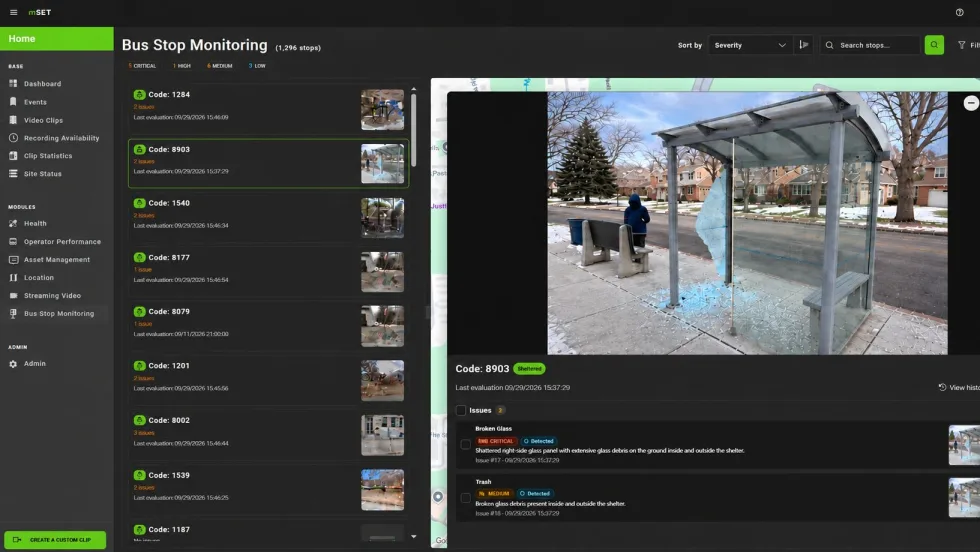
Biz Briefs: Luminator Launches AI Technology to Monitor Bus Stop Conditions and More
In METRO's latest installment, we also take a look at recent news from Masabi, Troman Industries, ioki, CCW, and more partnerships making headlines across the transportation sector.
Read More →
Public Transit Conference Returning to GFX in 2027, Call for Papers Now Open
The Call for Papers is now open, allowing transit agency professionals and industry experts to help shape the PTC educational program by submitting session ideas for consideration.
Read More →
ENC Lands MATA Contract and More in Biz Briefs
In this edition of Biz Briefs, we spotlight the latest developments shaping the future of mobility.
Read More →