



Up to 1,400 passengers rescued from GO Transit train
The train was stuck for several hours before the rescue efforts began.

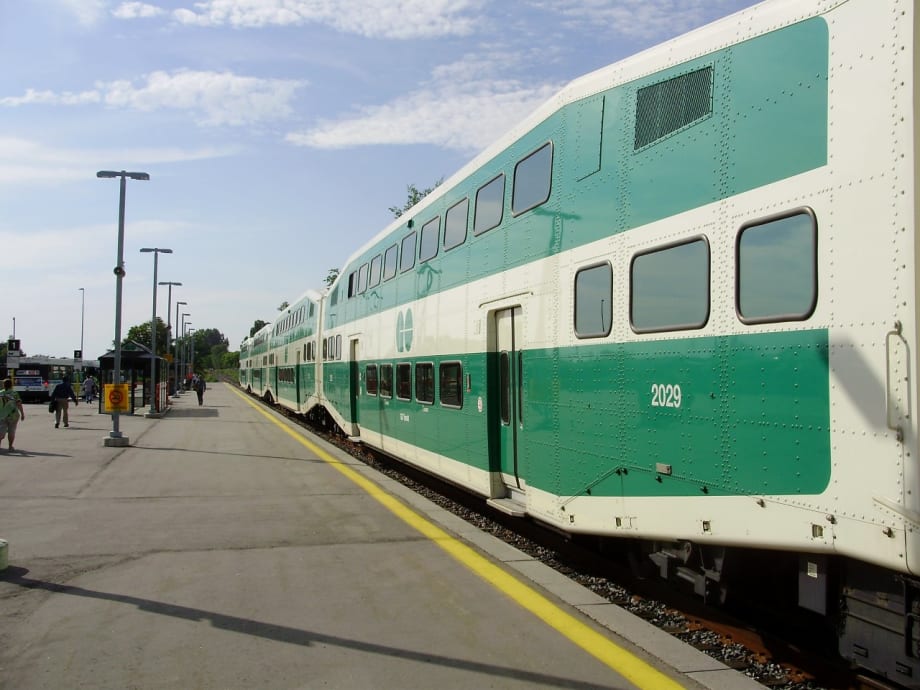
Wikimedia Commons photo by GTD Aquitaine

TORONTO — Following torrential rains that caused flooding in the area, emergency responders rescued up to 1,400 passengers who were stranded on a GO Train that was stuck in high waters, according to Global News. For the full story, click here.
The train was stuck for several hours before the rescue efforts began, with several news agencies, including the National Post, documenting the rescue efforts. For the full story, click here.
RELATED: To view video of the rescue efforts, click here.
The following is a statement released by Metrolinx President/CEO Bruce McCuaig:
"Last night, Toronto experienced a severe and sudden rain storm during the afternoon and evening. The record-breaking amount of rainfall caused serious power outages and flooding throughout the region, including the tracks on the Richmond Hill line just north of Union Station. Passengers were stranded on a train due to quickly rising water levels. I appreciate how patient and understanding customers were in spite of their ordeal and am very pleased to report that there were no reports of injuries.
We sincerely regret that our customers had this unfortunate experience and will be taking steps to reimburse them for damaged property.
I am also very grateful to all of the GO staff, the emergency responders, the TTC and Office of Emergency Management who worked throughout the night to get people home safely and resume service. Their calm and professional response to this unprecedented weather event is much appreciated.
Despite last night's weather, GO Transit is operating service on all seven of our train lines and buses across our system. However, we are experiencing some train delays and cancellations and the commute remains difficult as the city continues with the cleanup. Crews have been working non-stop to repair areas where flooding has caused damage to track and infrastructure. I would also like to extend my thanks to the crews who have been working to undertake repairs as quickly as possible.
We are encouraging customers to stay home today or to consider seeking alternative travel arrangements, if at all possible. If you must travel, please be sure to check on service updates at gotransit.com before you leave home.
Our goal is to get our customers safely to their destination and accommodate as many passengers as we can.
Once again, I appreciate everyone's patience and hard work."
More Rail
FRA Announces $5.3B in Rail Investments, Including $2B for Amtrak
Funding will support grade-crossing improvements, infrastructure upgrades, and new Amtrak equipment in 23 states.
Read More →
Finding the ‘Happy Medium’: Optimizing Maintenance Without Sacrificing Reliability
The key to maintenance optimization isn’t doing less work—it’s doing the right work at the right time on the right assets.
Read More →
OKC Streetcar Makes Zero-Fare Service Permanent
Ridership increased an average of 71% compared with the same period a year earlier during the fare-free pilot.
Read More →
DART Customer Satisfaction Reaches Six-Year High
Overall satisfaction rose to 74.9%, while the agency’s Net Promoter Score reached a record 33.7.
Read More →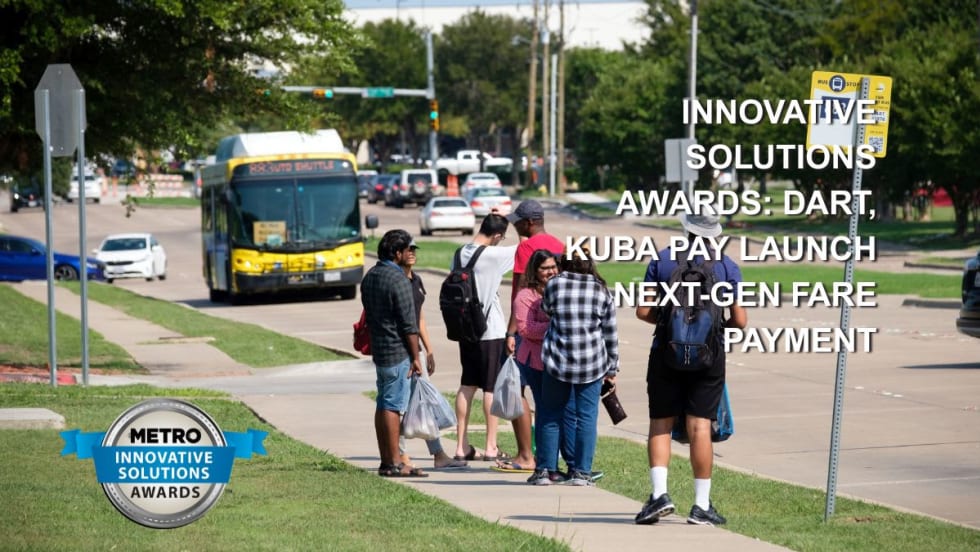
How DART's GoPass Is Redefining Regional Mobility
Serving 14 transit agencies, GoPass simplifies multimodal travel by allowing riders to plan, pay for, and manage an entire trip through one app.
Read More →
Amtrak Board Advances Plan to Restructure Organization, Seeks Public Input
The proposal, developed by Amtrak management and approved by the board for further consideration, is intended to modernize the organization's structure while improving accountability, operational efficiency, and customer service.
Read More →
Biz Briefs: STV teams with Amtrak, Motorcoach Operators Boost Fleet and Land Contracts, and More
From manufacturers and suppliers to transit agencies and motorcoach operators, these updates offer a snapshot of the projects, partnerships and business moves driving the industry forward.
Read More →
Metra Celebrates 100 Years of Electric Rail, Looks to the Future
The event was also a celebration of recent reforms to public transportation in the Chicago area, changes that could be as transformative in the future as the major civic achievement a century ago, said officials.
Read More →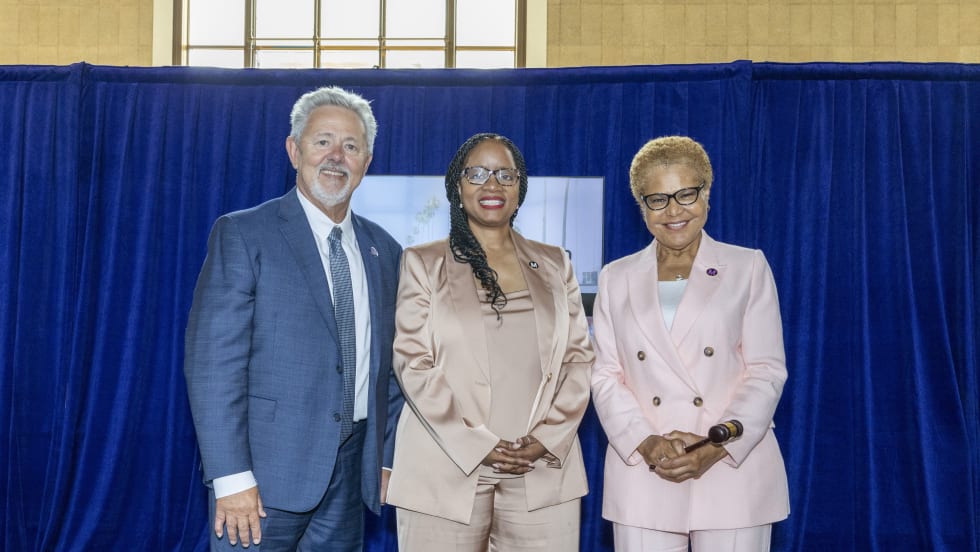
LA Metro Marks Banner Year, Sets Ambitious Goals for New Fiscal Year
Incoming LA Metro Board Chair and Los Angeles Mayor Karen Bass joined outgoing Board Chair Fernando Dutra and LA Metro CEO Stephanie Wiggins to review accomplishments from fiscal year 2026, which included the opening of new rail extensions, advancement of major transit projects, expanded safety programs, and new rider amenities.
Read More →
DART Taps Nathaniel P. Ford Sr. as Next President/CEO
Since 2012, Ford has served as the CEO of the Jacksonville Transportation Authority
Read More →