



UT Survey: Bus replacement tops university transit budget wish lists
Operators are not only hoping to replace aging buses and vanpool vehicles, they are also looking for support for bicycle programs, electric vehicle charging stations and dispatch/demand-response software.

Before you know it, the beginning of the next fiscal year will be here. We asked some university transit operators to share some of their top wish list items.
Here are their responses:
“We have on our wish list for Yale University three new CNG transit buses. This will further diversify our fleet and reduce our carbon foot print. Myself and university officials are very excited for this addition to the Yale shuttle fleet.”
Greg Tower, GM
First Transit Inc., Yale University/Southern Connecticut State University
New Haven, Conn.
“We will be taking delivery of a new ElDorado low-floor, clean burning diesel bus in September 2013. We are slowly but surely replacing the refurbished buses in our fleet. The Montana State Department of Environmental Quality grant we received to help make this happen is up again, and we’re hoping to continue to receive it until all of our refurbished buses are replaced. This will greatly reduce noise and emission levels on our busy bus corridor.
We hope to install covered bicycle parking at all residence halls to help protect student’s bicycles from the elements. Included in this new bicycle initiative is [building] a new bike commuter hub to house our bike share program and a public repair shop. Improving campus walkways to better accommodate large numbers of bikes and pedestrians is also a high priority.”
Benjamin Courteau, director, office of transportation
University of Montana
Missoula, Mont.
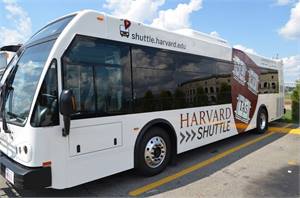
“New vehicles and automated dispatch/demand-response software.”
David E. Harris Jr., director of transit and fleet management
Harvard University Transportation Services
Cambridge, Mass.
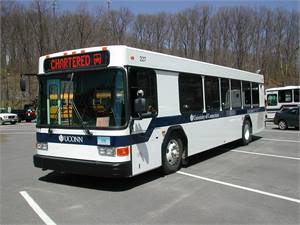
“As is the case with most transit systems, we are always looking to upgrade our equipment (buses, paratransit vans, and airport shuttle vehicles) and provide the latest technologies in AVL, communications, and bus stop information to our 1.4 million annual passengers.”
Janet Freniere, manager, transportation services
University of Connecticut
Storrs, Conn.
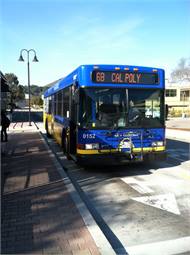
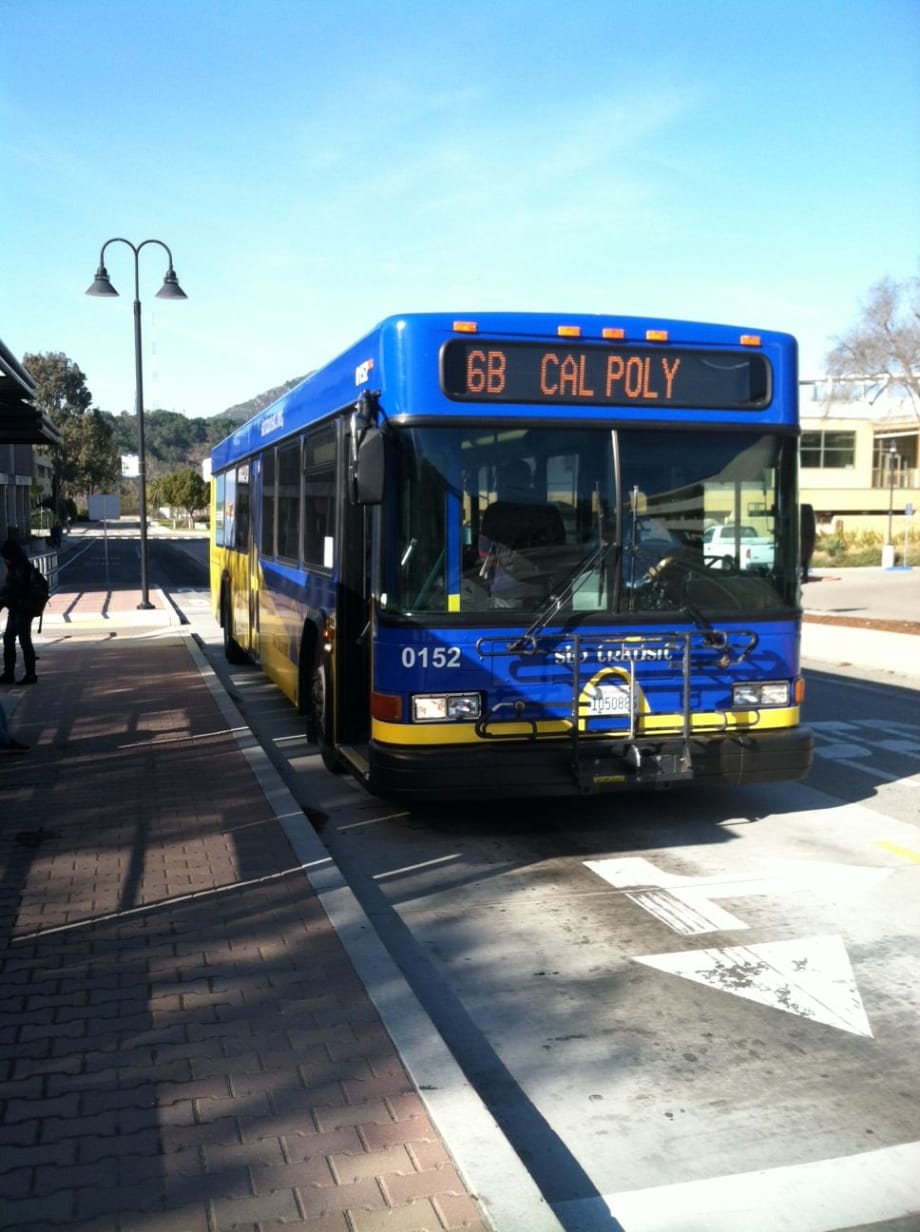
“Purchase and installation of electric vehicle charging stations, replacing some of our fleet of vanpool vehicles and projects to complete our bicycle safety plan. That plan includes new bike paths, re-striping roadways, etc.”
Susan Rains, commuter and access services coordinator, university police department
Cal Poly State University
San Luis Obispo, Calif.
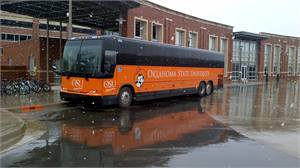
“At the top of [our] list is up to three CNG motorcoach buses for our Stillwater – Tulsa, Oklahoma shuttle service. Our current diesel fleet of Prevost, MCI and Bluebird motorcoach buses are well past their determined useful life, thus creating maintenance and reliability issues, resulting in a direct impact on customer service.
Oklahoma State University has made the commitment to support alternative fuels by creating a unique partnership which allows public sales from our CNG facility in Stillwater, Oklahoma. In addition to this partnership the university has replaced all their diesel transit buses with 19 CNG transit and cutaway style buses. The existing fleet combined with three CNG motorcoach buses will allow the university to displace in excess of 150,000 gallons of diesel with CNG. This displacement will allow for an addition re-investment of lower fuel and maintenance costs back into the continued service of fixed routes within the City of Stillwater.”
Tom Duncan, manager – transit services
Oklahoma State University
Stillwater, Okla.
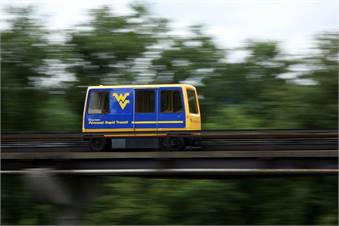
“My budget wish list is a new $36 million train control system for the WVU Personal Rapid Transit system to replace the current 40-year-old computer guidance system.”
Hugh Kierig, AICP, director, department of transportation and parking
West Virginia University
Morgantown, W.Va.
More Bus

People Movement: Dan Dipert Coaches Adds Third-Generation Leader, Keolis Names New Valley Metro VP/GM, and More
In this edition, we also cover recent appointments and announcements at the Wabtec, SilverRide, HNTB, and more, showcasing the individuals helping to shape the future of transportation.
Read More →
New York MTA Plans Largest Bus Fleet Upgrade in More Than a Decade
The agency is seeking manufacturers for 650 new CNG buses to replace aging vehicles, improve reliability, and advance its broader fleet modernization strategy.
Read More →
Building a Flexible Path to Transit Electrification
John Hroncich discusses BAE Systems’ modular and scalable approach, lessons learned from decades of real-world operations, and how agencies can identify electrification strategies that fit their fleets.
Read More →
Bus Tech Talk: Keeping Transit Technicians Ahead of the Technology Curve
LA Metro’s Obed Mejia discusses technician training, evolving maintenance technology, fleet replacement, and strategies for getting the most out of today’s transit fleets.
Read More →
Biz Briefs: RIPTA Unveils New Frontrunners, Clevland RTA Adds New Siemens, and More
In METRO's latest installment, we take a look at recent news from Siemens, Prevost, Dodge, and more partnerships making headlines across the transportation sector.
Read More →
People Movement: Holly Arnold Joins Transdev and More
In this edition, we also cover recent appointments and announcements at Pace, CamTran, MCI, and more, showcasing the individuals helping to shape the future of transportation.
Read More →
The High Cost of Transit Buses: Industry Leaders Look to Procurement Reform
Transit leaders and policymakers examine how standardized bus designs, streamlined procurement, and predictable funding could help agencies stretch budgets and deliver better service.
Read More →
The Business Voice Behind Public Transportation
As chair of APTA’s Business Members Board of Governors, Ray Melleady explains how more than 850 business members are partnering with transit agencies to advance funding, innovation, and industry-wide collaboration.
Read More →
From Surviving to Thriving: Building Stronger Transportation Organizations
Bus Business Consultants founder Brian Dickson shares lessons on leadership, organizational health, and creating options for long-term success in a changing transportation industry.
Read More →
Finding the ‘Happy Medium’: Optimizing Maintenance Without Sacrificing Reliability
The key to maintenance optimization isn’t doing less work—it’s doing the right work at the right time on the right assets.
Read More →