



UT Survey: New developments for the Fall semester
Taking measures to accommodate growing ridership, dealing with driver staffing shortages and introducing new bus routes and vehicle features are keeping university transit operators busy as the Fall semester gets under way.

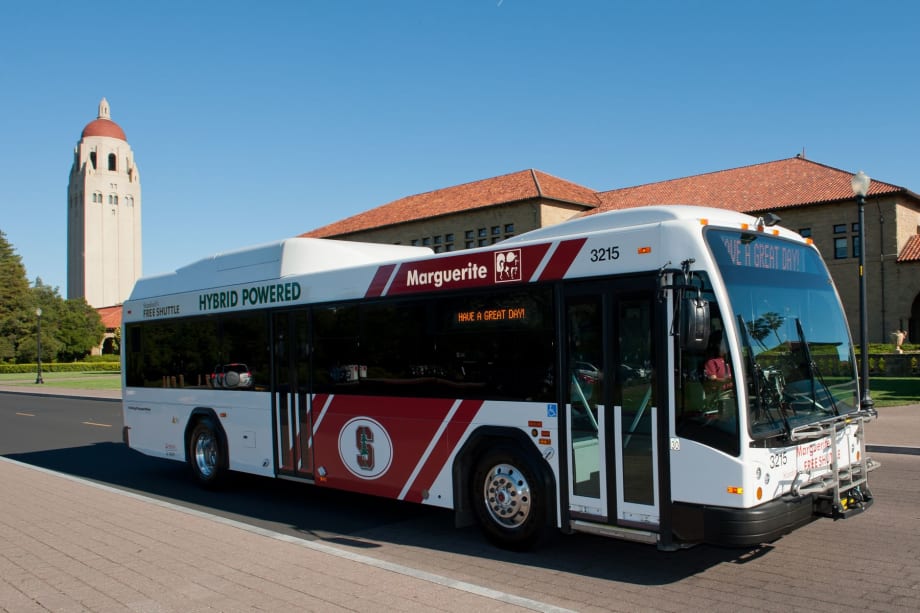
Photo credit Steve Castillo.
With the fall semester in full swing, we wanted to know what’s happening at campus transportation systems across the U.S. Many operators are concentrating their efforts on making the bus commute for students even more convenient by adding Wi-Fi and bike racks to vehicles. Staffing is another issue some operators said they are dealing with, since they rely on student bus drivers, and have to replace many good ones who graduated last spring.
We asked some operators for the latest news. Here are their responses:

Photo
Steve Castillo.
“We are kicking off the 2012-13 academic year by participating in Stanford’s new student orientation and announcing new or adjusted Marguerite transit service or features, including adding new bike racks on Stanford Marguerite buses (three instead of two bike rack positions); introducing in-vehicle free Wi-Fi to main shuttle routes; adding three new hybrid buses with larger passenger capacity; improving shuttle schedule of main campus East/West corridor to better coordinate with class start and end times; updating mybus.stanford.edu web page to improve display of bus arrival information; using lockable NFC chips for our TapPATS application, which displays bus arrival information at each Marguerite stop; and resuming Marguerite shuttle academic year service tailored to students.”
Brodie Hamilton, director, Stanford University Parking & Transportation Services
Stanford University
Palo Alto, Calif.
“West Virginia University offers two transit solutions to mobility on our campuses and within the community. We have the Personal Rapid Transit system that obviously operates on a fixed route with specific stops. Ridership on the PRT is up about 10% over last year and we are on track for a total annual ridership level of about 2.45 million passenger trips. Our second option for transit is the free access that all WVU students, faculty, and staff have to Mountain Line, the regional bus service. Currently WVU related use of the Mountain Line bus service is up 16% over last year.”
Hugh Kierig, AICP, director, department of transportation and parking
West Virginia University
Morgantown, W.V.

“Go West is in a transformative era. Three major residence halls have been closed and two new ones opened in different areas of campus, and we have dramatically changed no less than four routes to accommodate the traffic shift. Three new cutouts and five new shelters have been built, but none of these things address the largest changes looming. Our new administrative and operations facility is reaching substantial completion and we will move all operations across town near the end of this semester. With all of the changes, ridership started slightly lower, but has since gained traction as students have found their way back to the bus for their transportation needs. Non-university ridership is up over 100% over the last five years. We have been short-staffed for some time, but seem to be making some inroads into hiring enough staff.”
Jude Kiah, director
Go West Transit (serves Western Illinois U.)
Macomb, Ill.

“This summer Assistant Operations Manager Brian R. Noojin trained 17 [Indiana University] students for part-time bus operator jobs with IU Campus Bus Service. He has trained over 250 IU students over the past five years using the U.S. DOT National Transportation Safety Institute’s certified bus operator training program. Student bus operators are becoming a more important part of IU Campus Bus Service. Full-time bus operator positions have declined by attrition from 22 to 19 over the past several years. Because of budget constraints, full-time bus operator vacancies will not be filled in the future, so we expect to use even more students in coming years.”
Perry J. Maull, operations manager
Indiana University Campus Bus Service
Bloomington, Ind.

“We have seen some big changes this year. We have increased our Campus Connector service by creating a new route that services a newly built off-campus student apartment complex. We have also increased our fixed route service off-campus routes thanks to a five-year grant from the state.
If all goes well, this January we will be starting up a new route to a park & ride in a city we currently do not service. The goal is to capture more faculty, staff and graduate students who live in that area and drive their personal vehicles.
We received two new biodiesel buses in August and are expecting a new CNG bus later this fall.
It has been a challenging start to the year where personnel are concerned. We lost a lot of good drivers over the summer and then some more after the semester started up. We also haven’t received the number of applications from students that we usually do. The great news is that we are seeing an increase in our ridership on all of our routes. It also comes with a down side. It’s tough putting overflow buses out there to accommodate the increased passenger load when we are struggling to cover the initial shifts.
One thing that should prove beneficial for us is a new agreement we have with the [New Hampshire] DOT. They are using one of our parking lots one day a week to do CDL licensing tests for this area. In return for the use of the lot, we are guaranteed two spots first thing in the morning for any drivers we have that are ready to take their CDL license pre-trip and road test. This will allow us to get our drivers licensed much more quickly to help fill those empty shifts.”
Beverly Cray, manager, UNH Transportation Services
Wildcat Transit (Serves University of New Hampshire)
Durham, N.H.
More Bus
From Surviving to Thriving: Building Stronger Transportation Organizations
Bus Business Consultants founder Brian Dickson shares lessons on leadership, organizational health, and creating options for long-term success in a changing transportation industry.
Read More →
Finding the ‘Happy Medium’: Optimizing Maintenance Without Sacrificing Reliability
The key to maintenance optimization isn’t doing less work—it’s doing the right work at the right time on the right assets.
Read More →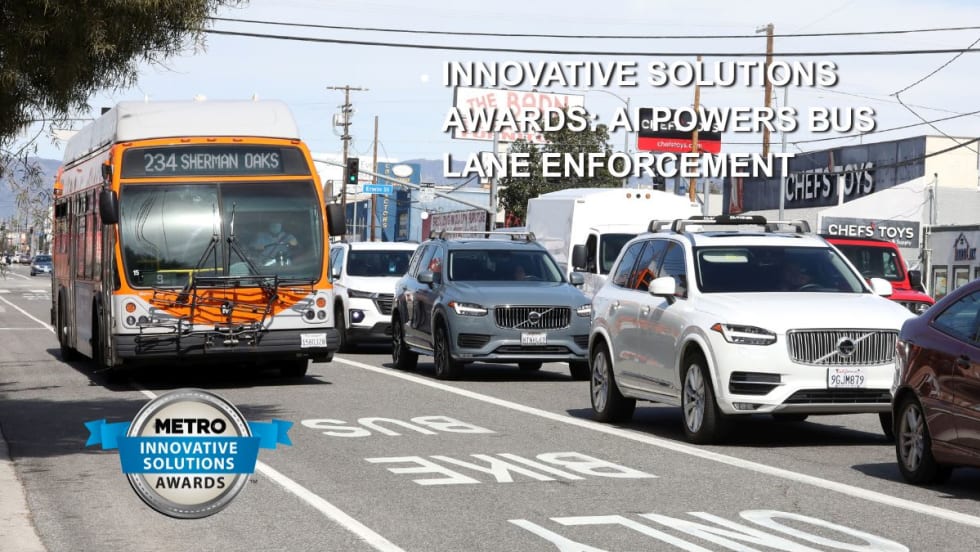
LA Metro, City of West Hollywood, and Partners Advance Smarter Bus Lane Enforcement
The award-winning partnership combines AI-powered detection with human oversight to improve bus reliability, accessibility, and enforcement efficiency.
Read More →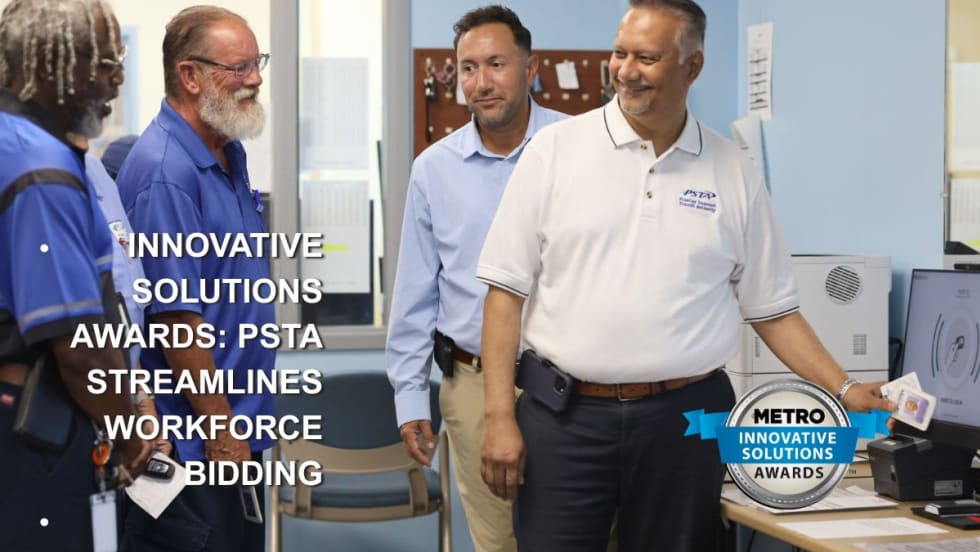
PSTA Modernizes Workforce Management with Digital Bidding System
The award-winning Workforce Transit Modernization project replaced paper bidding with a transparent digital platform, cutting administrative effort while improving access for operators.
Read More →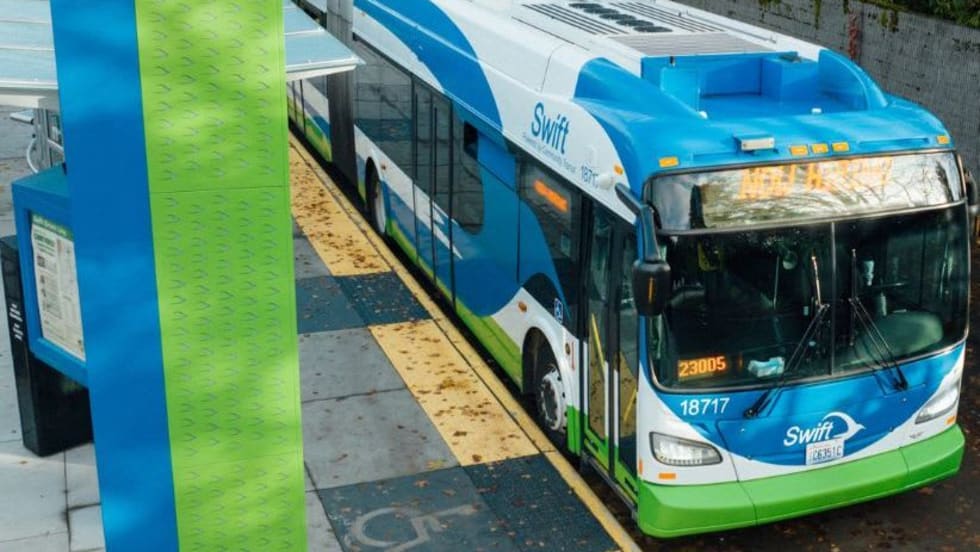
Washington's Community Transit Sets Six-Year Roadmap for Growth, Expansion
Approved TDP targets more bus service, new mobility options, Swift BRT expansion, and a potential Everett Transit annexation.
Read More →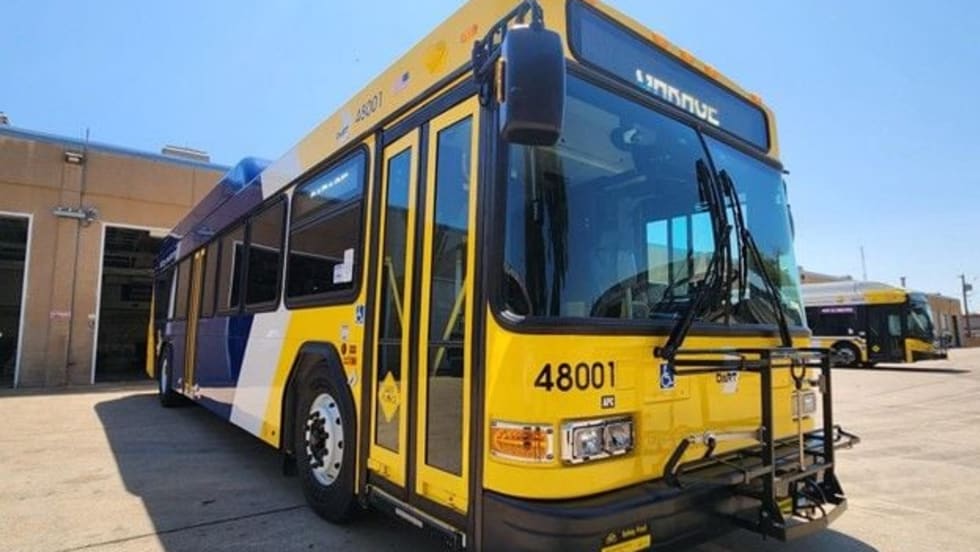
DART Customer Satisfaction Reaches Six-Year High
Overall satisfaction rose to 74.9%, while the agency’s Net Promoter Score reached a record 33.7.
Read More →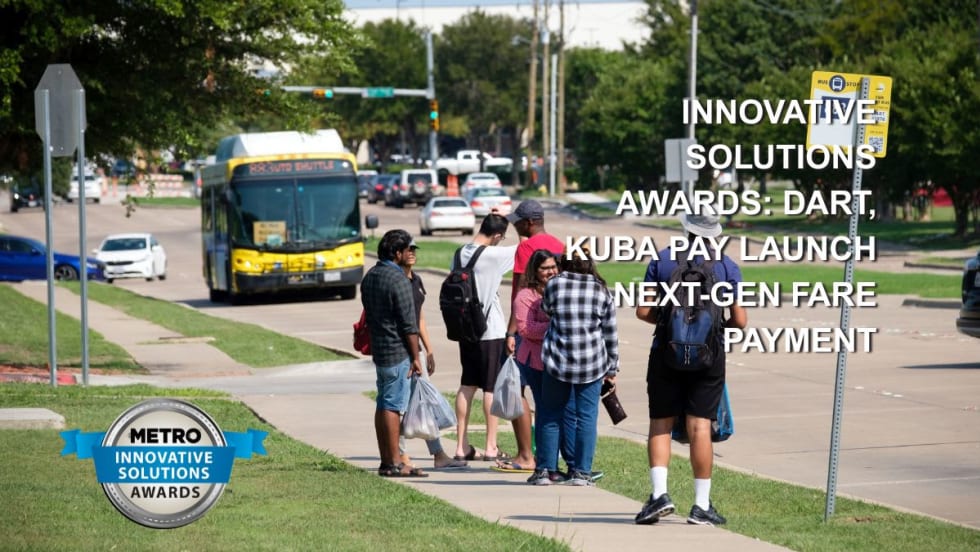
How DART's GoPass Is Redefining Regional Mobility
Serving 14 transit agencies, GoPass simplifies multimodal travel by allowing riders to plan, pay for, and manage an entire trip through one app.
Read More →
Biz Briefs: OCTA Taps Clean Energy for Hydrogen Station, Stadler to Supply Via Rail Vehicles, and More
From manufacturers and suppliers to transit agencies and motorcoach operators, these updates offer a snapshot of the projects, partnerships and business moves driving the industry forward.
Read More →
METRO Magazine Announces 2026 Innovative Solutions Awards Winners
Projects Recognized for Advancing Mobility Through Technology, Accessibility, Workforce Innovation, and Operational Excellence
Read More →
Biz Briefs: STV teams with Amtrak, Motorcoach Operators Boost Fleet and Land Contracts, and More
From manufacturers and suppliers to transit agencies and motorcoach operators, these updates offer a snapshot of the projects, partnerships and business moves driving the industry forward.
Read More →