




RELATED: Fare payment upgrades leverage latest tech advances
Vix Technology to equip Edmonton transit systems with 'smart' ticketing
The 15-year contract that will move the three cities from a cash and paper-based ticketing system to a common contactless fare payment system utilizing an account-based back office.
July 6, 2017
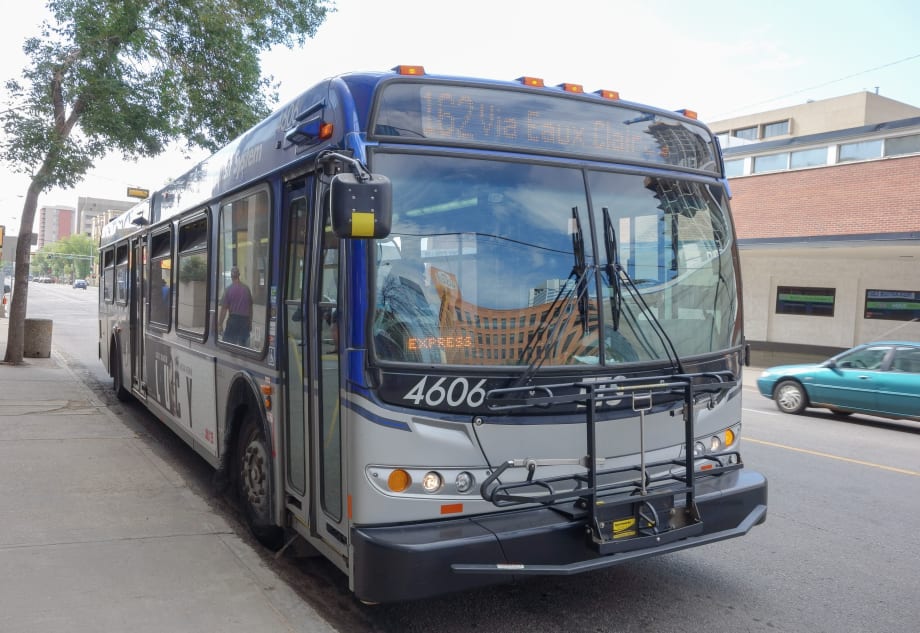
The new system will move fare calculations and settlement to the back office, offer payment convenience for riders and allow the three Edmonton metropolitan region cities’ transit agencies to collect real-time data. Image via Vix.
2 min to read
The new system will move fare calculations and settlement to the back office, offer payment convenience for riders and allow the three Edmonton metropolitan region cities’ transit agencies to collect real-time data. Image via Vix.
Vix Technology has been selected by three city partners in the Edmonton metropolitan region, which includes the City of Edmonton, Strathcona County and City of St. Albert, to implement a new advanced Regional Smart Fare Solution (RSFS).
The RSFS is a 15-year contract that will move the three cities from a cash and paper-based ticketing system to a common contactless fare payment system utilizing an account-based back office. The RSFS initiative is made up of multiple components, and Vix will design, build, operate, and maintain the entire solution, inclusive of front-end equipment, back-office infrastructure, smart card media and more for the duration of the contract.

The city of Edmonton (shown), Strathcona County and city of St. Albert will implement a new advanced Regional Smart Fare Solution. Image via Vix
The Vix solution will move fare calculations and settlement to the back office, offer payment convenience for riders and allow the three Edmonton metropolitan region cities’ transit agencies to collect real-time data. And with the Vix solution, the open architecture platform allows for scalability and integration and a standards-based approach.
This new system will incorporate open payments, which allows riders flexible payment options, including contactless EMV cards, branded retail prepaid cards, or agency or third party-issued transit cards.
Some of the most recent contracts awarded to Vix include a contract by the Malaysian Government’s public transport regulator (SPAD) to unify payments for the country’s multiple transit operators under a single transport ticketing system, and a new, comprehensive fare payment system for the Dallas Area Rapid Transit.
More Technology
Frontrunner Bus Group Introduces XF Low-Floor Bus with Enhanced Accessibility
The new mid-sized bus features a full flat-floor design, eight-inch curbside step-in height, and zero-entry rear ramp to improve passenger access and operational flexibility.
Read More →
Building a Flexible Path to Transit Electrification with BAE's John Hroncich
John Hroncich discusses BAE Systems’ modular and scalable approach, lessons learned from decades of real-world operations, and how agencies can identify electrification strategies that fit their fleets.
Read More →
Scenes from APTA TRANSform & EXPO 2026
Transit leaders, manufacturers, and industry professionals gathered in Chicago to explore new technologies, share ideas, and discuss the future of public transportation.
Read More →
Biz Briefs: New Flyer Secures Additional 100-Bus Order from WMATA and More
In METRO's latest installment, we also take a look at recent news from Masabi, MCI, Samsara, and more partnerships making headlines across the transportation sector.
Read More →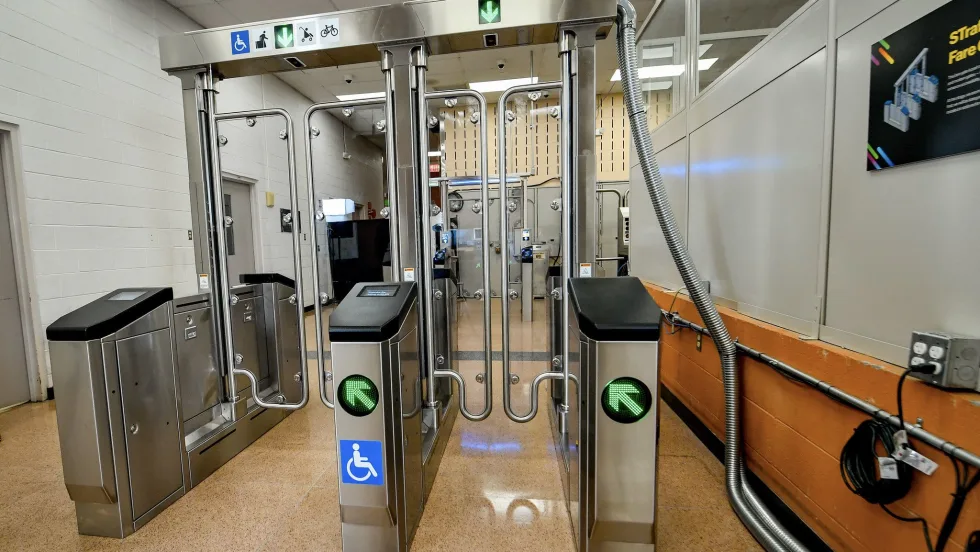
MTA Fare Gate Pilot Reduces Fare Evasion by 35%
Following a 20-station pilot, the agency plans to install new fare gates at 20 additional subway stations as part of a $1.1 billion modernization initiative.
Read More →
California Law Extends AC Transit’s Bus Lane Camera Enforcement
The new law allows AC Transit to continue using forward-facing bus cameras to enforce parking violations in bus-only lanes and at bus stops.
Read More →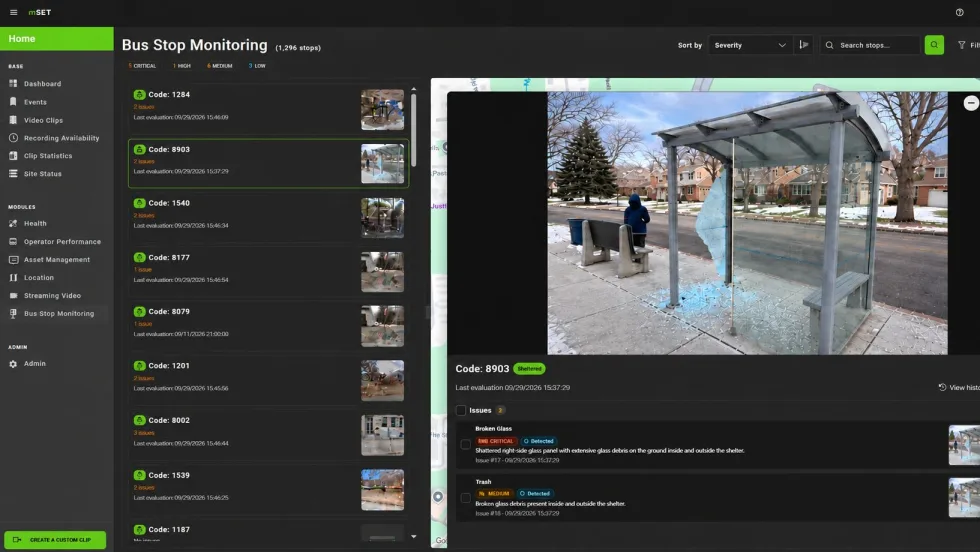
Biz Briefs: Luminator Launches AI Technology to Monitor Bus Stop Conditions and More
In METRO's latest installment, we also take a look at recent news from Masabi, Troman Industries, ioki, CCW, and more partnerships making headlines across the transportation sector.
Read More →
Public Transit Conference Returning to GFX in 2027, Call for Papers Now Open
The Call for Papers is now open, allowing transit agency professionals and industry experts to help shape the PTC educational program by submitting session ideas for consideration.
Read More →
ENC Lands MATA Contract and More in Biz Briefs
In this edition of Biz Briefs, we spotlight the latest developments shaping the future of mobility.
Read More →
Strada360’s Steve Lassey on Turning Transit Data Into Better Decisions
From breaking down data silos to preparing for AI, Strada360 CEO Steve Lassey discusses how transit agencies can use technology to improve operations, customer information, and long-term decision-making.
Read More →