



Wash.'s Link Transit rolls out new suite of online tools for riders
The initiative is the culmination of a nearly two-year long project to equip all Link buses with GPS hardware that allows the bus to be tracked by riders.

Wenatchee, Wash.’s Link Transit is launching a suite of online tools that will give riders more information about where their bus is, let them subscribe to notifications of delays and reroutes, and give them a way to provide feedback on service issues, all from their smartphone.
The initiative is the culmination of a nearly two-year long project to equip all Link buses with GPS hardware that allows the bus to be tracked by riders as well as Link Transit dispatchers and schedulers. Additionally, buses are equipped with automatic passenger counters that record where people get on the bus, and at what time. No personal information is collected through these passenger counters.
Riders can download the free mySTOP Mobile app from the App Store or Google Play. Once they have selected Link Transit from the list of transit systems, they can select their route or their stop to find out where the bus is, and how long it will take to get to their stop.
Aside from the benefits to Link riders from this system, there is a host of information provided through the system that will assist Link in making route and scheduling decisions in the future. Additionally, the technology allows operations staff to monitor route performance in real-time and make on-the-fly adjustments to routes and schedules in case of an accident or other event that will impact the route.
Link Transit partnered with Avail Technologies on the project. Avail Technologies provides intelligent transportation services to small- and medium-sized transit properties throughout the U.S.
More Technology

ETA CEO John Maglio on Transit Technology, Innovation, and Building Agency Trust
ETA founder and CEO John Maglio explores the evolution of transit technology, the importance of reliable systems, and how stronger partnerships can help agencies improve operations and the passenger experience.
Read More →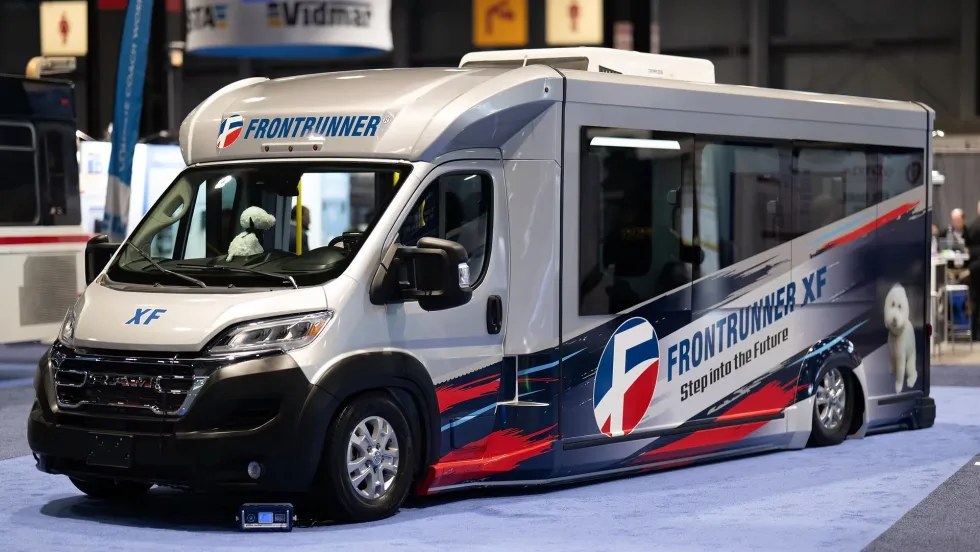
Frontrunner Bus Group Introduces XF Low-Floor Bus with Enhanced Accessibility
The new mid-sized bus features a full flat-floor design, eight-inch curbside step-in height, and zero-entry rear ramp to improve passenger access and operational flexibility.
Read More →
Building a Flexible Path to Transit Electrification with BAE's John Hroncich
John Hroncich discusses BAE Systems’ modular and scalable approach, lessons learned from decades of real-world operations, and how agencies can identify electrification strategies that fit their fleets.
Read More →
Scenes from APTA TRANSform & EXPO 2026
Transit leaders, manufacturers, and industry professionals gathered in Chicago to explore new technologies, share ideas, and discuss the future of public transportation.
Read More →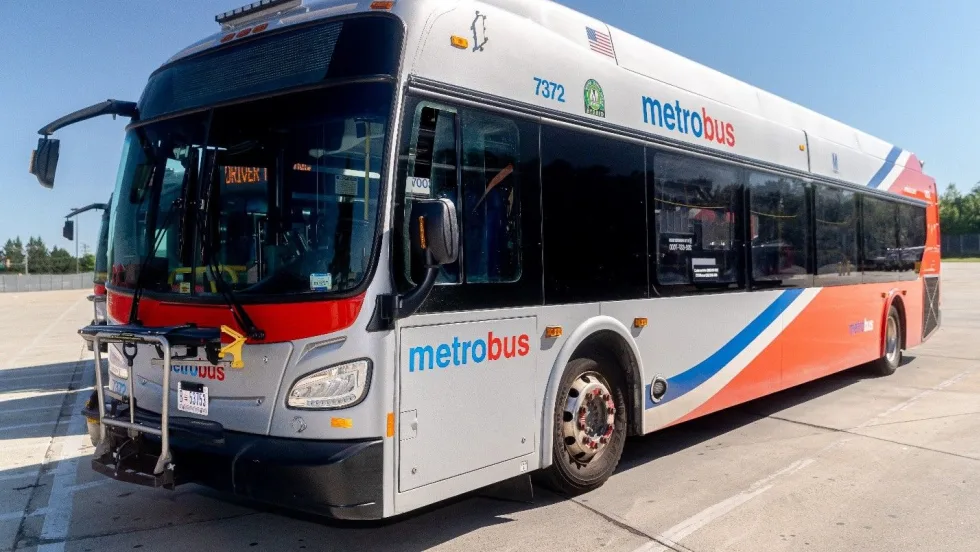
Biz Briefs: New Flyer Secures Additional 100-Bus Order from WMATA and More
In METRO's latest installment, we also take a look at recent news from Masabi, MCI, Samsara, and more partnerships making headlines across the transportation sector.
Read More →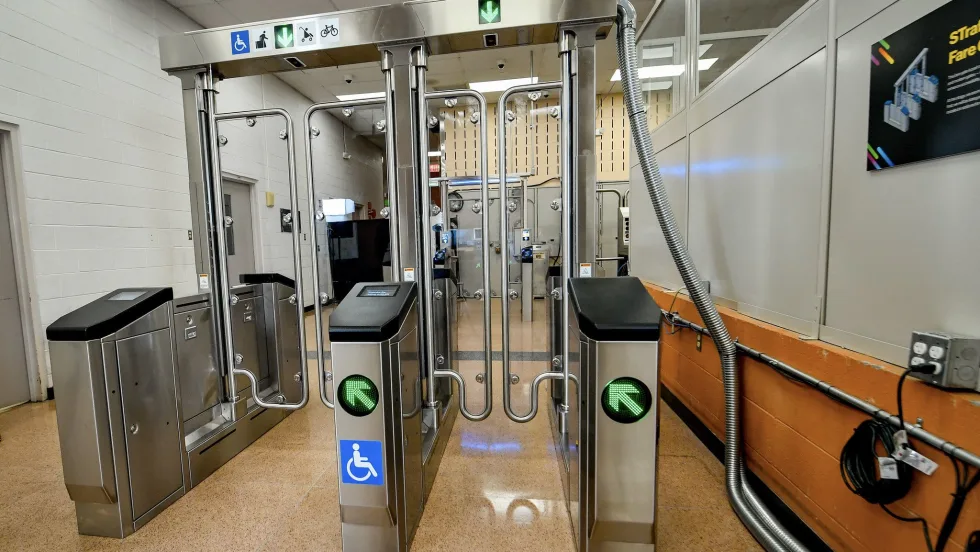
MTA Fare Gate Pilot Reduces Fare Evasion by 35%
Following a 20-station pilot, the agency plans to install new fare gates at 20 additional subway stations as part of a $1.1 billion modernization initiative.
Read More →
California Law Extends AC Transit’s Bus Lane Camera Enforcement
The new law allows AC Transit to continue using forward-facing bus cameras to enforce parking violations in bus-only lanes and at bus stops.
Read More →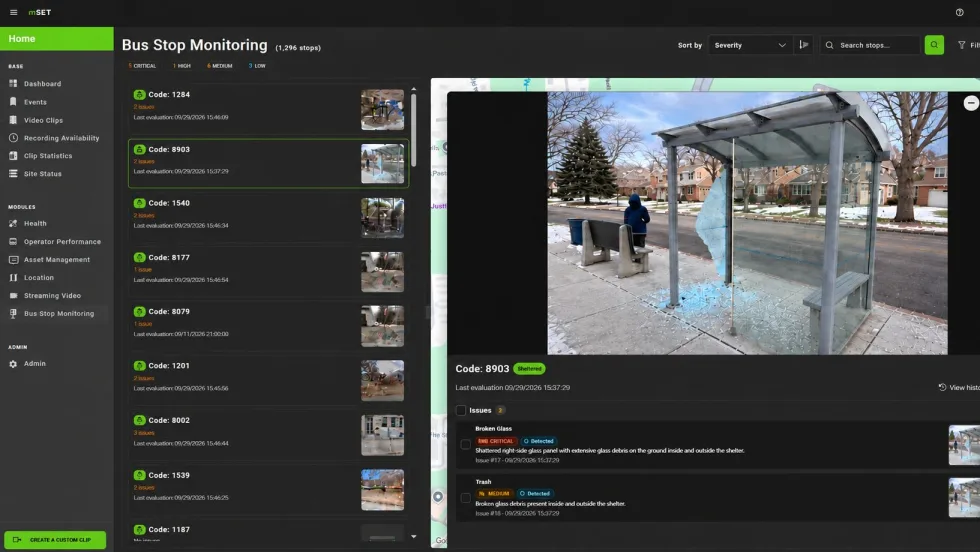
Biz Briefs: Luminator Launches AI Technology to Monitor Bus Stop Conditions and More
In METRO's latest installment, we also take a look at recent news from Masabi, Troman Industries, ioki, CCW, and more partnerships making headlines across the transportation sector.
Read More →
Public Transit Conference Returning to GFX in 2027, Call for Papers Now Open
The Call for Papers is now open, allowing transit agency professionals and industry experts to help shape the PTC educational program by submitting session ideas for consideration.
Read More →
ENC Lands MATA Contract and More in Biz Briefs
In this edition of Biz Briefs, we spotlight the latest developments shaping the future of mobility.
Read More →