



Washington's Pierce Transit Board Sends Transit Funding Measure to November Ballot
With the adoption of Resolution 2026-006, the measure moves to the Pierce County Auditor, giving voters in the Pierce Transit service area the decision on whether to fund an expansion of local transit service within the agency’s service area.


If approved by voters, the measure would change Pierce Transit’s local sales tax from 0.6% to 0.9% — an increase of 0.3%, or 3 cents on every $10 spent on qualifying purchases in the Pierce Transit service area.
METRO
- The Pierce Transit Board adopted Resolution 2026-006, advancing a transit funding measure to the November ballot.
- Voters in Pierce Transit service area will decide on the expansion of local transit services.
- The measure is now forwarded to the Pierce County Auditor for inclusion in the ballot.
*Summarized by AI
Lakewood, Washington’s Pierce Transit board voted to place a measure to maintain and expand transit on the November 3, 2026, general election ballot.
With the adoption of Resolution 2026-006, the measure moves to the Pierce County Auditor, giving voters in the Pierce Transit service area the decision on whether to fund an expansion of local transit service within the agency’s service area.
Pierce Transit’s Proposal
The proposed measure reflects years of community input, ridership data, and long-range service planning.
If approved by local voters, it would fund a package of service improvements that includes:
- New bus routes and special event service.
- More frequent service and shorter wait times.
- Later evening and weekend service.
- Easier transfers and more direct trips.
- Fare-free bus and paratransit service for seniors.
- Expanded paratransit service for people with disabilities.
"Pierce Transit is at a critical moment. Due largely to inflation, our expenses are expected to outpace revenue as early as 2027. Without additional funding, we would continue providing today's level of service for as long as possible, but rising costs would eventually require service reductions,” said Pierce Transit CEO Mike Griffus. “This proposal is the result of extensive community input and thoughtful planning to not only preserve today's service but provide more transit, to more people and places, more often. If approved by voters, the measure would fund a 47% increase in transit service across our service area.”
More About the Measure
If approved by voters, the measure would change Pierce Transit’s local sales tax from 0.6% to 0.9% — an increase of 0.3%, or 3 cents on every $10 spent on qualifying purchases in the Pierce Transit service area.
"The last time Pierce Transit received a sales tax increase was in 2002,” said Pierce Transit Board Vice Chair Rosie Ayala. “To put that into perspective, YouTube and Google Maps didn't exist. Since then, Pierce County has grown 30%, and the need for reliable transit has continued to expand. Providing seniors, young people, and those who rely on transit every day with an affordable and more convenient option to more places more often is at the hands of voters.”
Quick Answers
Resolution 2026-006 aims to present a measure to voters in the Pierce Transit service area regarding additional funding for the expansion of local transit services.
*Summarized by AI
More Management
CATS Launches West Charlotte Microtransit Zone, Expands Transit Services
The new microtransit zone connects residents to key destinations as Charlotte Area Transit System rolls out the first phase of its 2055 Transit System Plan.
Read More →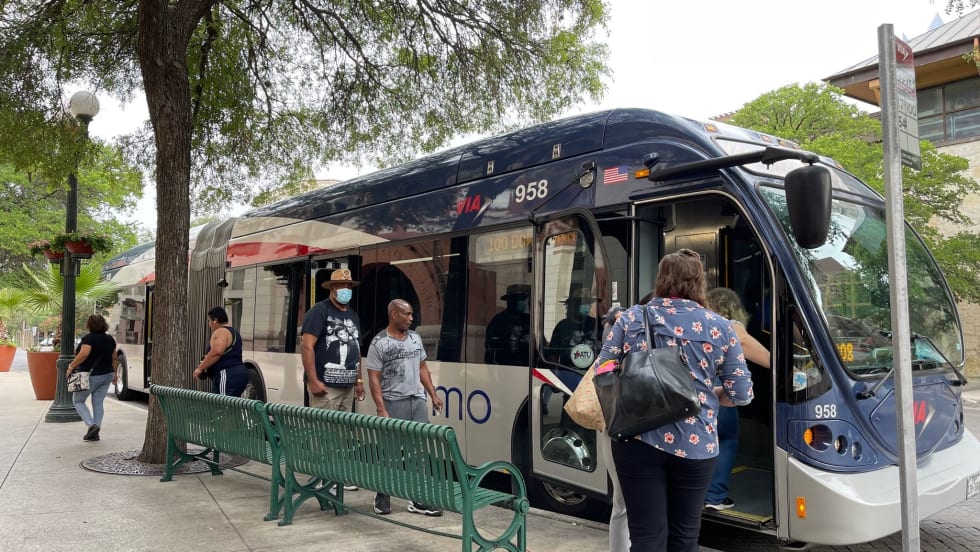
VIA Bus Ridership Grows 10.1% Through August 2026
San Antonio's VIA Metropolitan Transit reported the highest bus ridership growth among major Texas transit systems. Federal Transit Administration data ranked it second among the nation's 50 largest transit systems.
Read More →
CSA Group Releases Climate Resilience Standard for Transit, Passenger Rail
Developed with support from the Standards Council of Canada, CSA D700 guides assessing climate-related risks and planning adaptation measures for transit and passenger rail systems.
Read More →
ETA CEO John Maglio on Transit Technology, Innovation, and Building Agency Trust
ETA founder and CEO John Maglio explores the evolution of transit technology, the importance of reliable systems, and how stronger partnerships can help agencies improve operations and the passenger experience.
Read More →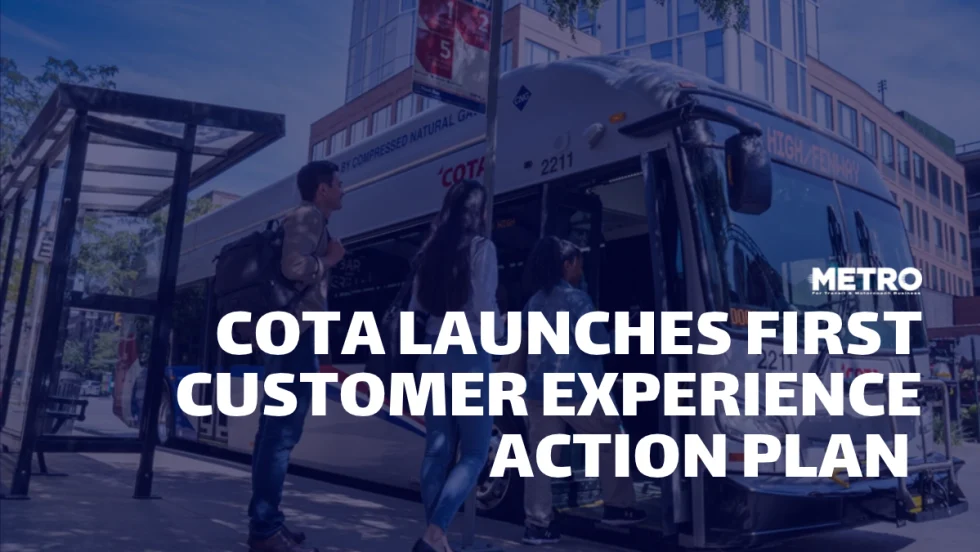
COTA Launches First Customer Experience Action Plan to Improve Transit Service
The new plan outlines improvements to service reliability, accessibility, communication, and the overall rider experience across Central Ohio's transit system.
Read More →
LA Metro September Ridership Climbs 3.9%, Led by Rail Growth
The agency recorded more than 27.2 million boardings, with rail ridership increasing 12.4% year over year and the D Line posting the largest gains.
Read More →
Utilimarc Launches SmartReplace to Optimize Fleet Replacement Decisions
AI-powered SmartReplace helps fleets prioritize vehicle replacements, model budget scenarios, and build more defensible long-term strategies.
Read More →
APTA Honors 2026 Award Winners, Hall of Fame Inductees at TRANSform & EXPO
Innovations in autonomous and zero-emission transportation, standout transit systems, and industry leadership took center stage among this year's honorees.
Read More →
7 Ways to Build a Better Transit Internship Program
Lessons from DRPA/PATCO’s approach to creating a meaningful internship experience—and developing the next generation of transportation professionals.
Read More →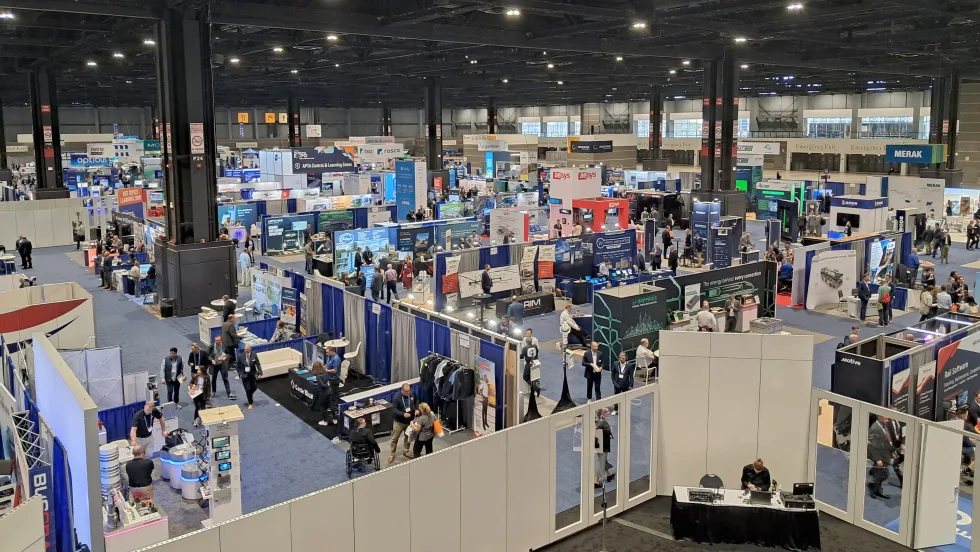
Scenes from APTA TRANSform & EXPO 2026
Transit leaders, manufacturers, and industry professionals gathered in Chicago to explore new technologies, share ideas, and discuss the future of public transportation.
Read More →