



Web Extra: Are university transit fees rising along with ridership?
System operators from Florida, Georgia, Illinois and Connecticut tell us about rapidly increasing ridership numbers and raising fees.

With state budgets being cut back and student enrollment rates rapidly climbing at many universities, we decided to check in with university transit systems across the U.S. and find out if their ridership numbers are going up, by how much, and whether they are raising transportation fees to accommodate the influx.
Here are their responses:
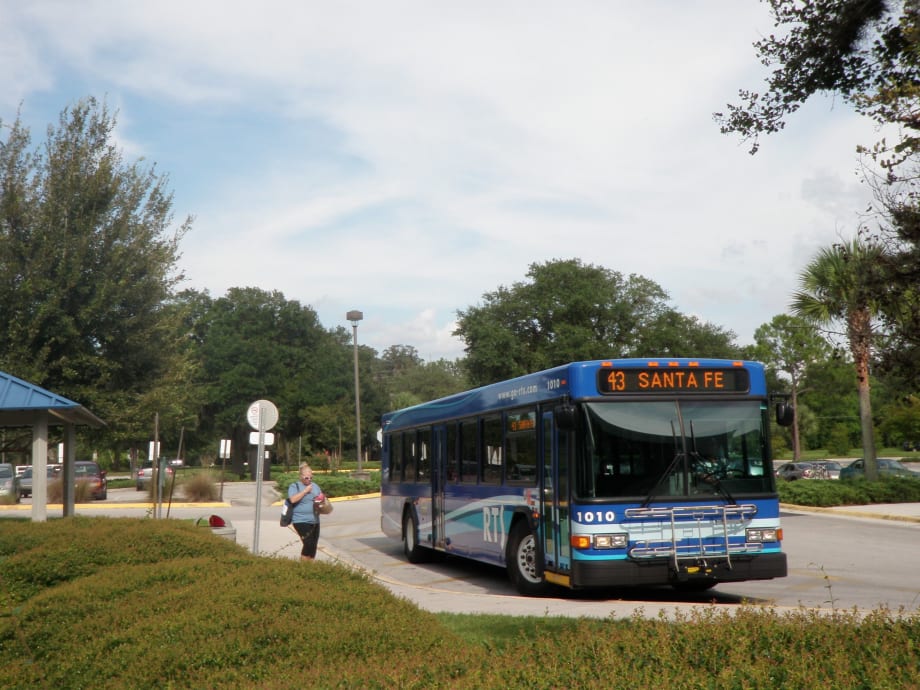
“We have a unique agreement here in Gainesville. The University of Florida (UF) and Santa Fe College (SF) have a ‘transportation fee’ that is attached to each undergraduate credit hour. This allows students at both institutions pre-paid unlimited access to our bus service.
Starting this last August, the UF [transportation] fee went from $7.55 per credit hour up to $7.88 [per credit] hour. This was approved through UF’s transportation fee committee due to the request of additional service by the student body. There was no backlash associated with the increase.
SF started their fee program this Fall at $3.00 per credit hour. Their student government has been pushing for legislation that would allow them to implement this fee for the last decade and got it approved during the Spring of this year. SF’s student body is very positive about our service and is requesting more, so the SF fee will most likely go up in the near future to fund the requests. We do not have plans on raising our rates at this time.”
Chip Skinner, marketing and communications supervisor
Regional Transit System City of Gainesville
Gainesville, Fla.
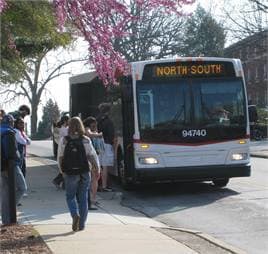
“For this academic year, the student transportation fee was increased by $3 per semester per student, from $103 to $106. The rationale for the increase is increased bus service provided to ease congestion and provide better mobility from one area of campus to other areas, and additionally, to provide funding for an AVL and APC project in the works. We have requested an additional $3 for next school year to provide funding for new service to another campus across town which is being established and will open next year.”
Ron Hamlin, manager
University of Georgia Campus Transit System
Athens, Ga.
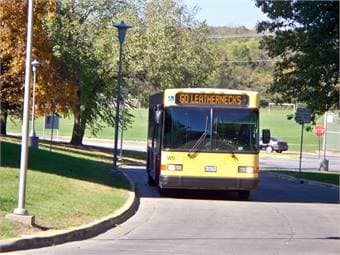
“We have had no raise in any transit fee. [Ridership is] way up. Seventeen percent year over year at this time. We are on track to carry 2.1 million this year — up from 1.8. In addition, we haven’t had a fee increase in six years. In fact, we had a reduction one year. In that time, our counts have doubled. Non-university rides are up from 10,000 in 1999 to 300,000 this year. That was 7% of our ridership then, and near 20% now.”
Jude L. Kiah, director
Go West Transit, Western Illinois University
Macomb, Ill.
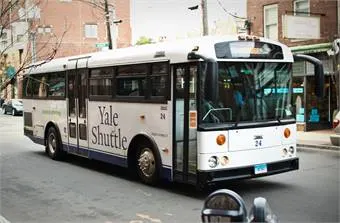
"In our last full Fiscal Year (2010/2011), we provided 1,594,606 day and nighttime shuttle trips. The one prior to that (FY 2009/2010), we provided 1,400,543 day and nighttime shuttle trips."
Holly Parker, director of sustainable transportation systems
Yale University
New Haven, Conn.
Tell us about: Your university transit system's transit fee/ridership challenges in the Comments section.
More Bus
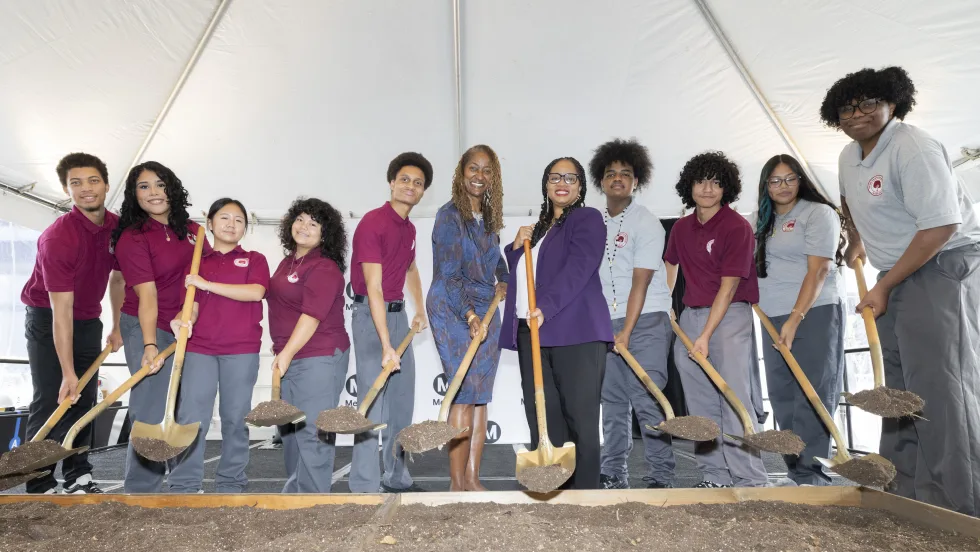
LA Metro Breaks Ground on Vermont BRT Project
The 12.4-mile corridor is projected to serve 66,200 daily riders, reduce travel times by up to 24%, and create the nation's busiest bus rapid transit corridor.
Read More →
Roman Cornell on ABC Companies’ Evolution and the Future of Passenger Transportation
The company’s CEO discusses carrying forward a third-generation family legacy, ABC’s continued evolution in passenger transportation, support for increasingly complex fleets, and how technology and continued investment could help operators improve uptime.
Read More →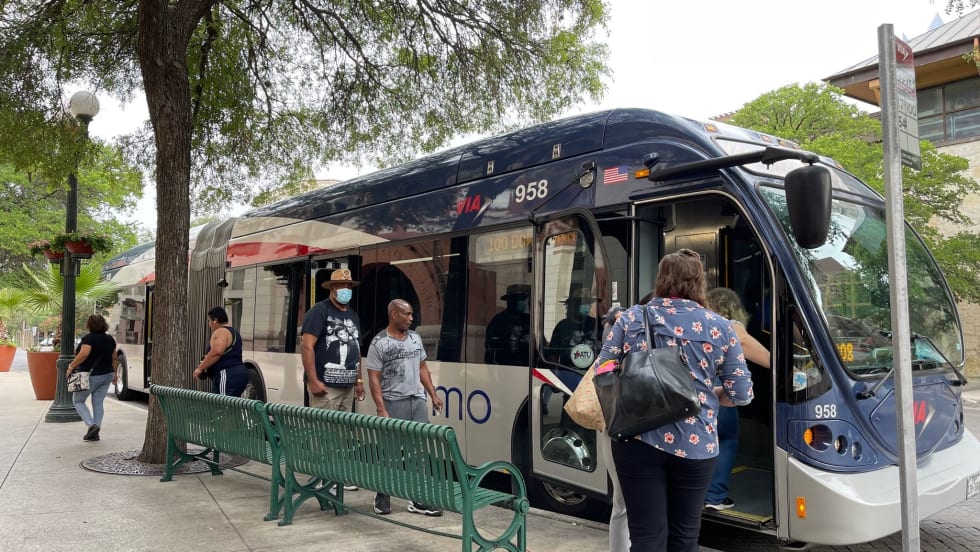
VIA Bus Ridership Grows 10.1% Through August 2026
San Antonio's VIA Metropolitan Transit reported the highest bus ridership growth among major Texas transit systems. Federal Transit Administration data ranked it second among the nation's 50 largest transit systems.
Read More →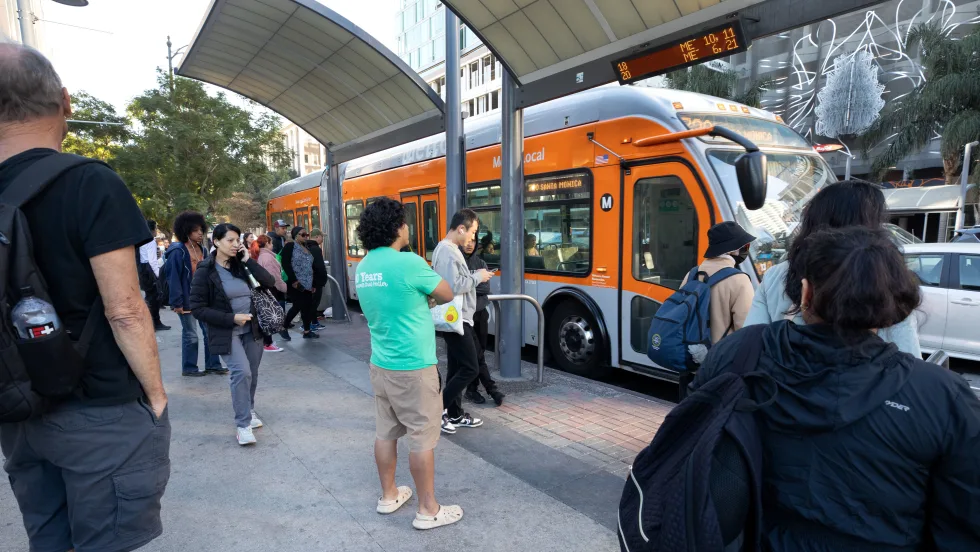
LA Metro September Ridership Climbs 3.9%, Led by Rail Growth
The agency recorded more than 27.2 million boardings, with rail ridership increasing 12.4% year over year and the D Line posting the largest gains.
Read More →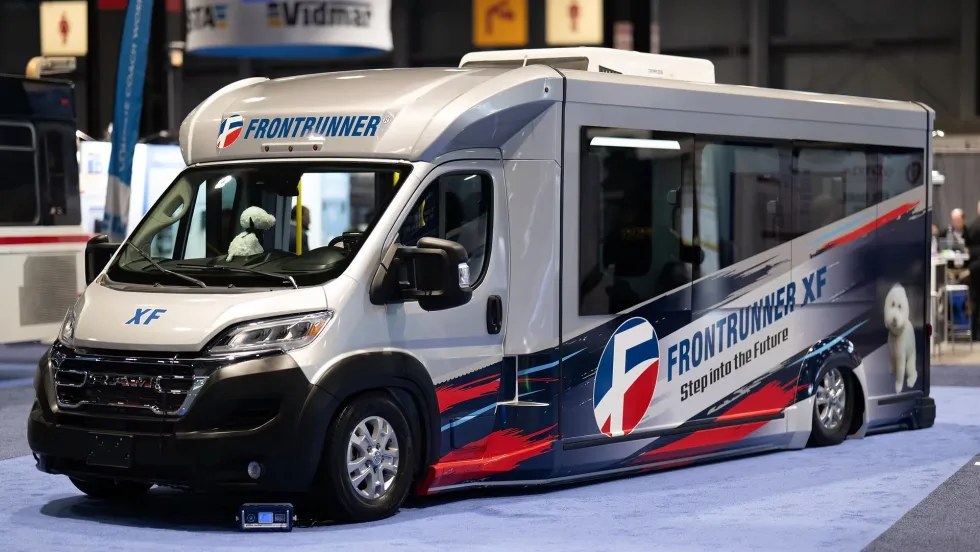
Frontrunner Bus Group Introduces XF Low-Floor Bus with Enhanced Accessibility
The new mid-sized bus features a full flat-floor design, eight-inch curbside step-in height, and zero-entry rear ramp to improve passenger access and operational flexibility.
Read More →
Scenes from APTA TRANSform & EXPO 2026
Transit leaders, manufacturers, and industry professionals gathered in Chicago to explore new technologies, share ideas, and discuss the future of public transportation.
Read More →
More Than a Summer Job: Building the Next Generation of Transit Talent
The Delaware River Port Authority and PATCO have transformed their internship program into a hands-on professional development experience that introduces students to the breadth of transportation careers — and creates a pipeline for future employees.
Read More →
LA Metro Board Awards 220 Battery-Electric Bus Contract to ENC
The contract, which is the largest base award of battery-electric buses by a U.S. transit agency, will be built in Southern California, sustaining good jobs as LA prepares to welcome the world in 2028
Read More →
Public Transit Conference Returning to GFX in 2027, Call for Papers Now Open
The Call for Papers is now open, allowing transit agency professionals and industry experts to help shape the PTC educational program by submitting session ideas for consideration.
Read More →
Indian River Transit’s Community-Focused Approach Earns National Recognition
Named APTA’s 2026 Outstanding Public Transportation System in its size category, Florida’s Indian River County transit system continues to grow ridership through fare-free service and a focus on evolving community needs.
Read More →