



Web Extra: IndyGo, IUPUI S-Pass program enters third year
All students are eligible for the annual passes, with the funds coming from a general fee assessed to the students by IUPUI. Usage has continued to grow each year, doubling from 12,534 in June 2008 to 25,869 in June 2010.

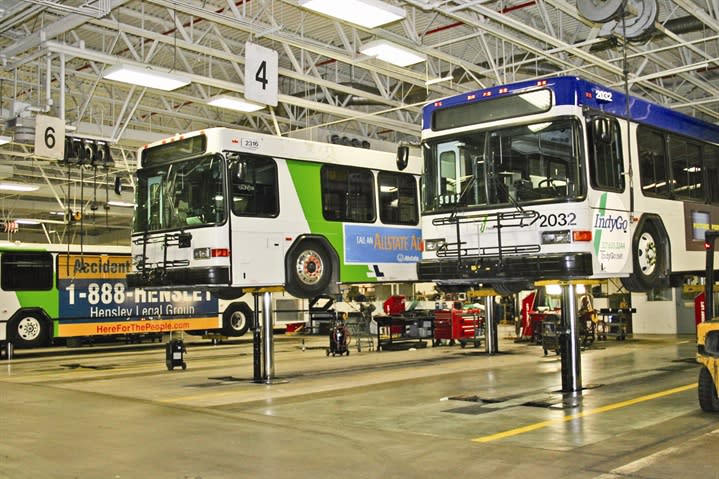
The S-Pass program, delivered by IndyGo through a partnership with IUPUI, enables students year-round access to all of IndyGo's fixed-route services.
[IMAGE]IndyGo.jpg[/IMAGE]The S-pass, a joint program by the Indiana Public Transportation Corp. (IndyGo) and the Indiana University-Purdue University Indianapolis (IUPUI) that enables students to take advantage of unlimited rides on IndyGo's 29 fixed-route buses, is rolling into its third year.
The program started out of several discussions and meetings between the IUPUI, which has approximately 30,000 students who are mostly commuters, and IndyGo, explained Sarah Knight, IndyGo's manager, marketing and communications.
"While our transit system is not the most robust, the campus is practically downtown and has four IndyGo fixed routes serving/running through campus," Knight said. "Numerous transit agencies have university pass programs and, since IUPUI is a large university in the urban center of downtown Indianapolis, the partnership seemed to be a natural."
In 2006, the agency launched a circulator linking the downtown center and the campus, which served as a great way to get students and faculty used to mass transit, albeit by short trips. In 2007, IndyGo and IUPUI finalized its first agreement to provide transit for all students, using all fixed routes, excluding paratransit and express services.
"For IndyGo, it's a way to develop and grow ridership, especially a new generation of riders that had grown accustomed to cars, not buses," explained Knight. "For the university, they see it as a way to relieve parking stress, provide mobility to those living on campus as well as a sustainable initiative."
IndyGo charges the IUPUI $200,000 annually for the program. All students are eligible for the annual passes, with the funds coming from a general fee assessed to the students by IUPUI. IndyGo does not offer any other annualized passes, — the longest term pass is 31-days — however, last year, it launched the 31-day S-pass program for other area colleges and universities to purchase passes at a discount and either sell back, sell at a discount or give to their students, explained Knight.
S-Pass has continued to grow each year, with usage doubling from 12,534 in June 2008 to 25,869 in June 2010. Knight said the obstacle is making sure the students know about the program.
"What's nice about this school year is that the IUPUI S-Pass was mailed to approximately 20,000 students, along with their purchased parking permits," she said. "Students who do not get the IUPUI S-Pass in the mail can stop by the JagTag office or Campus Parking Services to pick one up."
More Bus
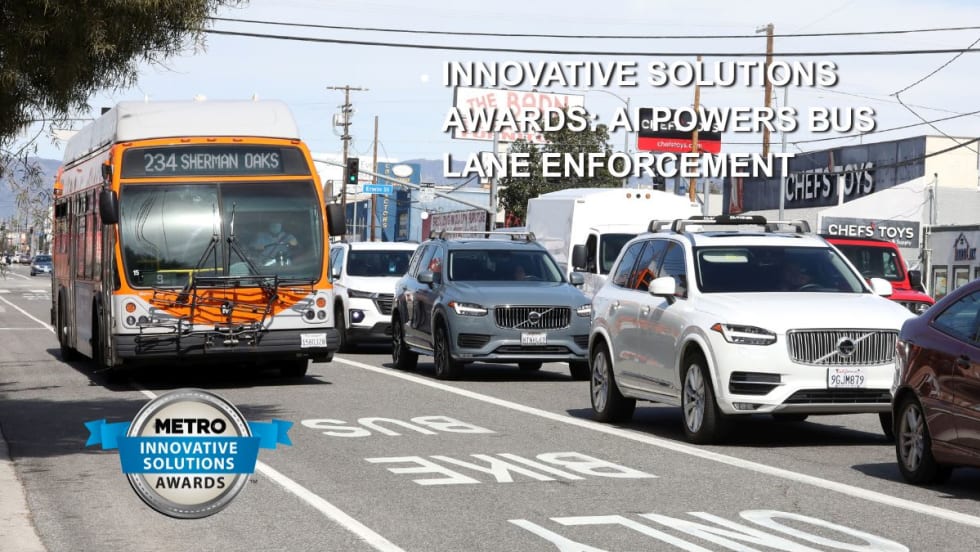
LA Metro, City of West Hollywood, and Partners Advance Smarter Bus Lane Enforcement
The award-winning partnership combines AI-powered detection with human oversight to improve bus reliability, accessibility, and enforcement efficiency.
Read More →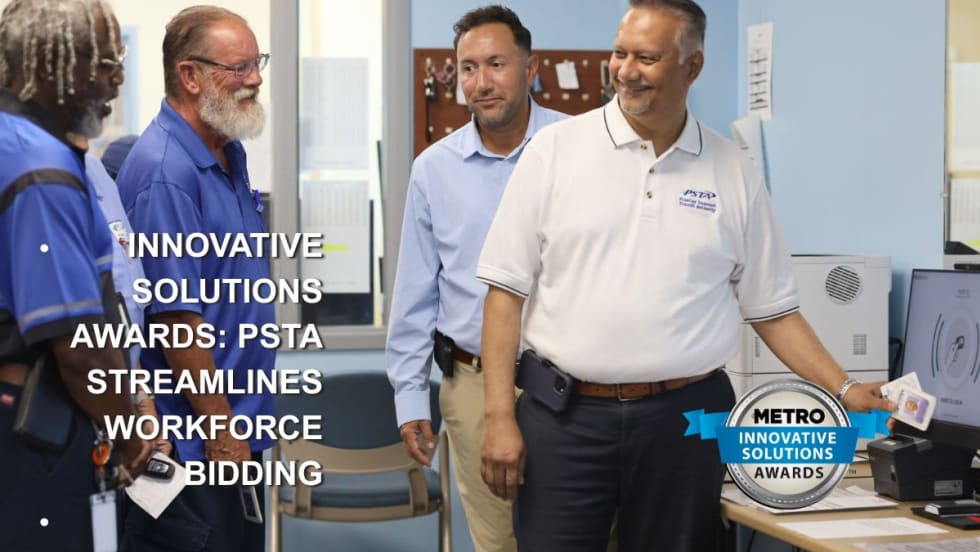
PSTA Modernizes Workforce Management with Digital Bidding System
The award-winning Workforce Transit Modernization project replaced paper bidding with a transparent digital platform, cutting administrative effort while improving access for operators.
Read More →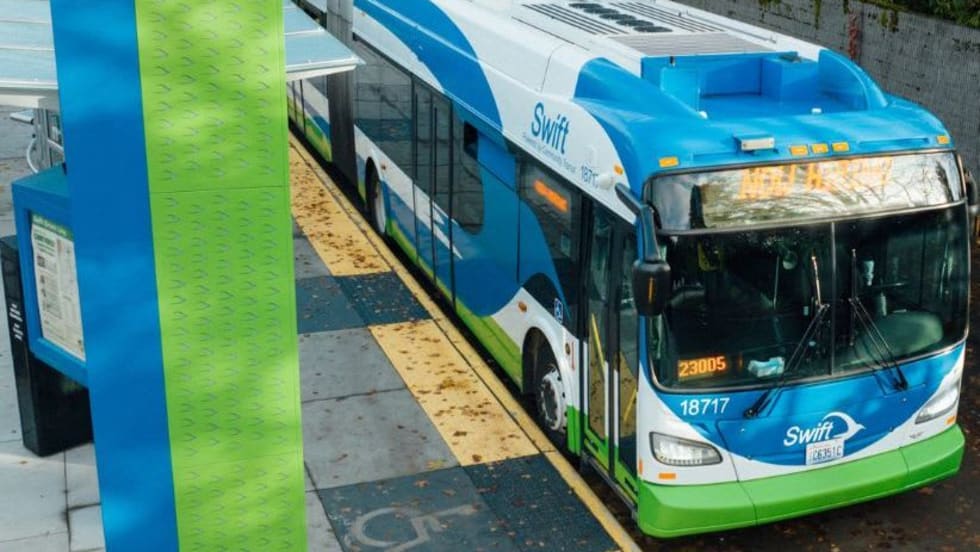
Washington's Community Transit Sets Six-Year Roadmap for Growth, Expansion
Approved TDP targets more bus service, new mobility options, Swift BRT expansion, and a potential Everett Transit annexation.
Read More →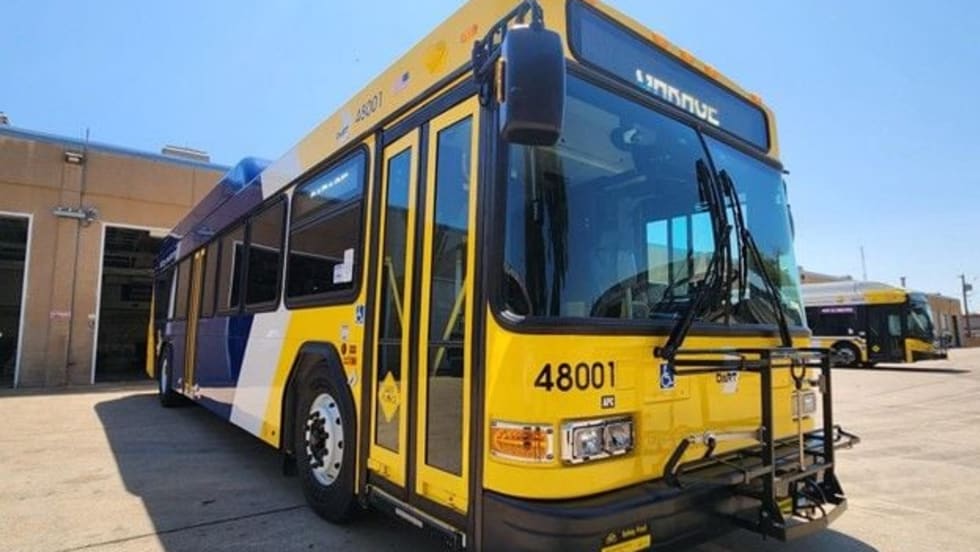
DART Customer Satisfaction Reaches Six-Year High
Overall satisfaction rose to 74.9%, while the agency’s Net Promoter Score reached a record 33.7.
Read More →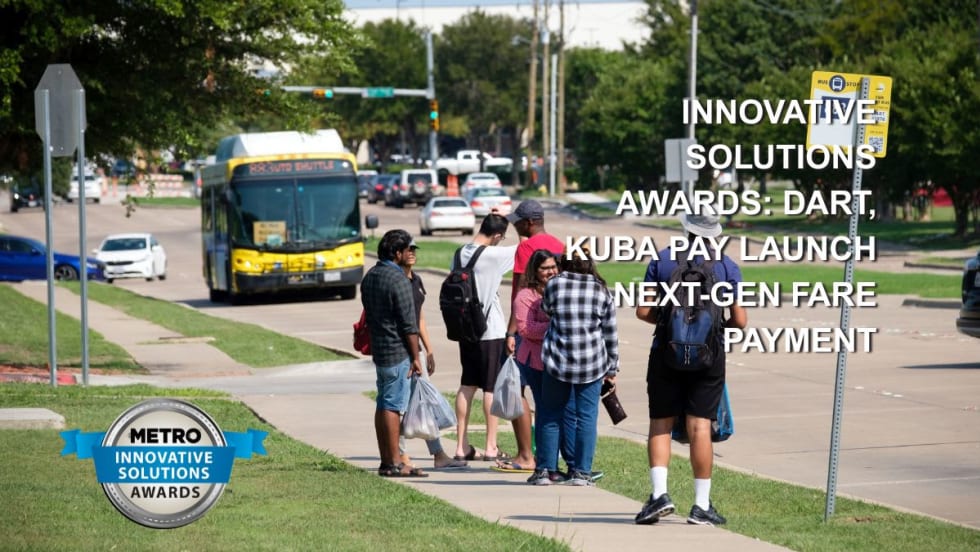
How DART's GoPass Is Redefining Regional Mobility
Serving 14 transit agencies, GoPass simplifies multimodal travel by allowing riders to plan, pay for, and manage an entire trip through one app.
Read More →
Biz Briefs: OCTA Taps Clean Energy for Hydrogen Station, Stadler to Supply Via Rail Vehicles, and More
From manufacturers and suppliers to transit agencies and motorcoach operators, these updates offer a snapshot of the projects, partnerships and business moves driving the industry forward.
Read More →
METRO Magazine Announces 2026 Innovative Solutions Awards Winners
Projects Recognized for Advancing Mobility Through Technology, Accessibility, Workforce Innovation, and Operational Excellence
Read More →
Biz Briefs: STV teams with Amtrak, Motorcoach Operators Boost Fleet and Land Contracts, and More
From manufacturers and suppliers to transit agencies and motorcoach operators, these updates offer a snapshot of the projects, partnerships and business moves driving the industry forward.
Read More →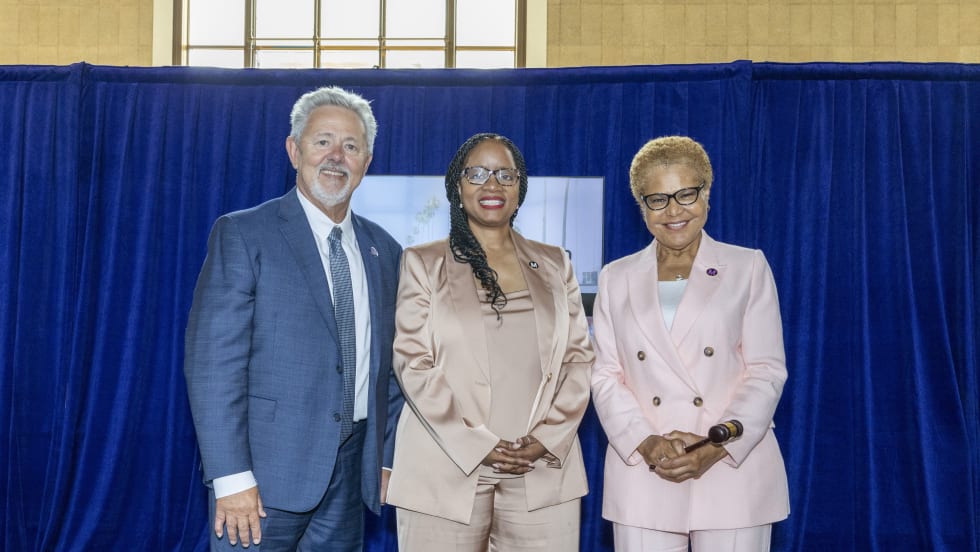
LA Metro Marks Banner Year, Sets Ambitious Goals for New Fiscal Year
Incoming LA Metro Board Chair and Los Angeles Mayor Karen Bass joined outgoing Board Chair Fernando Dutra and LA Metro CEO Stephanie Wiggins to review accomplishments from fiscal year 2026, which included the opening of new rail extensions, advancement of major transit projects, expanded safety programs, and new rider amenities.
Read More →
DART Taps Nathaniel P. Ford Sr. as Next President/CEO
Since 2012, Ford has served as the CEO of the Jacksonville Transportation Authority
Read More →