



WMATA donates buses to Biodiesel U.
Recycled vehicles become mobile energy education labs.

Washington Metropolitan Area Transit Authority (Metro) will donate the last of its dirtiest emissions transit buses to Biodiesel University, a nonprofit affiliated with the University of Maryland, which is dedicated to providing hands-on renewable energy experiences and inspiring students to pursue careers in science and technology.
The four buses will be recycled into mobile teaching laboratories and will travel to schools, colleges and public events in the Washington, D.C. region and beyond.
“The mobile labs we are building will be part classroom, part hands-on science center, and part theme park ride, packaged in a field trip that comes to you,” said Dan Goodman, Biodiesel University founder and executive director.
Each lab will include a hands-on feedstock section, where visitors learn about dozens of renewable sources for biodiesel. An on-board, state-of-the-art biodiesel processing unit will manufacture up to 250 gallons per day. This fuel will power the mobile lab as well as other vehicles and equipment at the sites it visits.
Students from regional colleges and universities, including the University of Maryland and the Maryland Institute College of Art, have been designing the mobile labs and their contents since late 2006 as part of a multi-institutional collaboration. The first lab is projected to be operational by the end of 2008.
More Management
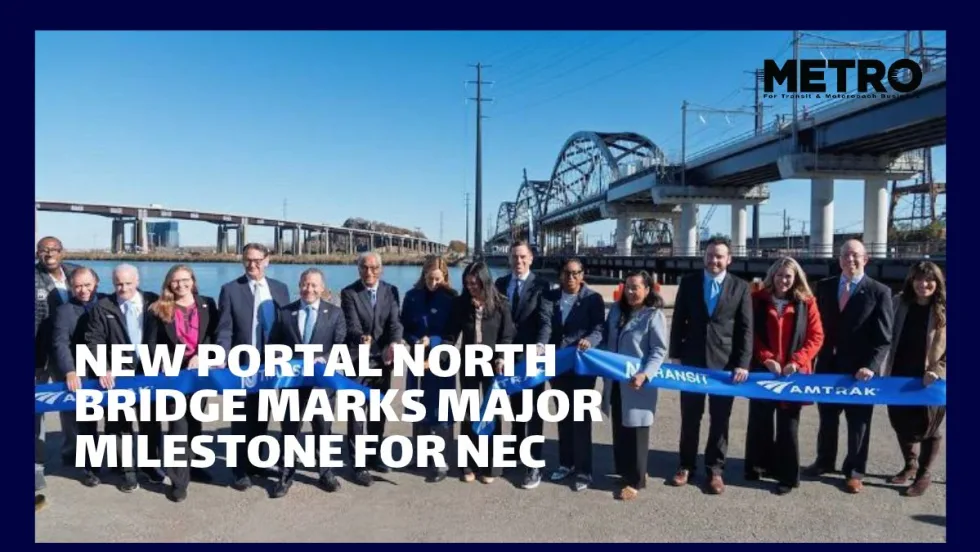
Amtrak, NJ TRANSIT Launch Full Service on New Portal North Bridge
The completion of the two-track bridge over the Hackensack River eliminates a longstanding source of delays for NJ TRANSIT and Amtrak customers. It marks a major milestone for the Gateway Program.
Read More →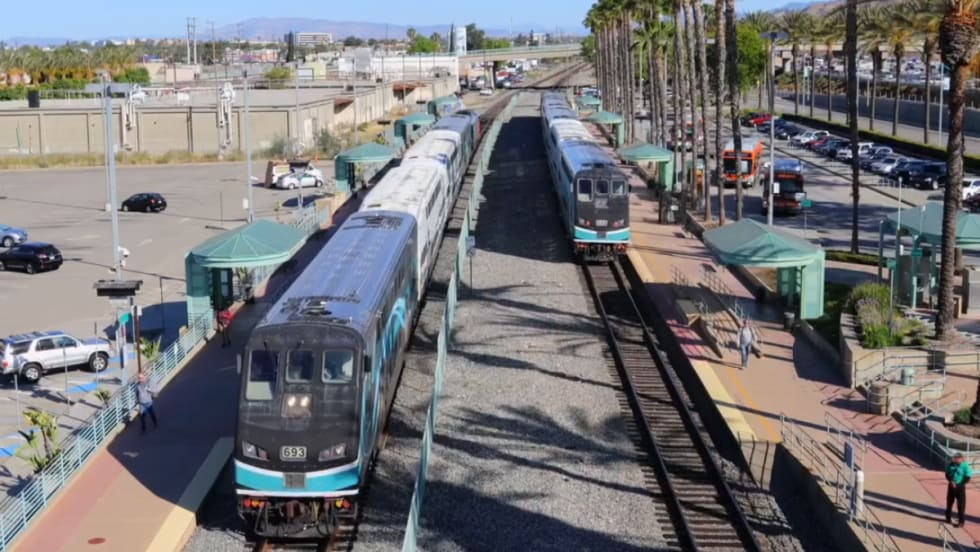
Southern California’s Metrolink Approves $508.8M Budget, Avoids Service Cuts
A $20 million state allocation allows the regional rail agency to maintain existing weekday and weekend service through fiscal year 2028, although longer-term funding challenges remain.
Read More →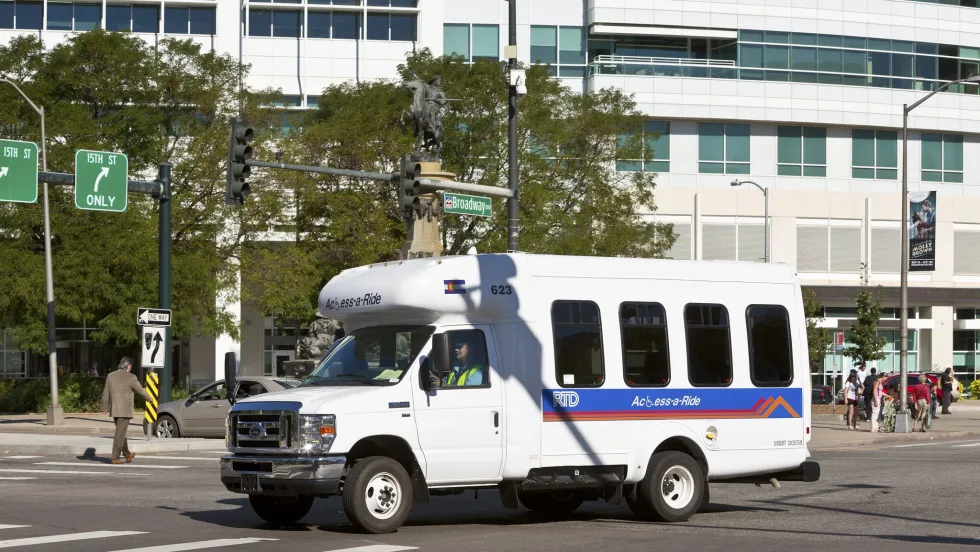
Denver RTD Committee to Review Paratransit Services, Improve Accessibility
The committee will oversee an independent study of paratransit operations, gather customer feedback, and recommend improvements to service reliability, accessibility, and accountability.
Read More →
Castro to Lead RTC of Southern Nevada and More in People Movement
In this edition, we also cover recent appointments and announcements at the STV, MCI, and more, showcasing the individuals helping to shape the future of transportation.
Read More →
STraffic Expands North American Presence with Fare Collection Technology
John Moon, Associate Director, Product Strategy at STraffic, discusses the company's growth in North America, its efforts to reduce fare evasion, and more.
Read More →
Study: Denver RTD Generates $2.1 Billion in Annual Economic Activity
An economic impact study finds the agency supports approximately 17,500 jobs, delivers $1.6 billion in annual community and mobility benefits, and generates $2.42 in economic value for every dollar invested.
Read More →
Mark Aesch Nominated to Lead Federal Transit Administration
The former Rochester transit chief and TransPro founder, who has also contributed to METRO Magazine, brings decades of industry experience and a focus on performance, accountability, and financial sustainability to the nomination.
Read More →
Best and Worst U.S. Cities for Public Transportation in 2026
A new analysis of 50 major U.S. urban areas ranks public transit systems based on accessibility, affordability, usefulness, and safety, highlighting where transit performs best and where challenges remain.
Read More →
Laketran Cuts Fuel Costs, Boosts Efficiency with Propane-Powered Fleet
The Ohio transit agency is using propane-powered vehicles and on-site fueling infrastructure to cut fuel and maintenance costs while meeting growing demand for paratransit services.
Read More →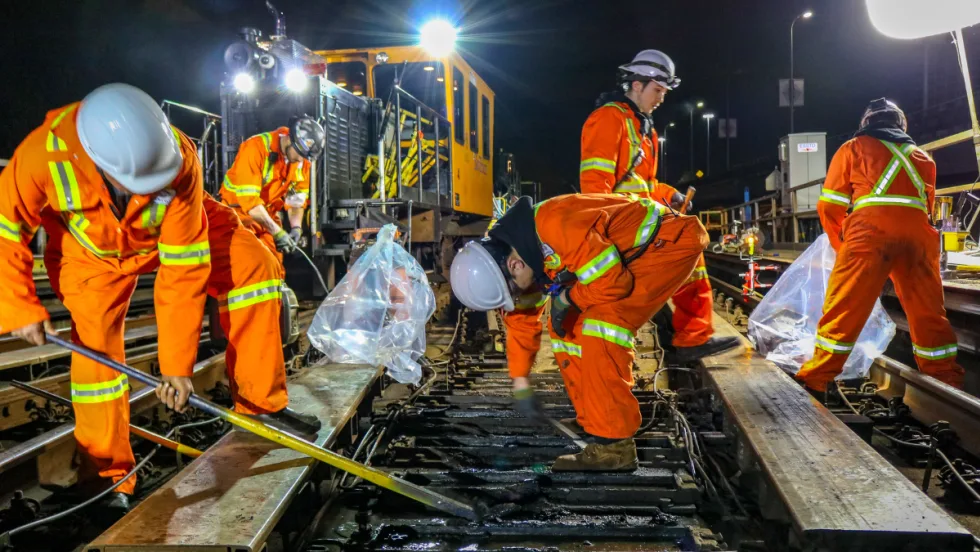
Canada’s Public Transit Supports $65.6 Billion in Annual GDP
New research from the Canadian Chamber of Commerce examines transit's economic contributions, including job creation and the financial implications of transportation investment.
Read More →