
Metro Magazine

 MENU
MENU SEARCHMENUSEARCH
The event, a new initiative from the UITP Foundation Youth for Public Transport, brought together computer programmers, designers, developers, and more to collaborate on innovative and sustainable solutions to transport problems.
Read More →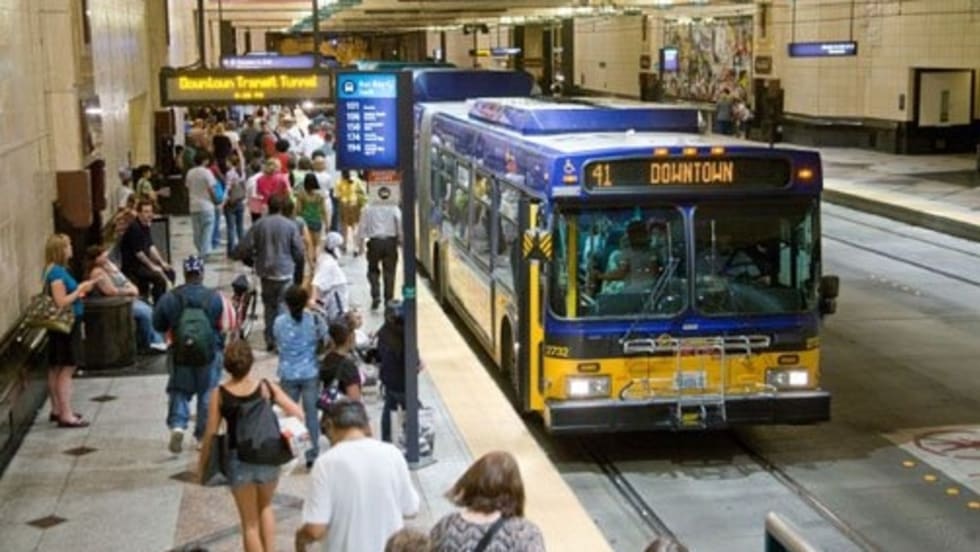
The initiative, which will be lead by the Shared-Use Mobility Center, will focus on helping recipients of FTA’s Mobility On Demand Sandbox program funding demonstrate innovative transportation solutions in 11 cities across the U.S.
Read More →
The innovative and fully-integrated system was designed entirely in-house at Prevost and eliminates the belt-driven fan, thereby reducing the engine horsepower required to operate.
Read More →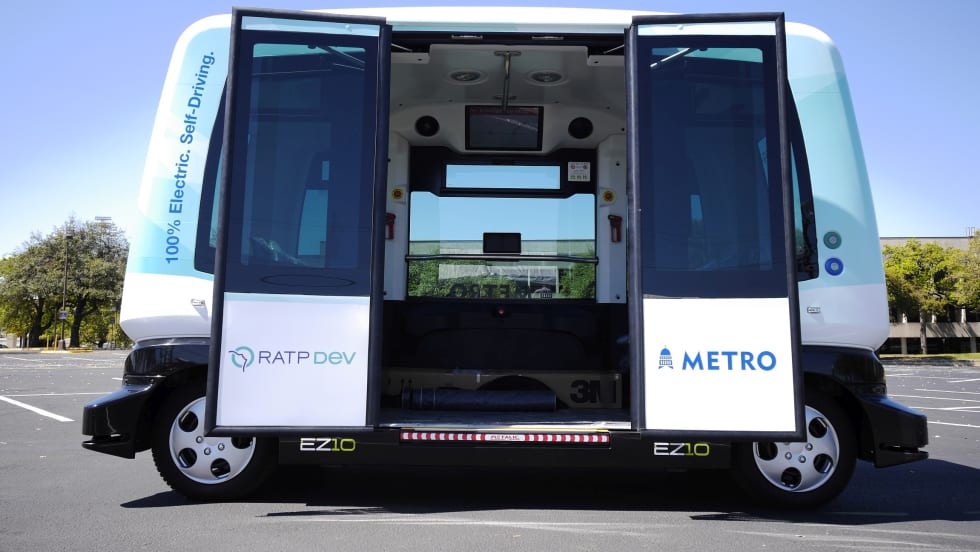
The demonstration, which will be held March 16 to 17 on the campus of The University of Texas at Austin, is designed to illustrate how Capital Metro and RATP Dev are working together to provide new and innovative ways for people to move around Austin, while helping to reduce emissions that can damage the environment.
Read More →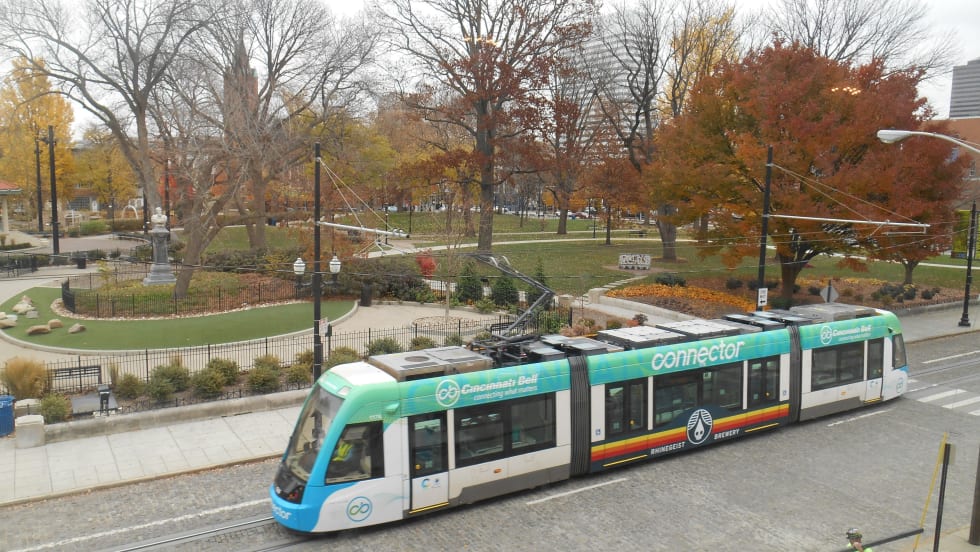
For the first time since 1951, streetcars are providing convenient and affordable public transportation in downtown. The 3.6-mile Cincinnati Bell Connector is the first fully low-floor system in the U.S.
Read More →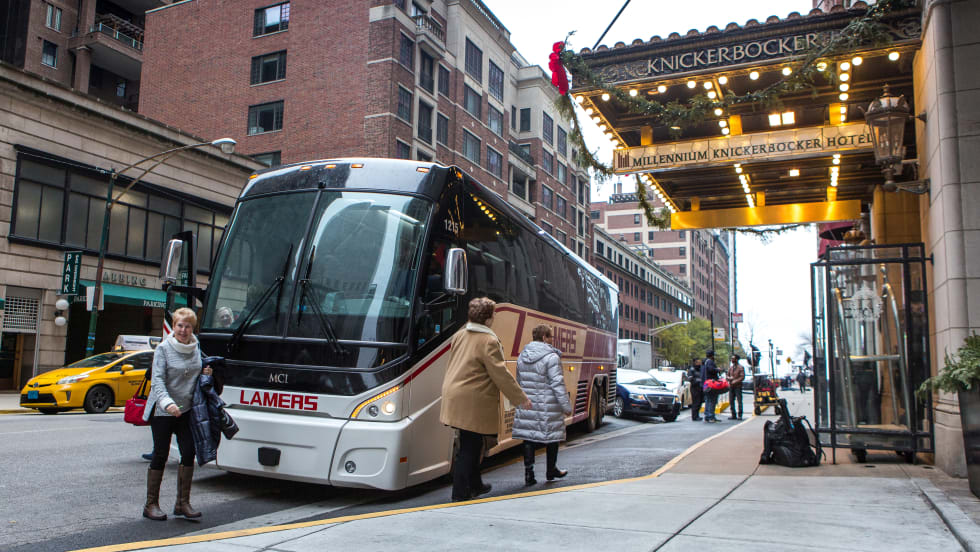
While Lamers prides itself on implementing new technology and programs to make travel better for its customers, that ideal is carried over by the work it puts into training drivers.
Read More →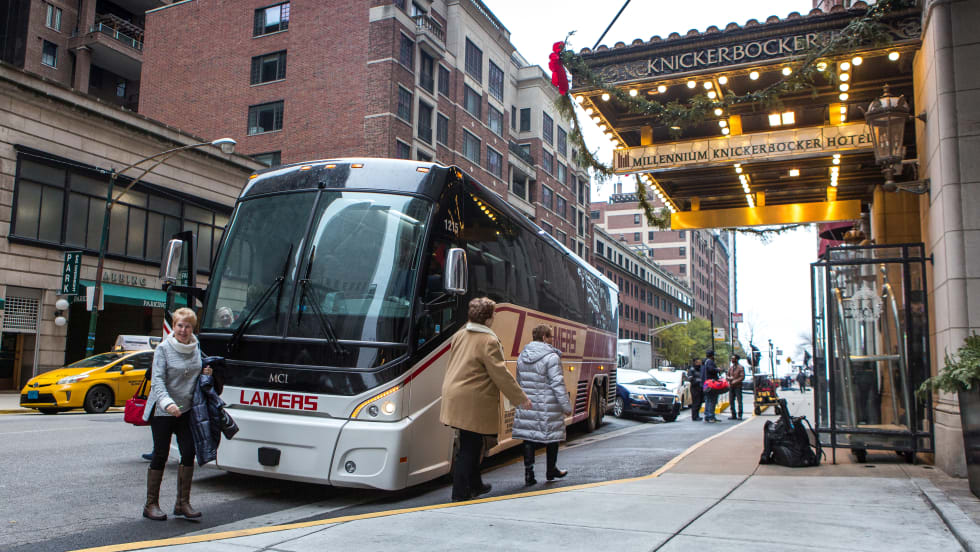
Corporate Secretary Kevin Lamers was on hand to accept the award at this year's ABA Marketplace in Cleveland.
Read More →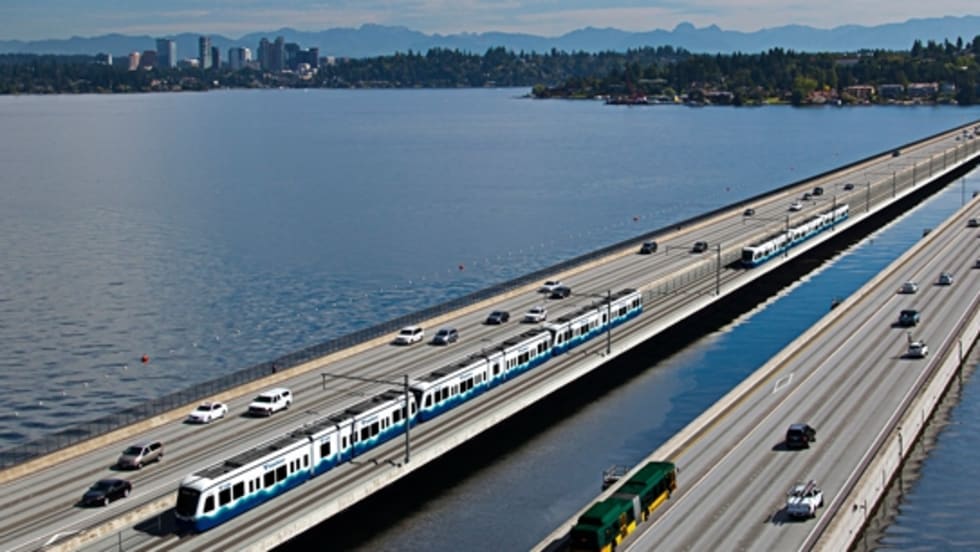
Transportation Secretary Anthony Foxx launched the Build America Bureau earlier this year to provide a one-stop-shop for state and municipal governments to find innovative solutions to funding critical infrastructure projects.
Read More →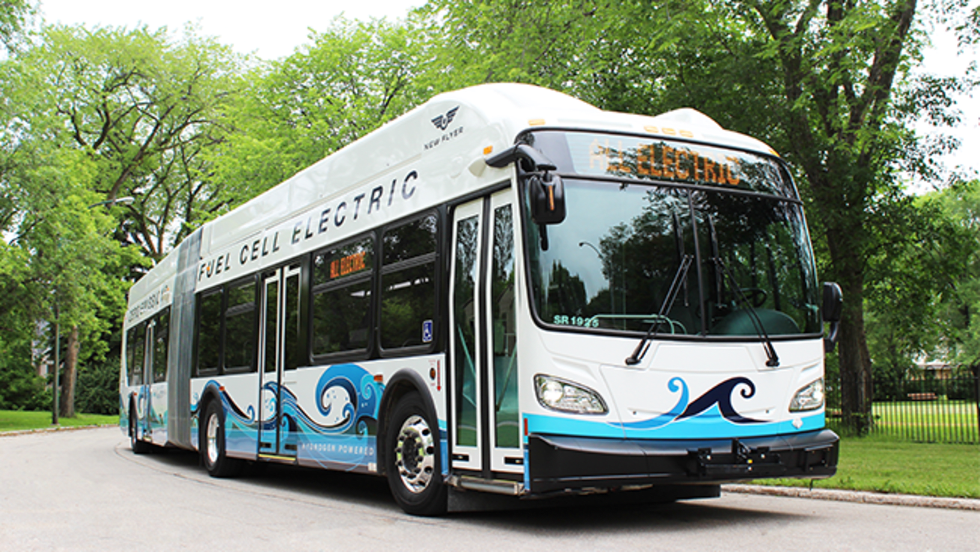
The innovative XE60 battery-electric bus, and its sister XHE60 hydrogen fuel-cell bus, are both powered by Siemens electric motors with rechargeable lithium-ion battery technology manufactured in Michigan.
Read More →
It is the early 2000s, and as the sun rises over Southern California, most people are still fast asleep. Kristian Mendoza, however, is up and getting ready for work. He doesn’t have to be in until eight, but his commute can sometimes take up to an hour-and-a-half each way. This job pays so little that he can barely afford the gas to commute to it, let alone provide the time and care he would like for his two young children.
Read More →