
Metro Magazine

 MENU
MENU SEARCHMENUSEARCH
The agency’s decision follows the lead of the San Francisco Municipal Transportation Agency, which also banned cannabis ads on its vehicles and properties last month.
Read More →
The 39 buses have been delivered to GRT, with the remaining 9 BRT buses scheduled for delivery in 2018.
Read More →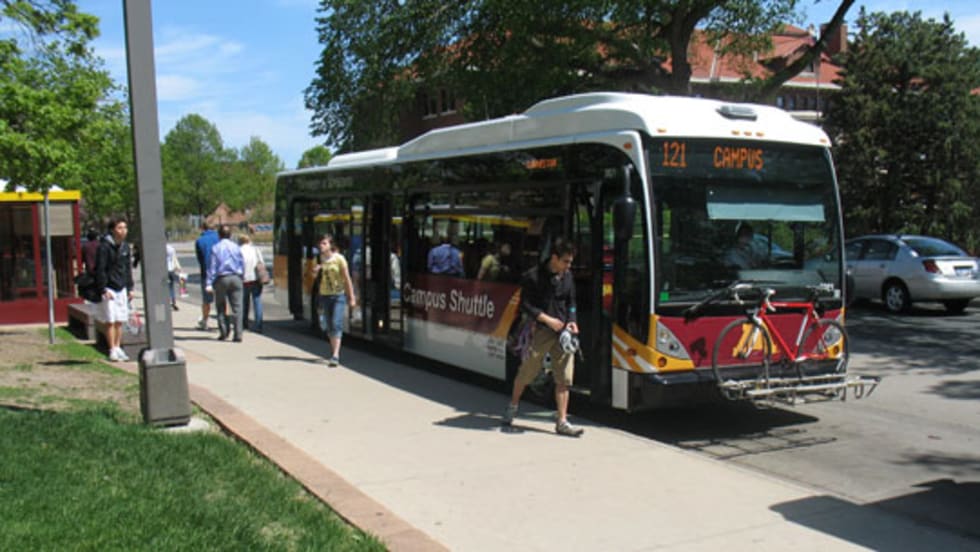
Will provide maintenance, operations, and staffing for 27 buses, carrying more than four million passengers annually for both campuses in Minneapolis and St. Paul.
Read More →
The buses will be deployed in 2018 on Columbia University's Intercampus Shuttle network, operating between locations in Manhattan, New Jersey, and Rockland County.
Read More →
In its partnership with CARB, SunLine will be testing one full-year of revenue service, measuring environmental impact and sustainability of the fuel cell-powered heavy-duty transit buses.
Read More →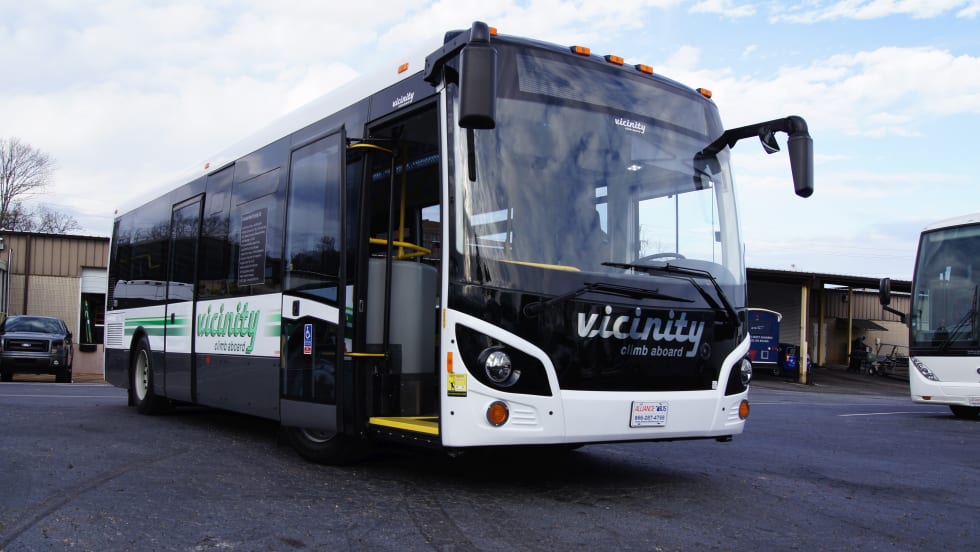
The 15 Vicinity buses will be delivered to the Société de transport du Saguenay, the Société de transport de Lévis, and the Société de transport de Trois-Rivières.
Read More →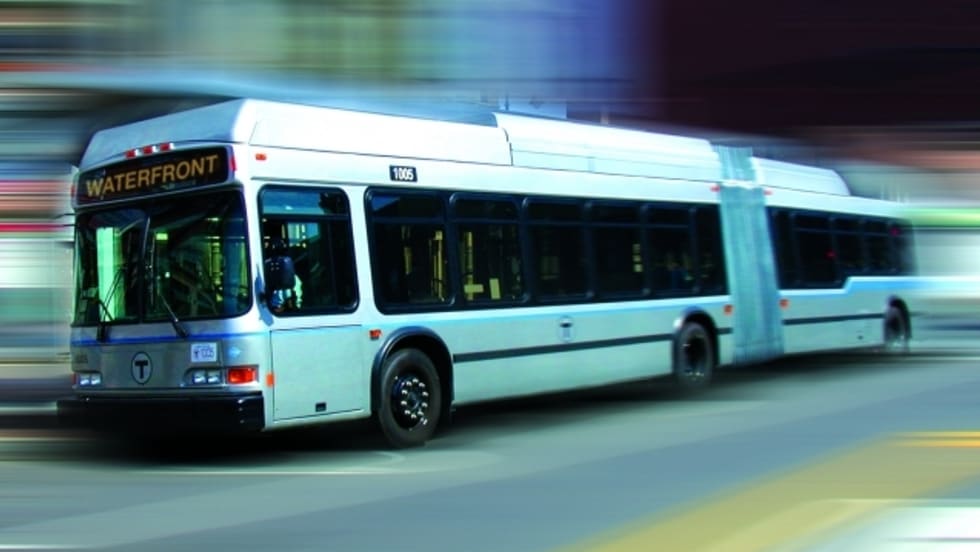
The pilots will include a combination of dedicated bus-only lanes that take bus riders out of car congestion, technology to time traffic signals so that buses get more green lights, and platforms that allow riders to “level-board” the bus quickly as they would a subway.
Read More →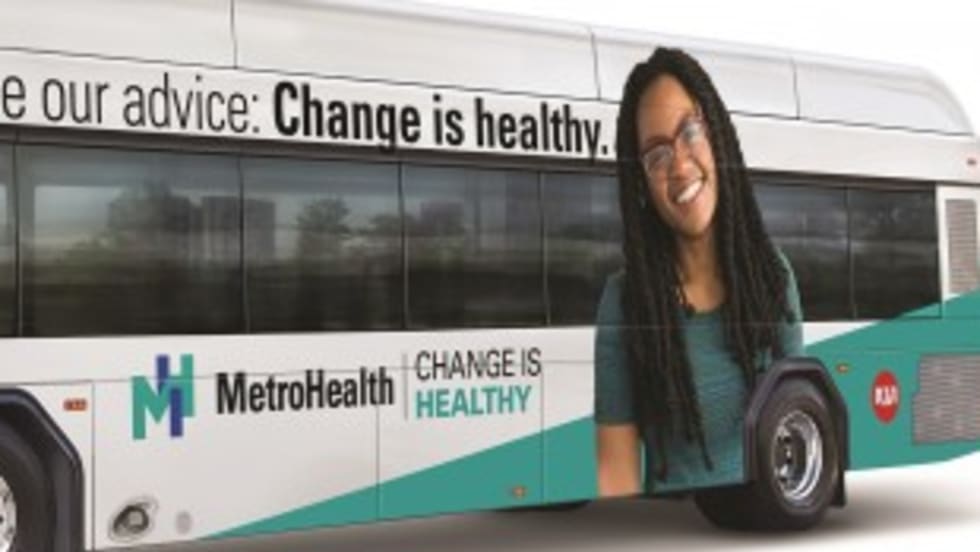
The MetroHealth Line was developed as part of a naming rights agreement between RTA and The MetroHealth System, executed earlier this year, to rebrand the No. 51 family of routes. Those routes have the second highest bus ridership after the HealthLine.
Read More →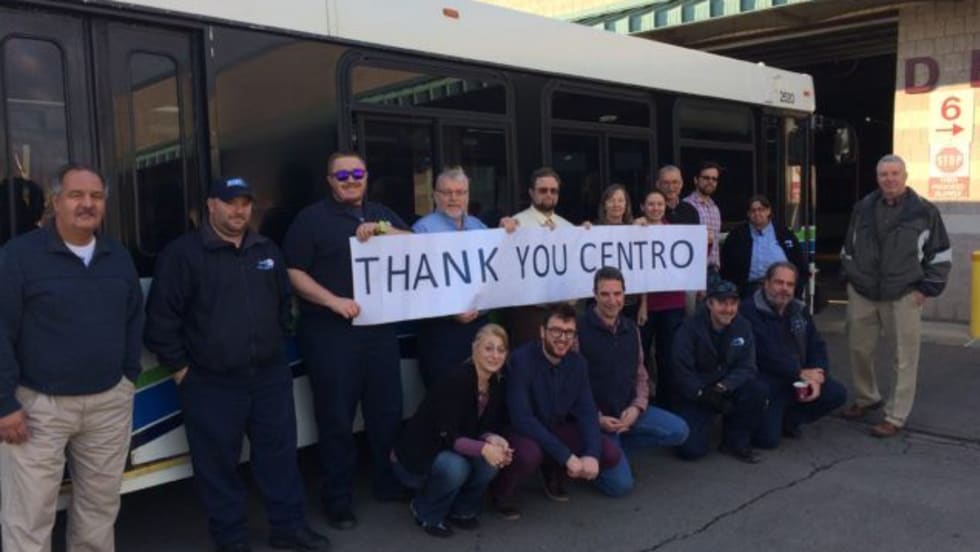
In October alone, TCAT reported 90 missed trips due to bus shortages.
Read More →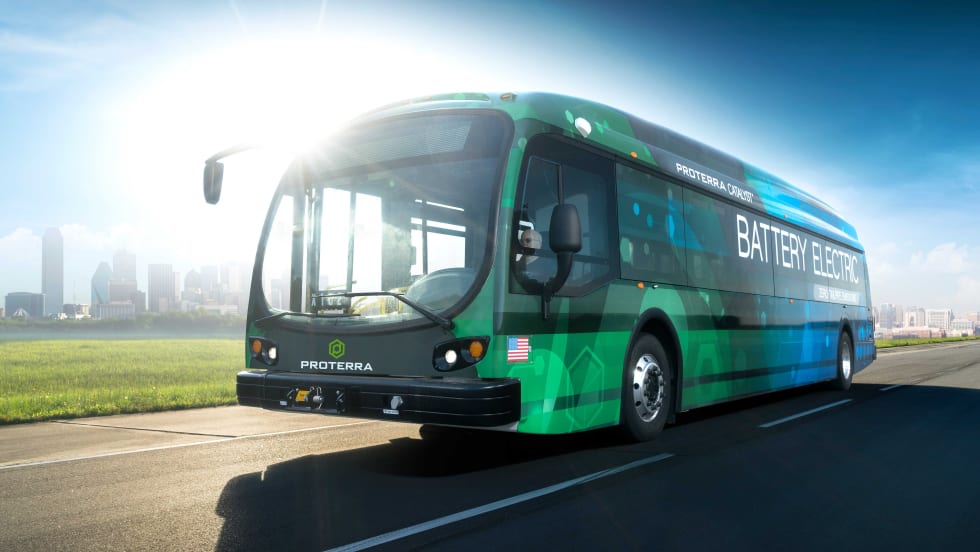
Represents the first U.S. National Park to permanently add zero-emission buses to its shuttle fleet, offering its visitors a modern, ecologically-friendly transportation option.
Read More →