
Metro Magazine

 MENU
MENU SEARCHMENUSEARCH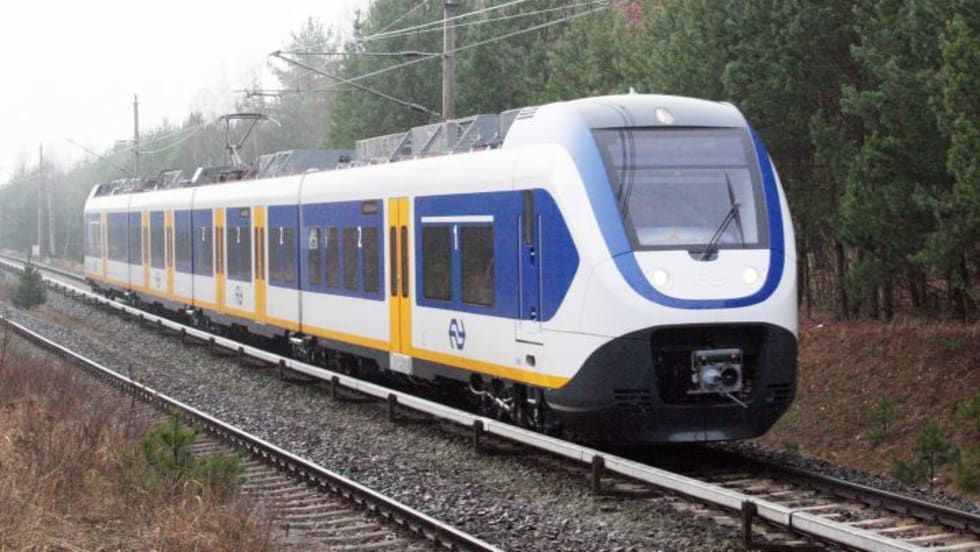
Train is being presented at the newly opened Contemporary Space of The Chicago Athenaeum Museum of Architecture and Design in Athens, Greece, the European center for architecture, art, design and urban studies.
Read More →
With the acquisition, AECOM increases its global presence in the Americas, Europe, Australia and Asia.
Read More →European systems promote "green" benefits of electrified high-speed rail travel.
Read More →Twenty driverless metro projects in Europe are either in service, in construction or in the planning stage.
Read More →Bus will be leased to transit agencies across Europe.
Read More →18th biennial show in Belgium attracts nearly 40 bus manufacturers.
Read More →European Union expects to contribute €250 million (US$310 million) annually to passenger rail security by 2007.
Read More →
Wi-Fi, or wireless Internet access, is still in its early stages but is expected to grow substantially in North American and European rail systems in the near future. Trial runs are being completed with high satisfaction ratings from passengers and rail operators. Other onboard technologies are coming online.
Read More →The company will cut 18.5% of its workforce and close seven European plants over the next two years.
Read More →