



Expansion of transportation seen in Moscow, St. Petersburg
Russia expected to upgrade mass transportation systems, infusing U.S., European and Asian technologies into new transit system designs.

Russia boasts some of the most highly structured mass transit systems in the world today. The Moscow Metropolitan (Metro) alone is estimated to carry 9 million passengers each day, not including riders on the city’s expansive electric trolley and tram networks or bus services. Moscow’s Metro is beginning a major expansion and upgrade, with more than 25 miles and 20 new stations expected to be built in the next five years. Meanwhile, the St. Petersburg city government is implementing a 12-year, $2.7-billion program to revamp its system. Commuter rail services operated across the country by the Ministry of Railways are rapidly evolving as well. Electrified trolleys and trams are also prolific throughout the country with systems in nearly every major city. The rolling stock operated in all these systems was primarily manufactured within the former Soviet Union. These systems were built to last, but designed when fuel and electricity costs were not a factor. Today, modernization of these fleets is a vital focus of municipalities across the country. While European manufacturers have well-established factories and joint ventures, Russian manufacturers are introducing new lines designed to compete in Europe and Asia. Incorporating U.S. innovations into these new designs is a key to enhancing their appeal in new markets. To ensure the U.S. is well placed to be involved in the modernization efforts, several U.S. firms traveled to Moscow and St. Petersburg in November as part of the Russia Mass Transportation Trade Mission, sponsored by the Federal Transit Administration and the American Public Transportation Association. Decision-makers and public transport officials from across Russia converged on Moscow to hear from the participating U.S. firms and related Russian enterprises. Mission topics included advanced public transport technologies and automated fare collection systems. Other program tracks of the mission focused heavily on electrified transport and technologies to make tram and trolley systems more efficient, safe and reliable. Offering a business opportunity for the U.S. and other countries, the mission will help Russia meet its aimed expansion and improvement of its transportation infrastructure. Fortunately, for the past three years, Russia has enjoyed an average annual economic growth of 6.5%, which can only support this goal. Privatization has also been key to Russia’s enterprise restructuring. Ten years ago Russia’s mass transit industry was fully state-owned; today, 90% of it is privatized and 61% of the companies have one controlling shareholder group. This transformation is unique in that foreign investment has played a secondary role. Russia has not allowed much foreign influence in the restructuring of its transportation enterprise for many reasons. Russia knows how to deal with regional governors and social commitments — prominent elements of Soviet rule. The country also understands how to remove old practices, while utilizing valuable technology and assets of the enterprises they acquire. However, the public transportation industry is on the verge of another big change. While the first steps to gain productivity required specific Russian skills, Russian business people understand the importance of foreign technologies, and many are beginning to bring in Western technical expertise and technologies to expand their markets. The Russian bus industry, largely backed by well-funded investors who made their initial fortunes in the oil, gas and metals industries, is a prime example of this transformation. Today, companies like RusAvtoPromBus are buying out smaller manufacturers and realigning their products to appeal to Western markets. By incorporating advanced U.S. systems, such as fleet management, surveillance and safety and security systems, these manufacturers are making inroads into the European marketplace. Given that production costs are far below those of European competitors, the Russian bus industry is poised to capture a greater share of European and Asian markets. For now, targeting international markets is a secondary focus, as urban transport fleets in most Russian cities are in dire need of replacement. The Russian federal government estimates the minimal need is 13,500 buses, 1,200 trolleybuses and 600 new trams per year to keep up with the demands of Russian cities. However, competition for scant federal resources has resulted in the procurement of far less (4,800 new buses, 686 new trolleys and 83 trams). Due to the shortfalls in maintaining and advancing urban public transport, the Russian government and municipal authorities are enacting a whole new structure to offset losses in the urban transport sector and to ensure a steady influx of funds to support what essentially all Russians see as a vital national resource. Fares, long kept artificially low, are being allowed to rise and the entire system of free privileged riders is being reconsidered (today there are no fewer than 64 categories of these privileged passengers). Moscow and St. Petersburg both have received financial assistance directly from the World Bank to support urban transport. In addition, the World Bank’s $200 million Urban Transport Program (UTP I) has helped 10 other Russian cities structure their investment plans. Preparations are now underway for a $400 million UTP II loan to expand and solidify these advances in other Russian cities as well. — MARK C. O’GRADY
More Management
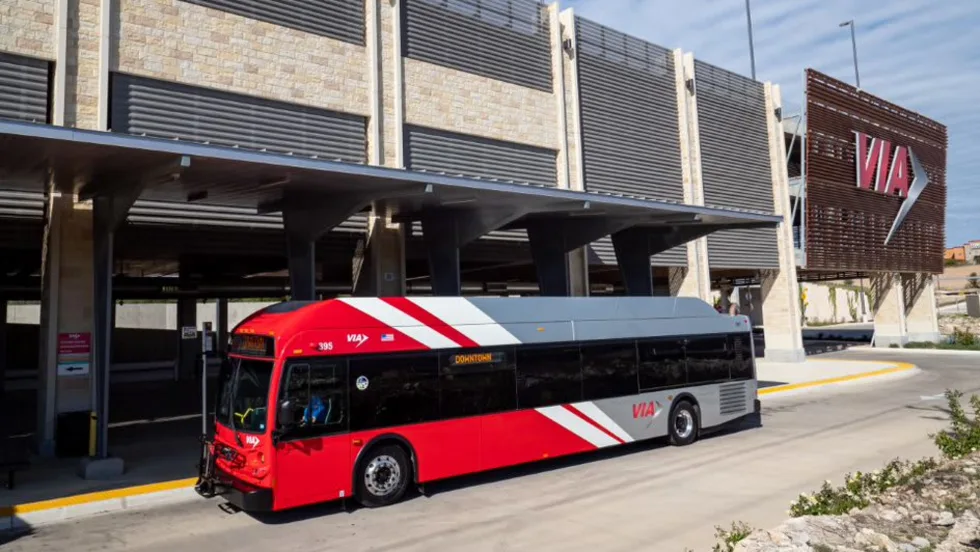
VIA, MBTA Reach Pre-Pandemic Ridership Milestones as Transit Use Climbs
VIA surpasses three million monthly trips for the first time since 2020, while the MBTA tops one million average weekday trips as both agencies report continued ridership growth.
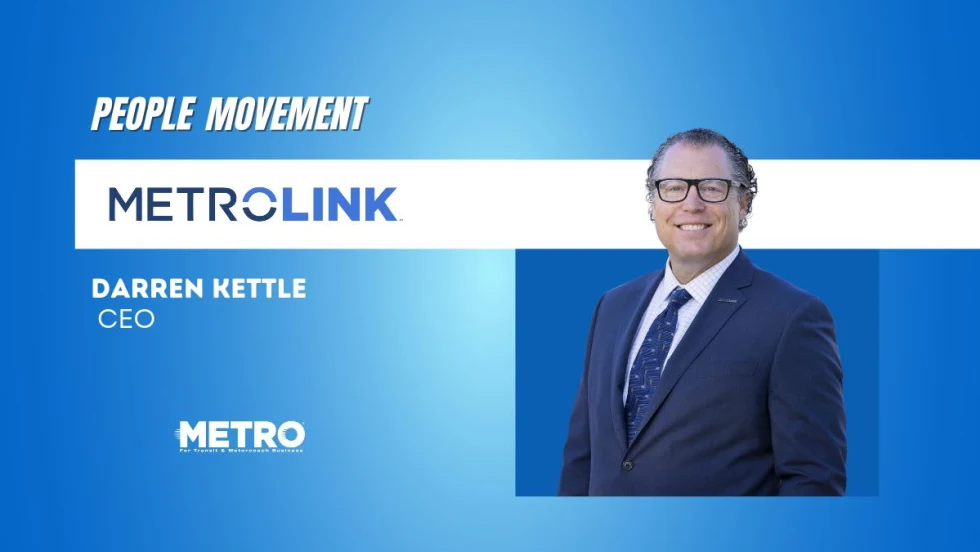
People Movement: Metrolink's Kettle Announces Retirement, Feakins to CEO at UZURV, and More
In this edition, we also cover recent appointments and announcements at King County Metro, SilverRide, and more, showcasing the individuals helping to shape the future of transportation.
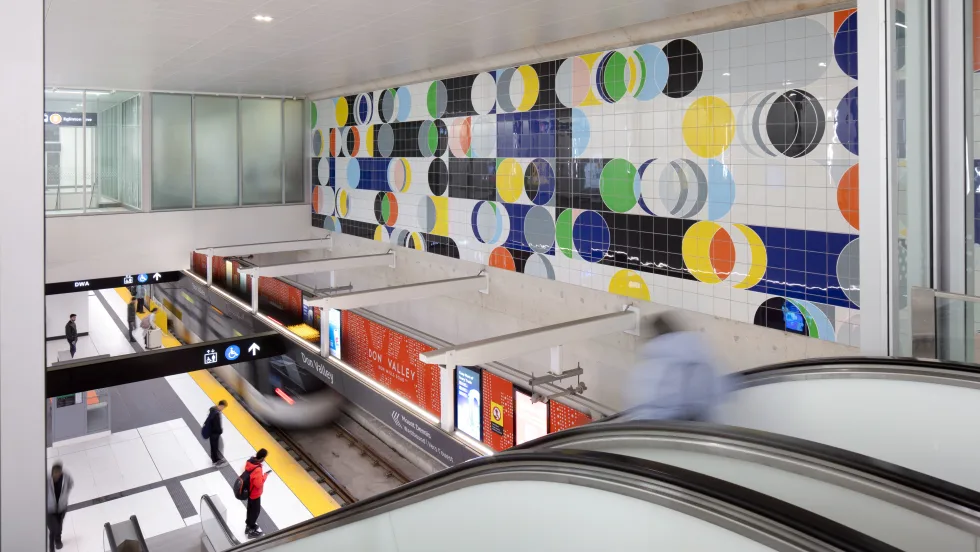
How Gen Z's Changing Mobility Habits Are Reshaping Public Transit
As younger generations embrace multimodal mobility over private vehicles, transit agencies can rethink station design, the passenger experience, and public transportation's role in building connected communities.
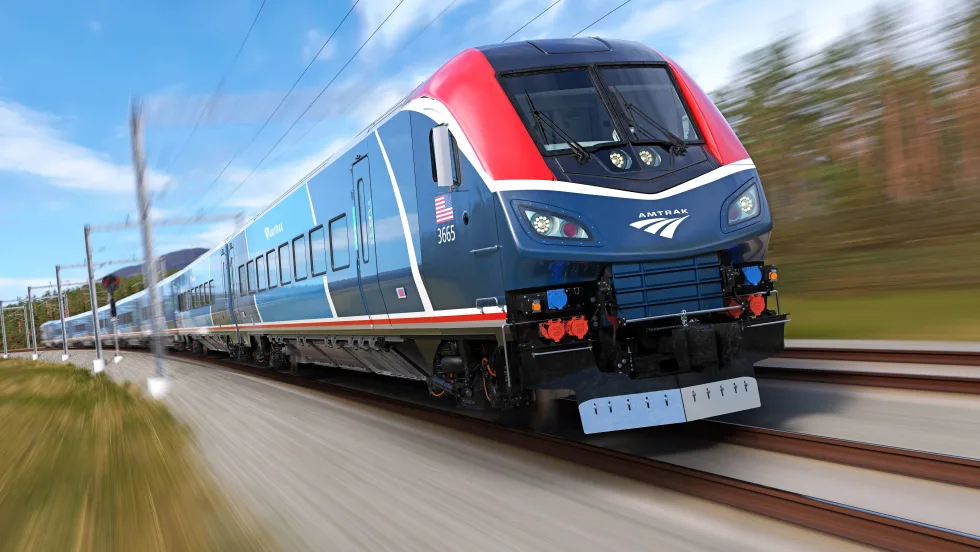
Amtrak Expands Airo Fleet with Eight Higher-Capacity Trainsets
The new 10-car trains, expected to enter service in 2031, will provide about 34% more seating capacity to meet growing demand on the Northeast Corridor.

APTA Urges FTA to Withdraw Proposed Capital Investment Grants Guidance
The association warns that proposed changes could delay transit projects, reduce federal funding, and create new hurdles for 47 projects currently in the CIG pipeline.
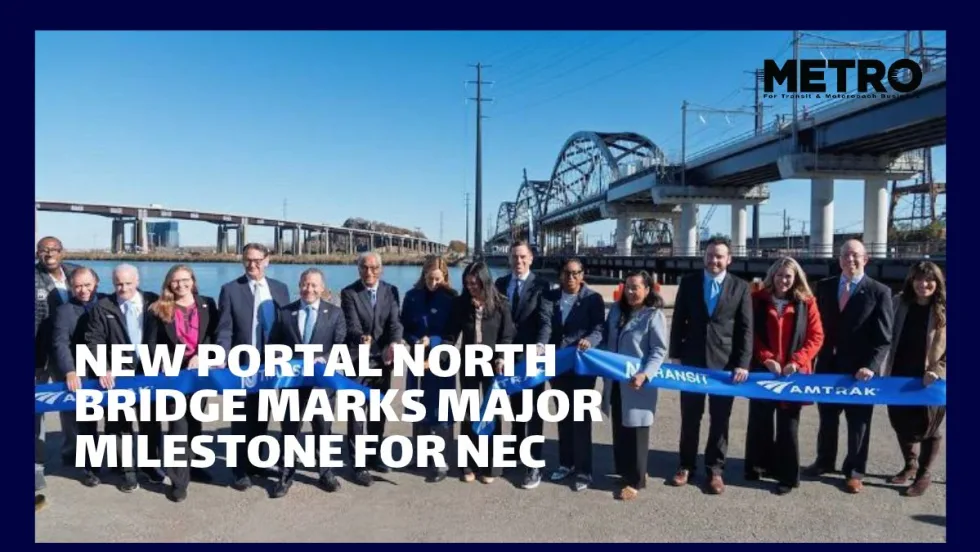
Amtrak, NJ TRANSIT Launch Full Service on New Portal North Bridge
The completion of the two-track bridge over the Hackensack River eliminates a longstanding source of delays for NJ TRANSIT and Amtrak customers. It marks a major milestone for the Gateway Program.
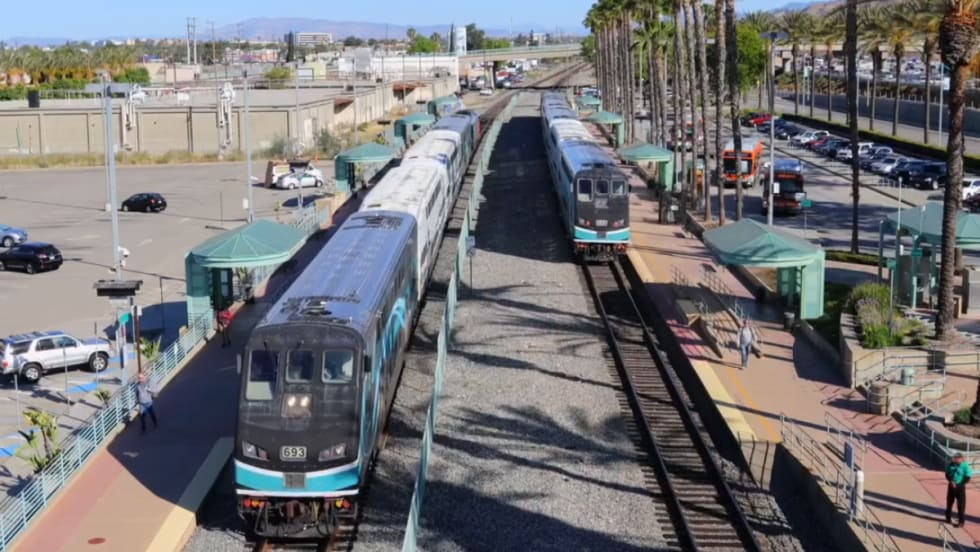
Southern California’s Metrolink Approves $508.8M Budget, Avoids Service Cuts
A $20 million state allocation allows the regional rail agency to maintain existing weekday and weekend service through fiscal year 2028, although longer-term funding challenges remain.
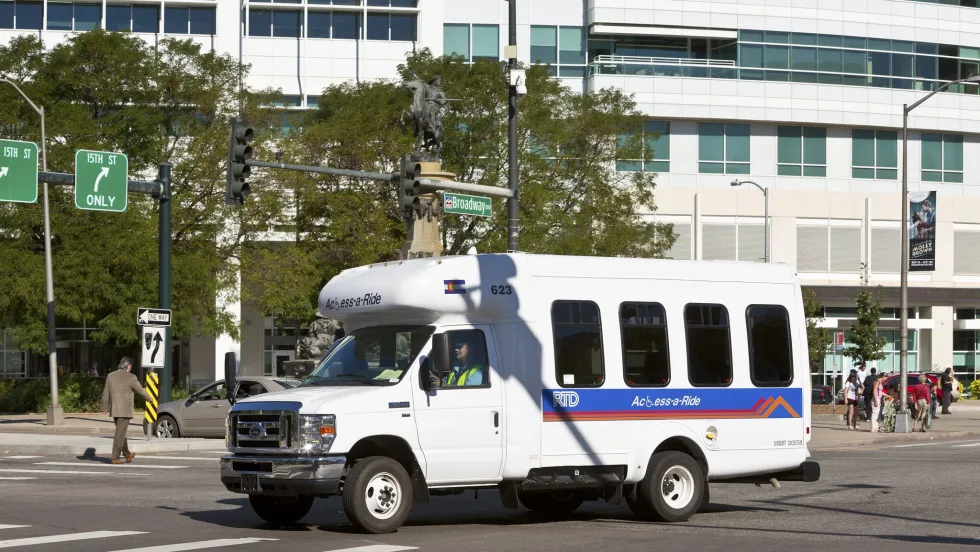
Denver RTD Committee to Review Paratransit Services, Improve Accessibility
The committee will oversee an independent study of paratransit operations, gather customer feedback, and recommend improvements to service reliability, accessibility, and accountability.
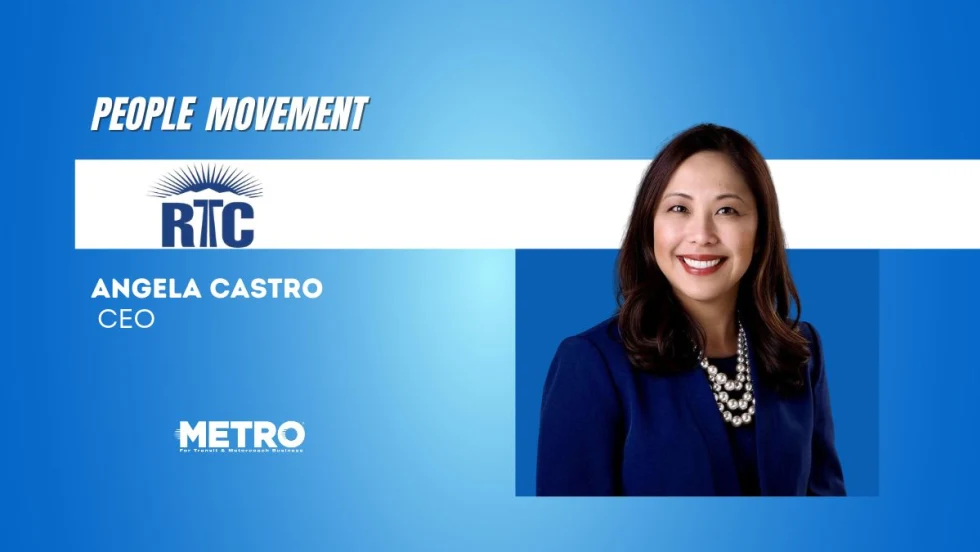
Castro to Lead RTC of Southern Nevada and More in People Movement
In this edition, we also cover recent appointments and announcements at the STV, MCI, and more, showcasing the individuals helping to shape the future of transportation.
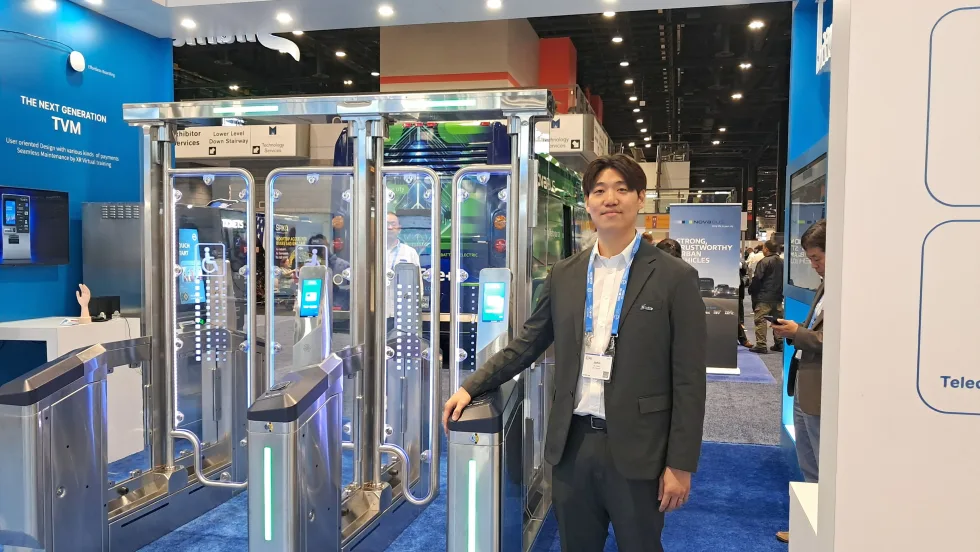
STraffic Expands North American Presence with Fare Collection Technology
John Moon, Associate Director, Product Strategy at STraffic, discusses the company's growth in North America, its efforts to reduce fare evasion, and more.