
Metro Magazine

 MENU
MENU SEARCHMENUSEARCH
Loading data...

School Bus Safety Co. offers tailored safety compliance audits and conduct on-site driver file reviews and safety training leadership programs for drivers and trainers at school districts or other contractors who provide school bus service.
Read More →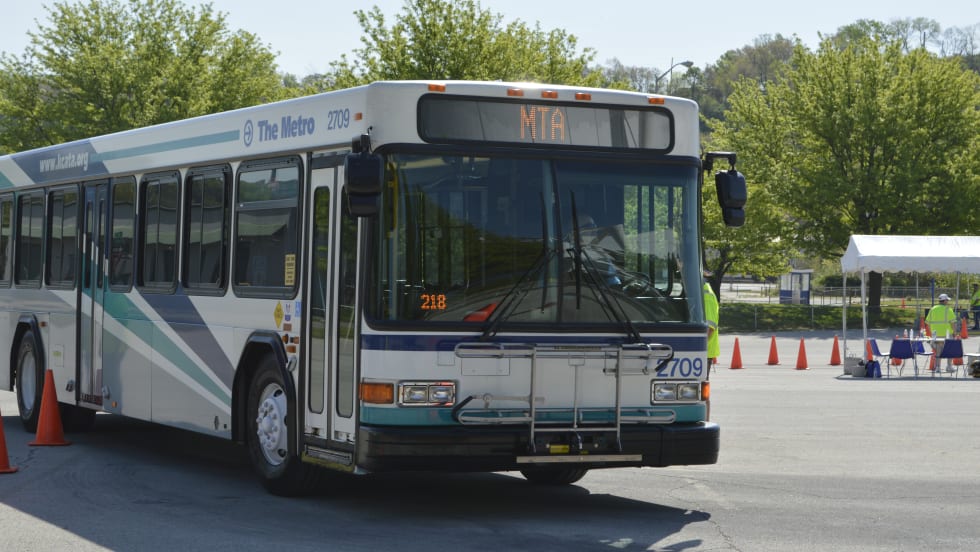
A well thought out flow of what curriculum should be introduced, as well as its level of difficulty for each day, will easily begin to determine those students that are standing out from their peers as either progressing favorably or lagging behind the other training bus students.
Read More →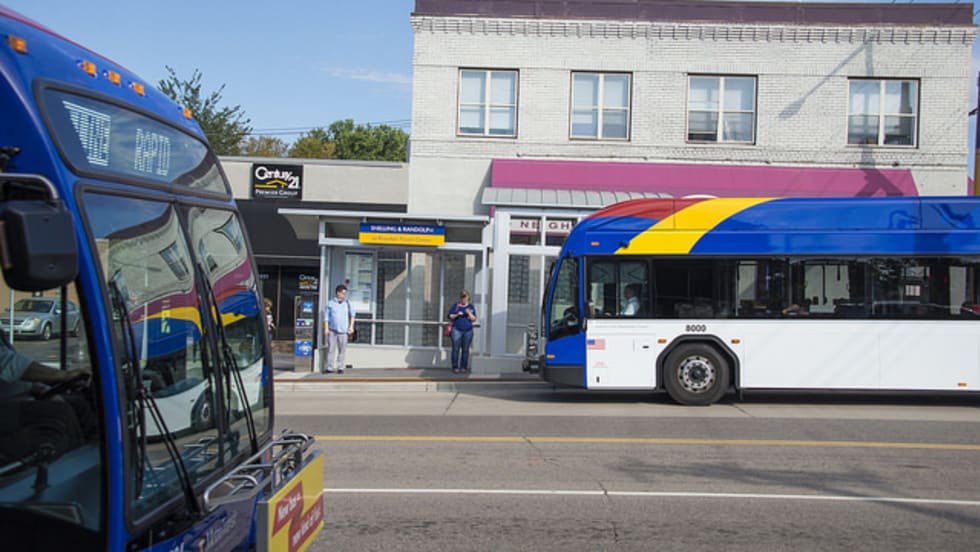
Since they began last year, the sessions have grown from being offered four times a year to every other month.
Read More →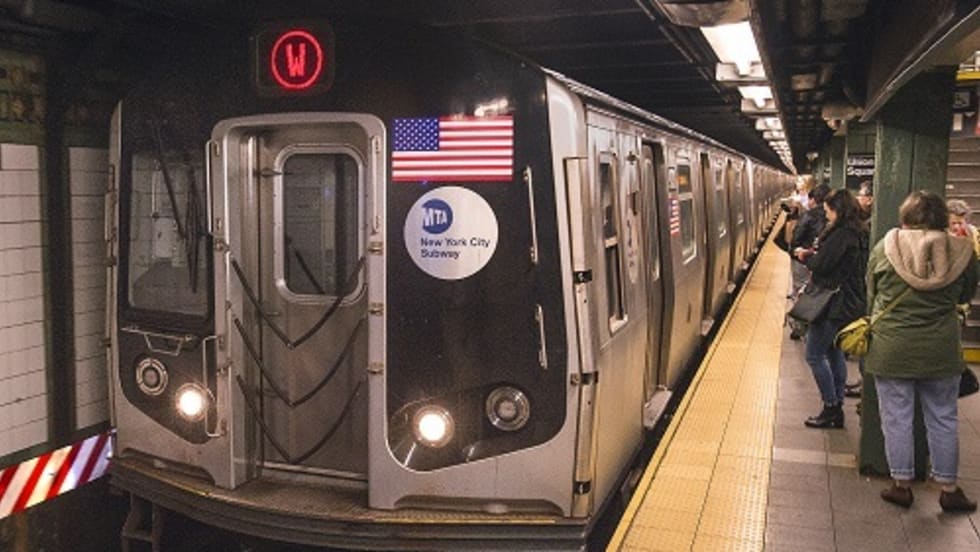
Employees who are deemed at risk based upon the screening will be referred for further testing and potential diagnosis and treatment.
Read More →
Diagnose, Prescribe & Follow-Up, are the usual doctor’s actions that are utilized when visiting the doctor’s office for whatever is ailing us. This formula should also apply within your training department with regard to the ailment of Bus Collisions.
Read More →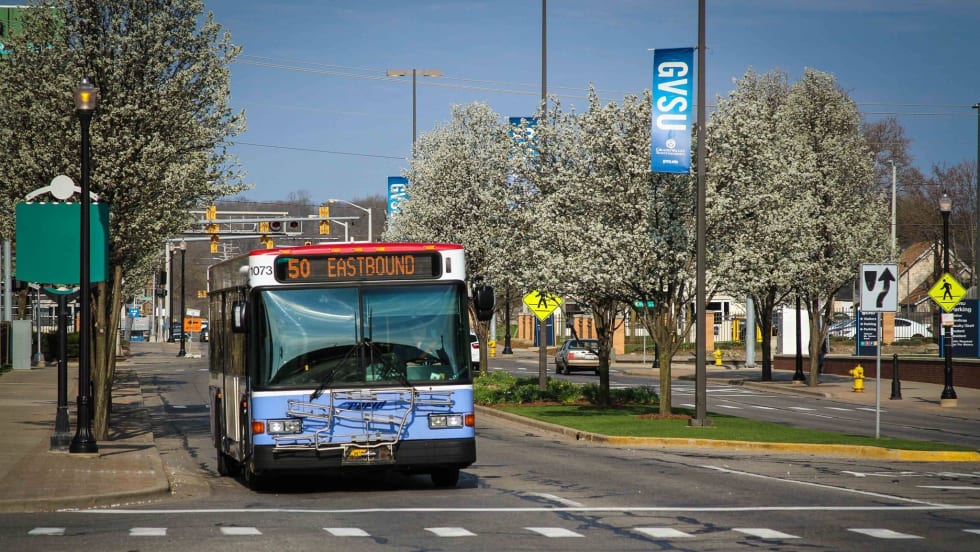
The cost of Blue Cross Blue Shield of Michigan coverage for The Rapid drivers is proposed to spike 49 percent Oct. 1, pushing up monthly premiums for family coverage by $669.
Read More →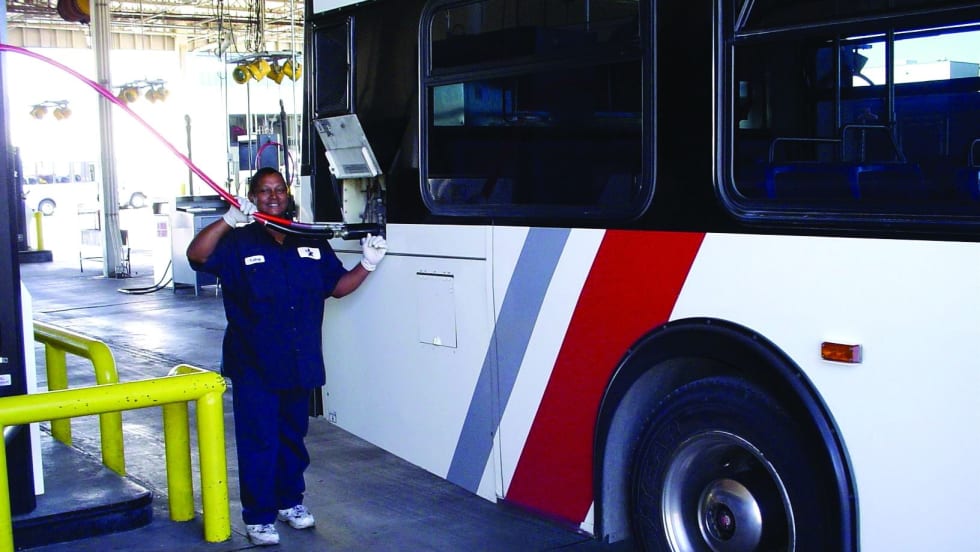
The online dialogue will provide public transportation stakeholders and others an opportunity to help identify risks and impediments to a safe workplace and possible solutions to these assaults.
Read More →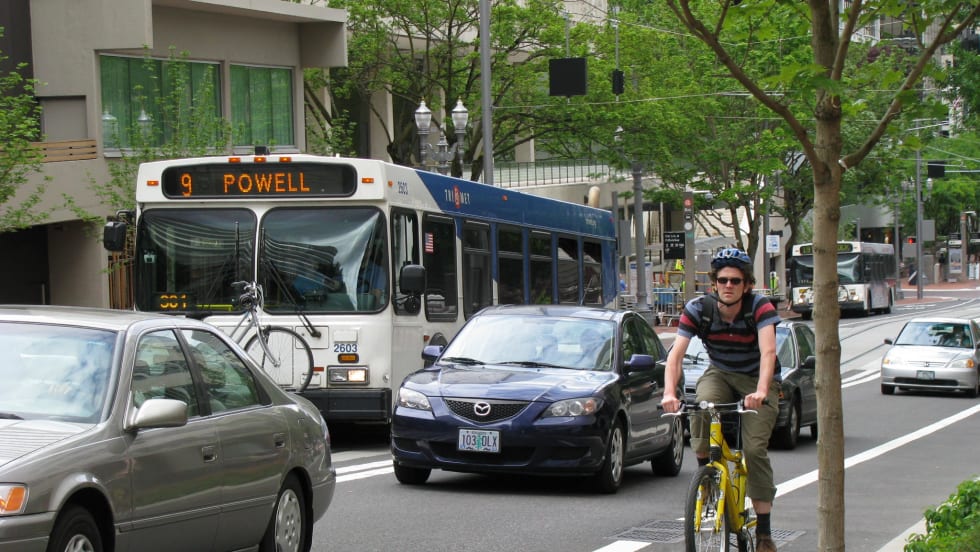
I have had it with the never-ending meeting of the minds on the predominant causes of left-turn bus-pedestrian collisions. This whole issue is getting obscured with presentations that slice and dice every possible cause of these incidents into a collection of symbols, numbers and formulas. Please stop.
Read More →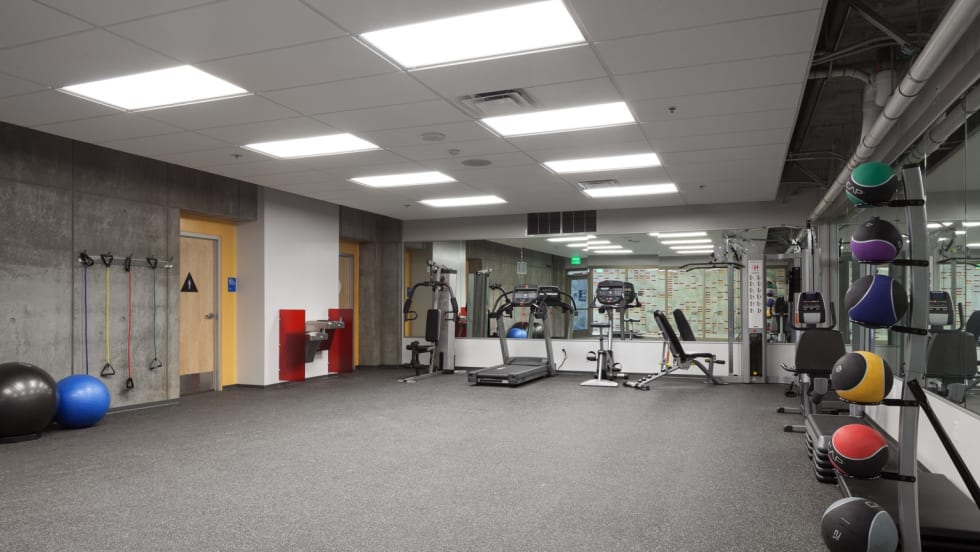
Most transit facilities have a break room for operators to use between shifts — typically an artificially lit space with a TV, vending machines, and cafeteria-style tables and chairs. The trouble is, every person has a different way of relaxing. Besides exposure to daylight and nature, key components of wellbeing are social cohesion and a sense of empowerment. The key here then is to empower employees to choose the best way to relieve their own stress around shifts.
Read More →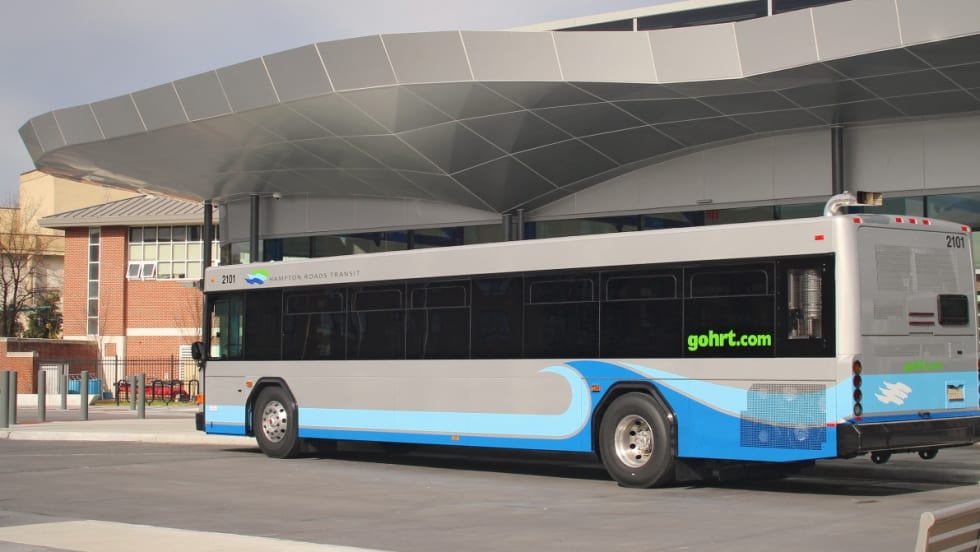
The agency has convinced the area's legislators to sign a letter asking Commonwealth's Attorneys to seek jail time when operators are assaulted.
Read More →