
Metro Magazine

 MENU
MENU SEARCHMENUSEARCH
Completed station will have a parking garage, new office space for WVU Parking Office employees, bike racks and will be a bus stop for the Mountain Line public transit.
Read More →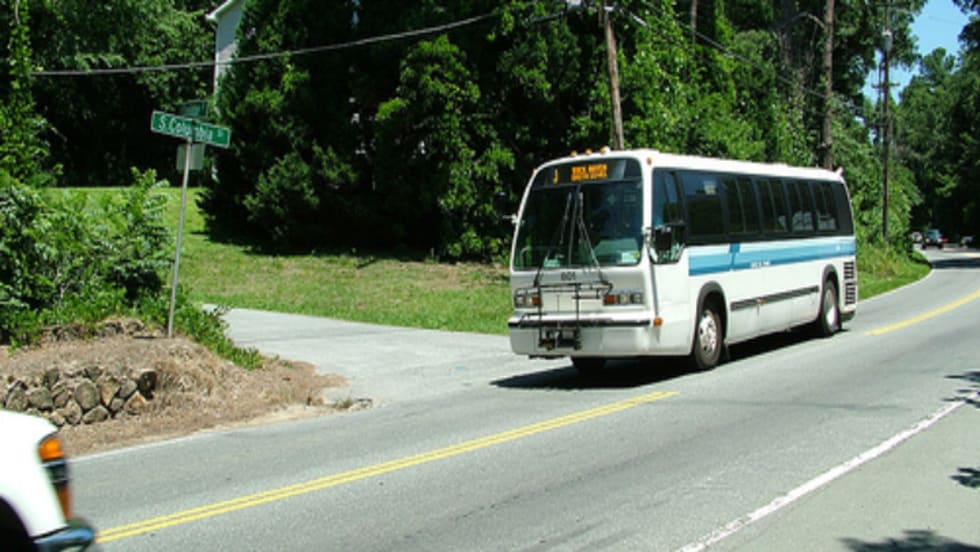
Since Chapel Hill Transit became fare free in 2002, it has become the second-largest transit system in North Carolina.
Read More →
Two new vehicles join the current vehicles located on campus (two) and in the communities of Champaign and Urbana (two each).
Read More →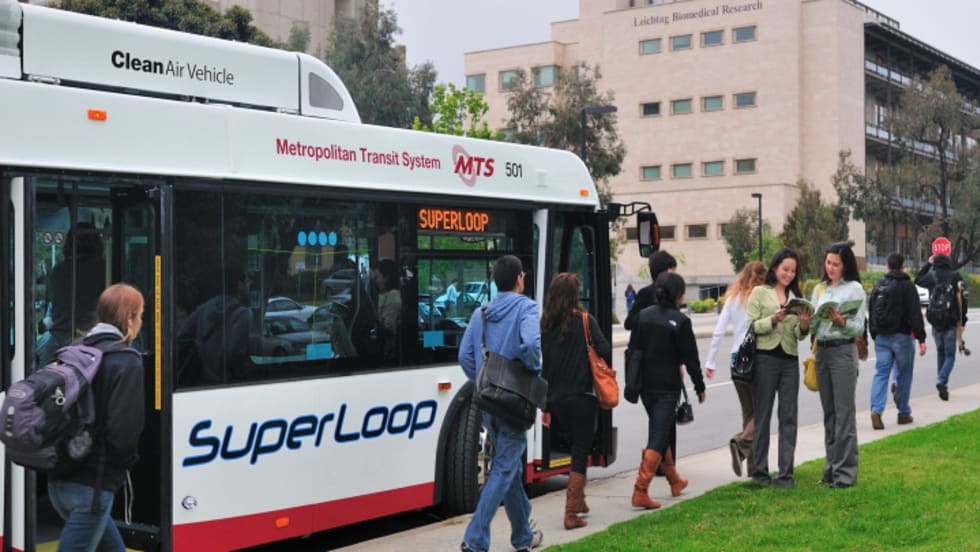
Project cost is estimated at $16.2 million, which includes the purchase of 12 hybrid buses. Annual operating cost is expected to be $3.3 million, and all funding will come from a local half-cent sales tax approved by voters.
Read More →Through Twitter, Merced County Transit followers will receive real-time updates on their cell phones and computers regarding route delays, service changes, and special announcements.
Read More →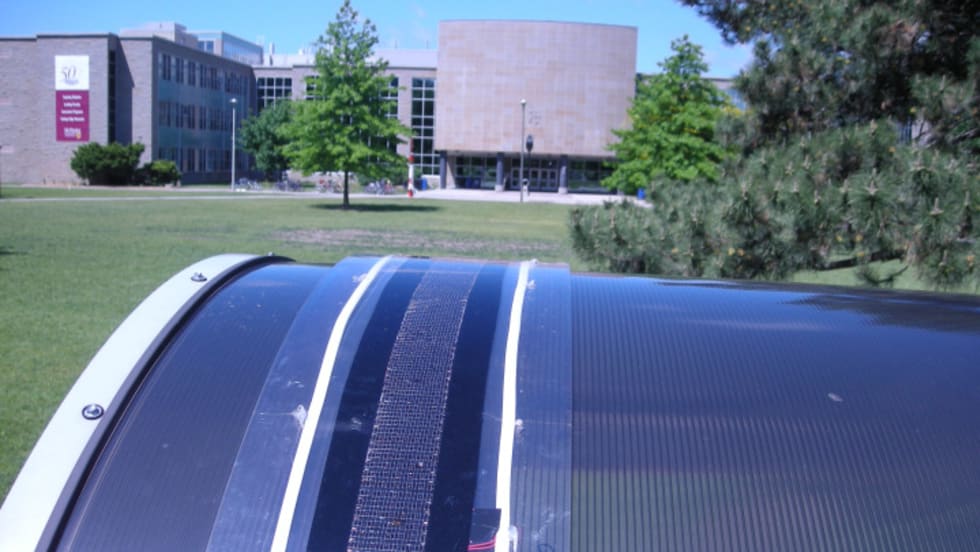
The solar cells capture sunlight during the day and convert it to electricity to recharge batteries located in each lighting unit. The batteries can hold enough charge to light the shelter for the better part of a night.
Read More →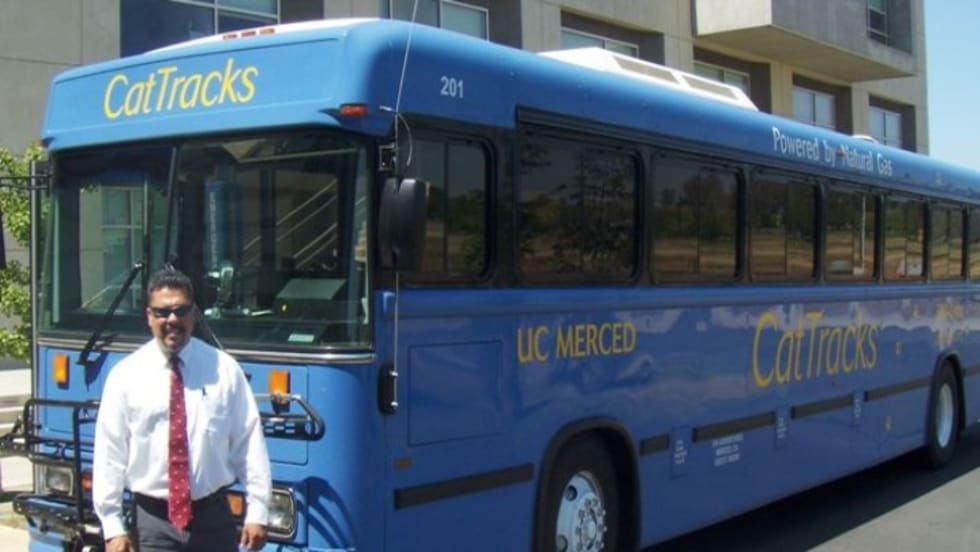
University’s transportation and parking operation has been cramped by a tight budget, higher costs and rising demand for bus services.
Read More →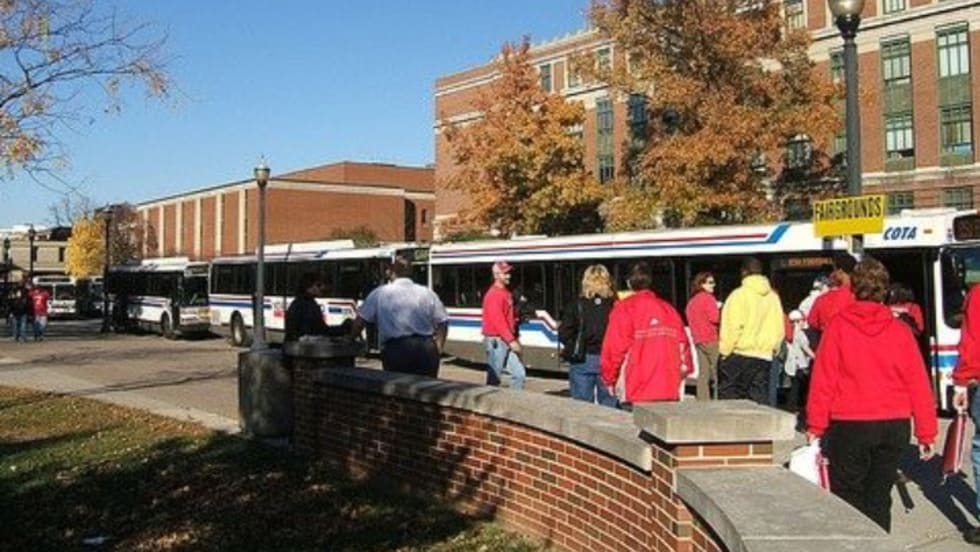
More than 850 students, faculty and staff at OSU in Columbus supplied their input on possible changes to campus-related service provided by COTA.
Read More →One exception is Auburn University’s Tiger Transit in Auburn, Ala., which uses Twitter to inform student riders about issues with the transit system, such as route delays, temporary stop relocations and when the transit system itself has to be temporarily shut down.
Read More →About three of five bus operators are taking special precautions against the spread of the swine flu virus, according to a random survey of 26 university shuttle bus operators and transit agencies.
Read More →