
Metro Magazine

 MENU
 SEARCHMENUSEARCH
Loading data...

While a majority of the inmates are being transferred to halfway houses and are close to their release date, a smaller percentage are transferred on good faith to minimum security facilities.
Read More →


There were two prevalent news stories this week regarding violence at transit agencies. Both DART and Washington Metro are looking to employ more preventive measures, but are not necessarily in agreement with the public — or among themselves — as to what’s most effective.
Read More →A small group of UTA riders who are part of Google’s Glass Explorer Program are testing OnTime for Glass, which provides customized real-time arrival information.
Read More →Even before reaching its full extent, the single payment card pieces together an urban transit zone that contains more than 700,000 people, a substantial number in a country of less than 5.5 million inhabitants, according to the report.
Read More →Despite facing another uphill battle with the General Assembly after a defeat last year, will re-introduce a plan that asks two counties to increase local income taxes by 0.3%. The funds would double bus service and add light rail and express transit service.
Read More →Richard Donohue posted a message on the MBT Transit Police website crediting a slain MIT officer for saving his life. He is able to briefly move around with the aid of a walker. A bullet from the shootout will remain lodged in his leg.
Read More →This year, LITLA's group is divided into four different development tracks: Making of An Executive, Leading in Middle Management, Transit Board Leadership, and New Careers in Transit.
Read More →The expansion, driven by substantial growth along the Pacific Coast and neighboring states, helps to provide customers west of the Mississippi River with closer, more responsive service.
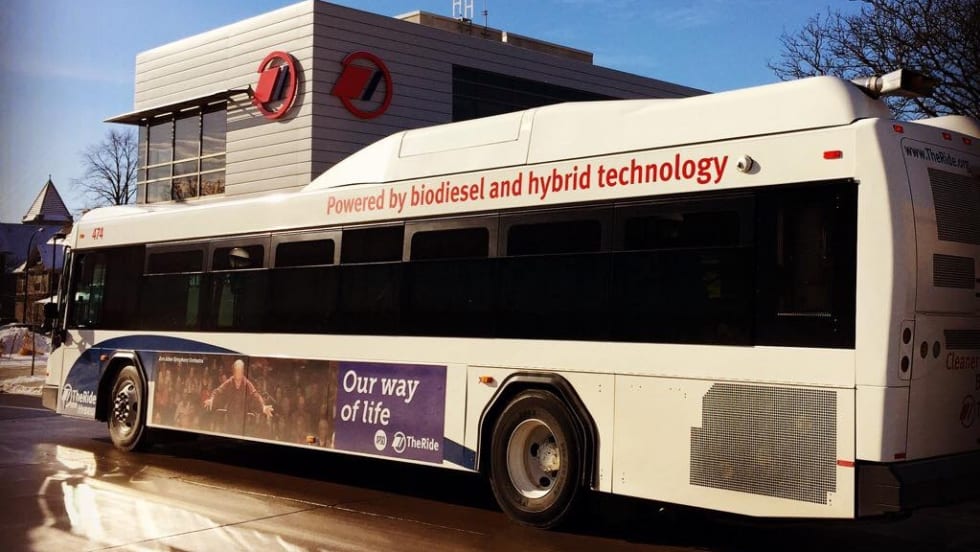
Read More →The 10-year, 0.3627-mill transit tax will fund transit services that are a part of TheRide’s Five-Year Transit Improvement Program. The tax will raise approximately $403,000 when first levied.
Read More →Protests in Brazil over fare hikes have sparked authors at The Economist and Slate magazine to put in their two cents on the future of fares. They contend that they are costly to collect and that transit systems may be more effective at cutting traffic congestion and improving service if they were fare-free. Could that ever happen in the U.S.?
Read More →