
Metro Magazine

 MENU
MENU SEARCHMENUSEARCH
Loading data...

To include disqualification for moving violations within last three years, driver’s license revocations or suspensions and any occurrence of driving under the influence of alcohol or drugs.
Read More →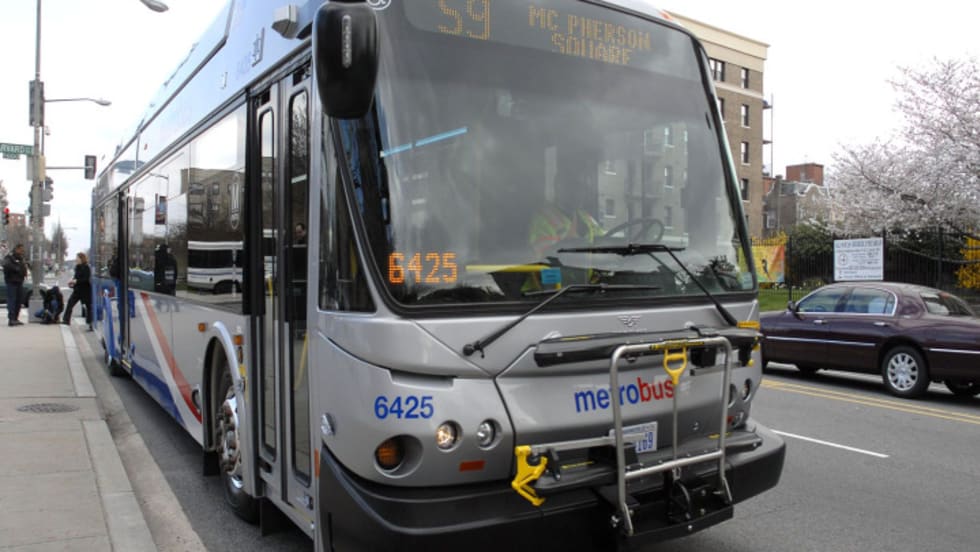
Verizon Wireless, Sprint Nextel, AT&T and T-Mobile will build, operate, maintain and own the new wireless network. The firms also will build a second wireless network, which Metro will use for public safety and operational communications.
Read More →Changes include a new management structure, the addition of NextBus, and more discussions with operators about safety.
Read More →Calls for agency to evaluate track occupancy data on a real-time basis in order to detect losses in track occupancy and automatically generate alerts to prompt such actions as immediately stopping train movements or implementing appropriate speed restrictions to prevent collisions.
Read More →Officials will spend the next few days finalizing the language for its policy and notifying employees that the “three strikes” disciplinary policy that had been in place is a thing of the past.
Read More →Contacted experts in the field of track signaling to conduct an independent review. Other actions include staff realignment; shifting the position of the 1000-series cars; and operating all trains manually.
Read More →When the Next Bus system becomes available, Metrobus customers will be able to get real-time bus arrival information on Metro’s Website, by telephone or from electronic signs installed at select Metrobus stops.
Read More →For the first time, more than 16,000 riders who board buses daily on the 16th Street Line in Northwest Washington have the option to ride a new limited-stop service.
Read More →Projects target improved passenger and maintenance facilities, safety and security, information technology, operations and equipment.
Read More →Social networking tool provides another avenue to communicate with customers, reaching a segment of the Metro riding population who readily turn to portable electronic devices for information.
Read More →