
Metro Magazine

 MENU
MENU SEARCHMENUSEARCH
Loading data...

A transit authority’s website, contact center tools and social media are all critical touch points for customers as they engage with transit agencies. At this stage in the relationship, the focus should be on informing and educating prospective customers so they have the incentive to provide their demographic information (e.g. email address, cell phone number, social media contact, etc.).
Read More →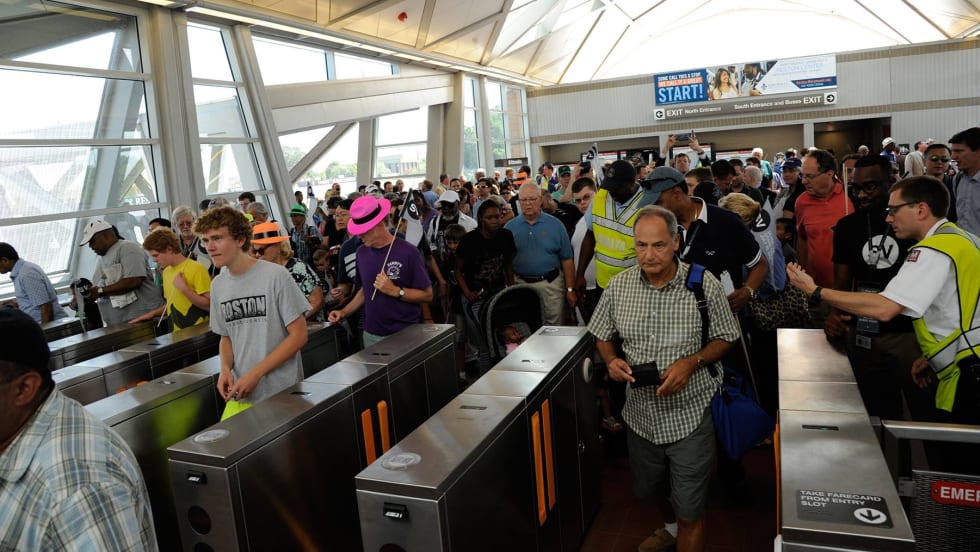


Through a structured environment of online surveys, polls and discussion forums, Amplify community members will have the opportunity to share their experience as riders and influence how WMATA responds to issues affecting those who use the system.
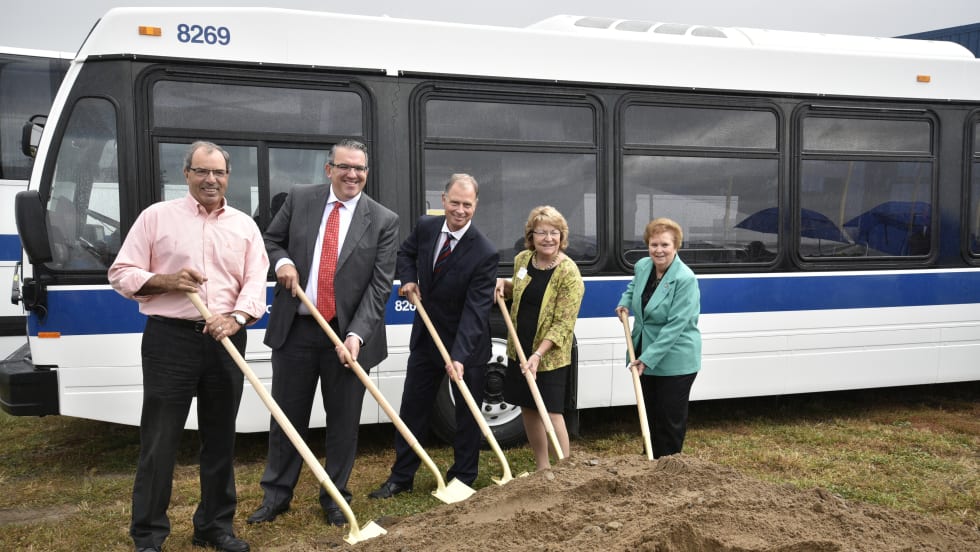
Read More →The new Plattsburgh, N.Y., building will be equipped of a welcoming customer area, 10 bus delivery spaces and offices to enable our customers to continue their professional activities during their stay.
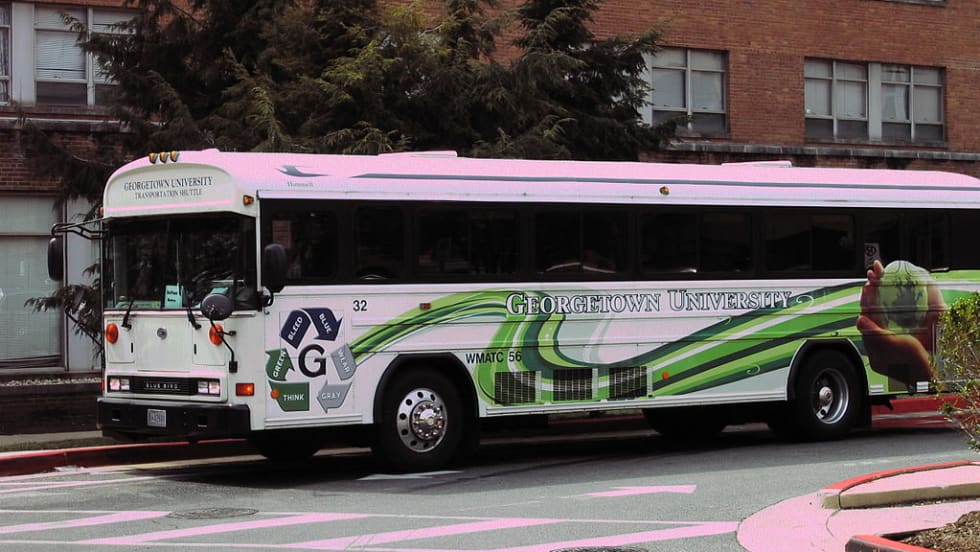
Read More →The rerouting plans were initiated by the Office of Planning and Facilities Management following the announcement of the 2010 Campus Plan, which included neighborhood input to minimize the use of residential streets in bus routes.
Read More →Fifty four newly recruited conductors and assistant conductors to assist with passenger safety and comfort, on-time performance and fare collection.
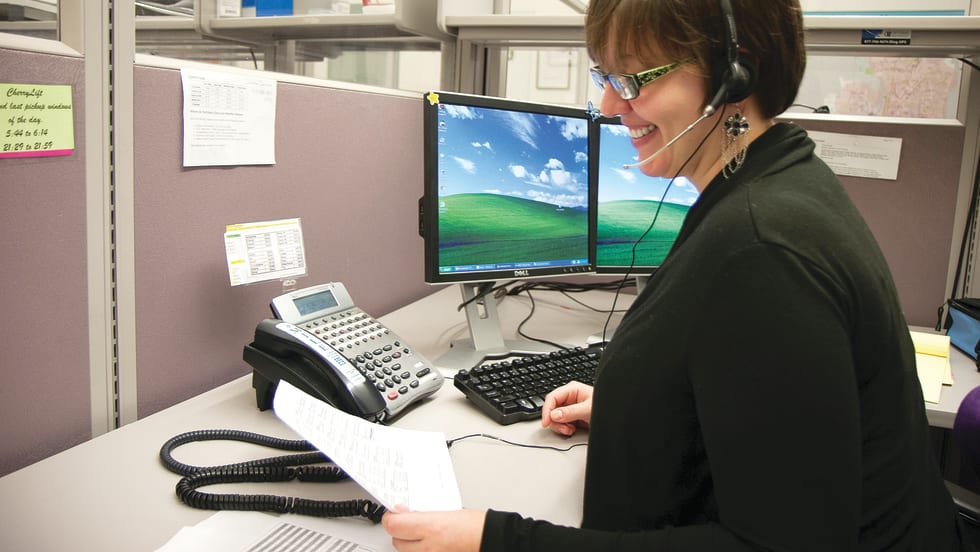
Read More →Call center staff play an important role in helping customers feel appreciated.
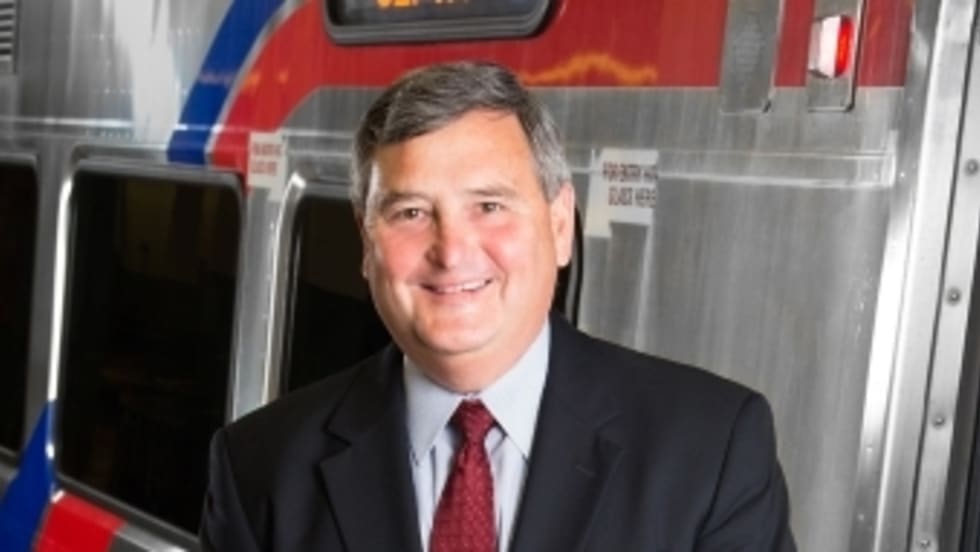
Read More →Joseph M. Casey, who has led the Authority since 2008, has been with SEPTA for a total of 34 years of distinguished service in a number of roles, including serving as the CFO and Treasurer.
Read More →Award winning highlights include a redesigned website complete with a user-friendly trip planner, up-to-date detour information, and an interactive experience with social media.
Read More →Daktronics partnered with Swiss travel and transport company, SBB to install 50 LED video displays – a total of 475 square metres – throughout 17 railway stations across Switzerland.
Read More →The pilot stations have seen a reduction in trash volumes, rodent activity, as well as several other benefits. While the number of track fires at the pilot stations have remained neutral, the rate of track fires at the pilot stations is currently lower than the rate at stations with trash cans.
Read More →