



Ways to Improve Communication with Customers Who Have Disabilities
Call center staff play an important role in helping customers feel appreciated.

Photo: Cherriots/Salem-Kaizer Area Transit
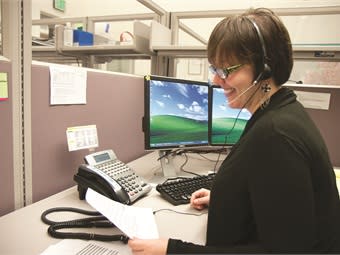
Photo: Cherriots/Salem-Kaizer Area Transit
Transit agency customer service call center staff or paratransit system reservationists are on the communication frontlines everyday, addressing customer questions or resolving transportation issues. When any of us are seeking answers, trying to schedule a ride, or asking for help in an emergency situation, the quality of response has a lasting impression. Call center policies and training that address practical and legal issues, as well as human-centric concerns, are essential for transportation agencies to create an atmosphere of respect for both employees and customers.
Administrative Policies and Practices
Consider incorporating the following recommendations into your operating procedures:
• Use a script — with some flexibility. Having a script encourages consistency in employee responses.
• Use the hold button. Using hold keeps customer conversations separate from internal discussions. Recordings will still pick up what you say while the customer is on hold.
• Know how to use the transfer button. Let the customer know that you have heard the issue, explain that you will need to transfer the call, let him know that you will explain the situation to your colleague or manager so that the customer does not need to re-explain it, and let the customer know how long it will take to transfer the call.
• Know and understand the aspects of the Americans with Disabilities Act related to customer communication and transportation service. Provide refresher training and quick reference sheets to staff so that they can understand the core requirements of the ADA.
Human-centric Considerations
Customer service staff training should include a section on communicating with clients who have disabilities. Examples of appropriate verbal interaction with callers include:
• Using people-first language. Avoid referring to a caller’s particular disability unless it is necessary. Always put the person first. For example, say “customer who uses a wheelchair” or “person who is blind.” Put the person first.
• Not interrupting a complaining customer. This can be difficult if you feel pressed for time, but customers want to know that they have been heard. Listen and assure the customer that they have been heard.
• Keeping customers informed. Let your customer know what you are doing and how long it might take. You may need to explain that you need to speak with someone else to get an answer. Let the customer know approximately how long it will take.
• Thinking about your body language and verbal reactions. A relaxed, smiling person is more apt to have a calm, controlled voice and can speak freely. A caller is more apt to feel comfortable and less agitated when staff is keeping the conversational tone professional and positive.
• Not telling customers how they should feel or tell them to calm down. If a caller is using a raised voice, you may mirror their tone but respond in a supportive manner that indicates that you understand their concern. For example, by responding “I’m so glad you brought this to my attention.” When the customer lowers her voice, lower your voice as well. Telling a customer to calm down or speaking in an exaggerated voice will only fuel an agitated conversation.
• Treating each caller as an individual. Call center staff play an important role in helping customers feel important and appreciated. Use the caller’s name when answering their questions and treat the call as the most important thing you have to do.
• Repeating and asking for verification. Clarification is very important when speaking with a customer who has speech impairment. Don’t feign understanding! Ask for verification if you are uncertain.
• Providing clear, organized instructions for customers with cognitive disabilities (e.g., traumatic brain injury, Dementia, and neurological conditions). When providing instructions, break down steps into smaller segments.
• Knowing how to apologize. The caller may not always be right, but empathy toward the situation will help the transaction reach its conclusion or help you and the caller find a solution to the issue or request.
• Understanding that abuse is never acceptable. Politely set limits with customers who are verbally abusive and remain calm. Follow agency policy for resolving an abusive call.
Proactive training and refresher sessions on customer service and call procedures should be scheduled at regular intervals as either stand-alone events or as sessions during a part of a training event on a variety of topics.
Recommended topics for the training agenda include:
• General goals of a call center
• Americans with Disabilities Act basics
• Regulatory requirements
• Disability etiquette: Sensitivity and service
• Helpful strategies for managing call communication
• Time for questions and answers
Whether your agency is designing a new employee training, conducting a refresher course, or troubleshooting questions during a staff meeting, encourage your staff to ask questions about the ADA. A little knowledge goes a long way in helping both transportation agencies and customers understand rights and responsibilities under the law.
Rachel Beyerle is the communications director for Easter Seals Inc.
More Paratransit

Biz Briefs: RIPTA Unveils New Frontrunners, Clevland RTA Adds New Siemens, and More
In METRO's latest installment, we take a look at recent news from Siemens, Prevost, Dodge, and more partnerships making headlines across the transportation sector.
Read More →
King County Metro Makes ADA Paratransit Easier to Navigate
METRO's Innovative Solutions Award winner replaces complex service-area descriptions with an accessible, interactive map that puts paratransit information directly in customers’ hands.
Read More →
Jacksonville’s NAVI Project Charts a New Course for Autonomous Public Transportation
Through its NAVI program, JTA is showing how autonomous vehicles, intelligent infrastructure, and coordinated operations can work together to deliver everyday public transportation.
Read More →
Driving Smarter Paratransit
John Hanlon shares how AlphaRoute is leveraging AI-powered technology to help paratransit providers optimize operations, support frontline staff, and enhance the rider experience.
Read More →
METRO Magazine Announces 2026 Innovative Solutions Awards Winners
Projects Recognized for Advancing Mobility Through Technology, Accessibility, Workforce Innovation, and Operational Excellence
Read More →
Biz Briefs: STV teams with Amtrak, Motorcoach Operators Boost Fleet and Land Contracts, and More
From manufacturers and suppliers to transit agencies and motorcoach operators, these updates offer a snapshot of the projects, partnerships and business moves driving the industry forward.
Read More →
Biz Briefs: Masabi Teams with St. Louis Metro and More
In METRO's latest installment, we take a look at recent news from Transdev, Hitachi, and more partnerships making headlines across the transportation sector.
Read More →
New York MTA Leverages Zoning Program to Advance Station Accessibility
Accessibility enhancements at Nevins St Station will be financed through a development agreement tied to the MTA's Zoning for Accessibility initiative.
Read More →
Reinventing Fleet Maintenance with Real-time Visibility and AI
Transit leaders need to know what needs fixing, where to look, who is responsible, when work is completed, and what it costs without having to chase information across disconnected systems.
Read More →
SamTrans Sets Priorities for Potential Connect Bay Area Revenue
The board-approved framework allocates future funding to maintaining service, rider improvements, equity initiatives, and infrastructure repairs.
Read More →