



Digital Engagement: The New Journey for Transit Agencies
A transit authority’s website, contact center tools and social media are all critical touch points for customers as they engage with transit agencies. At this stage in the relationship, the focus should be on informing and educating prospective customers so they have the incentive to provide their demographic information (e.g. email address, cell phone number, social media contact, etc.).



Next time you’re out in public and something interesting happens, look at the crowds. What will you see? People on their phones — taking pictures, commenting, informing others. You may have already seen the pictures — one from debut of Pope Benedict (top) and one of same event for Pope Francis (bottom).
We are in the midst of a revolutionary change in how people communicate and share:
82% of U.S adults own a cell phone*
91% of U.S. adults now keep their smart phones within arm’s reach.*
More than one-half of mobile searches lead to sales*
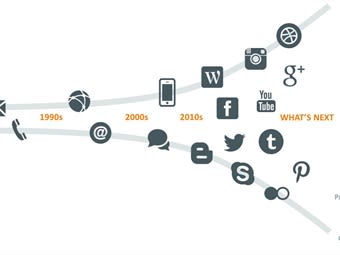
Intuitively, you know this happens while passengers are in transit. The question is how you can use this change to make your riders more loyal and more satisfied.
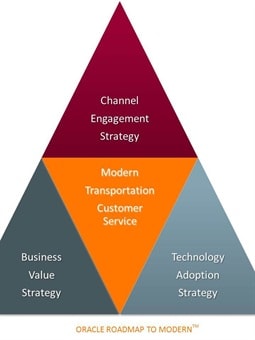
Initiation, or the process of capturing customer data, is the first step in the digital engagement journey that continues through selection, conversion, and advocacy.
Initiation
A transit authority’s website, contact center tools and social media are all critical touch points for customers as they engage with transit agencies. At this stage in the relationship, the focus should be on informing and educating prospective customers so they have the incentive to provide their demographic information (e.g. email address, cell phone number, social media contact, etc.).
An advantage transit agencies have in this process is a very captive audience. Expense, time and comfort are priorities for individuals making regular or long commutes. Using this time, to shake hands digitally — collecting email addresses, cell phone numbers, frequent destination and departure information, and lifestyle and interest attributes — can go a long way. This information can help transit agencies increase the frequency and loyalty of current riders as well as attracting new riders. In addition, this information can help you market concessions and take advantage of cross-marketing opportunities with business partners.
Selection
Once an organization has successfully engaged the customer, the focus of the digital experience should shift toward guiding and influencing the customer. Agencies can now target increased revenue from existing travelers, improved cash-flow on regular riders and increased non-fare revenues. This can be done informally, through website content or more direct campaigns, such as using email to promote off-peak utilization, a text campaign to offer concession discounts or a social campaign to promote pre-pay and auto-refill methods of payment.
Conversion
Speeding and simplifying the purchase process is a vital step in the digital customer experience journey. A streamlined, efficient online purchase process is vital to preventing abandoned shopping carts. Further, the purchase process is another opportunity for engaging customers and capturing useful data. This process should also incorporate social media, helping to monitor and serve the majority of your riders who share opinions and thoughts on social networks.
Advocacy
The final phase of the customer journey is the advocacy phase, during which satisfied customers become advocates for your brand. The opinions that people share about their experiences with a product or brand are a highly valued sources of information. A positive review can help draw in prospective customers, while a negative review can drive them away. Awareness of this reality is one of the most important dynamics of the mobile, social age.
Getting Going on the Digital Engagement Journey
The good news is that the tools and techniques for modern effective communication are relatively inexpensive and easy to implement. Check out how leading transit authorities around the world are embracing their digital engagement journeys by visiting http://launch.oracle.com/?transitcx
About the Author
Patrick Mungovan, VP, leads strategy efforts for Oracle’s North America government, education, and healthcare sales unit. Oracle offers a comprehensive and fully integrated stack of cloud applications and platform services. For more information on this article, please contact Patrick.Mungovan@oracle.com
More Blog Posts

Velo-city Conference 2026: Latest Trends in Cycling as Part of Urban Mobility
The global cycling conference highlighted how cities are integrating bicycles into multimodal transportation networks, expanding cycle tourism and reshaping urban mobility.
Read More →
Kindness Isn’t Soft...It’s Strategic.
Mike Bismeyer — often known as “The Kindness Guy” — has spent more than 17 years in public transit and mobility, serving in industry leadership roles, speaking across North America, and advocating for stronger workplace cultures. But his message doesn’t come from theory. It comes from lived experience.
Read More →
Inside ITF 2026: Transport Reacts to A Challenging World
Transport leaders from around the world gathered in Leipzig, Germany, for the 2026 International Transport Forum to discuss resilience, climate impacts, supply chains and the future of sustainable mobility.
Read More →
Every Ride Tells a Story — But You’re Not Just Selling the Ride
You’re selling the moment, the meaning, and the emotion behind it.
Read More →
How Digital Signage is Reshaping the Traveler Experience at Transportation Hubs
What was once a landscape of static signs has evolved into a responsive, immersive environment powered by real-time visual communication.
Read More →
Latest Trends in Urban Mobility from Polis Conference 2025
Polis comprises cities and regions, as well as corporate partners, from across Europe, promoting the development and implementation of sustainable mobility. This year’s event had over a thousand attendees across various policy forums and an exhibition.
Read More →
Why Transit Leaders Require Better Tools for Operational Clarity In Today’s Tech-Fragmented Environment
Across North America and beyond, transit agency officials are contending with a perfect storm of operational headaches and strategic challenges that hamper daily service and long-term progress.
Read More →
The Powerless Brokers: Why California Can’t Build Transit
It is no secret that transit in the U.S. is slow and expensive to build.
Read More →
Why Transport Sustainability Should Focus on People Instead of Cars
Simply incentivizing electrification is not enough to make a meaningful impact; we must shift our focus toward prioritizing public transportation and infrastructure.
Read More →
Transit ROI & System Efficiencies Will Drive 'Big, Beautiful' Transit Funding
For many years, the narrative surrounding public transit improvements has been heavily weighted toward environmental gains and carbon reduction. While these are undeniably crucial long-term benefits, the immediate focus of this new funding environment is firmly on demonstrable system efficiencies and a clear return on investment.
Read More →