
Metro Magazine

 MENU
MENU SEARCHMENUSEARCH
Loading data...

METRO spoke to Tom Waldron, global transit director for HDR, and Sally Librera, Americas Transit Market Leader/Sr. VP at AECOM, about some of 2022’s highlights, how the influx of funds will impact the consultant industry and public transit, and more.
Read More →


Let’s take a look at what the future holds for all of us via urban air mobility.
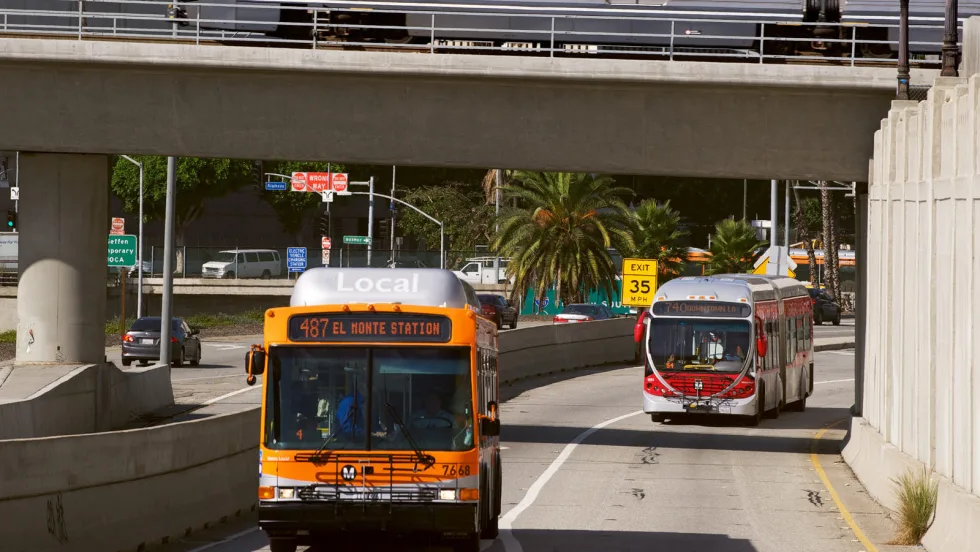
Read More →An interview with METRO blogger Scott Shepard where discusses the state of transit in the U.S., trends, and more.
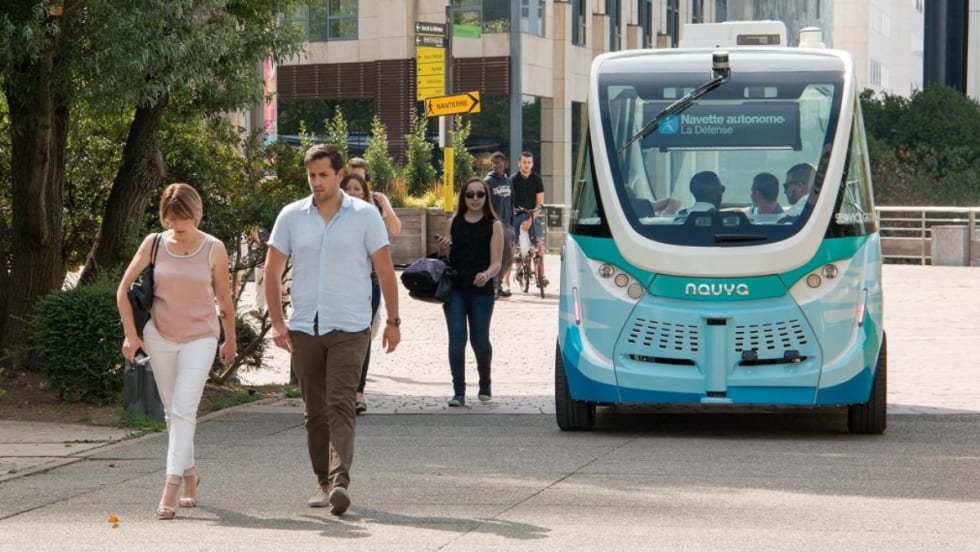
Read More →The new project wants to integrate AVs into cities with on-demand and door-to-door services.
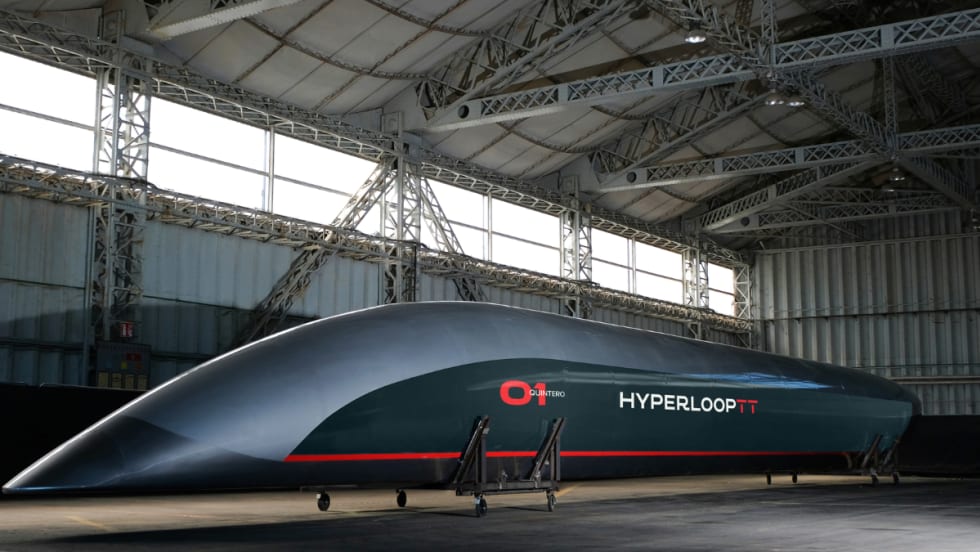
Read More →HyperloopTT and Forest Road have entered into a definitive merger agreement that is expected to result in HyperloopTT becoming a publicly listed company.
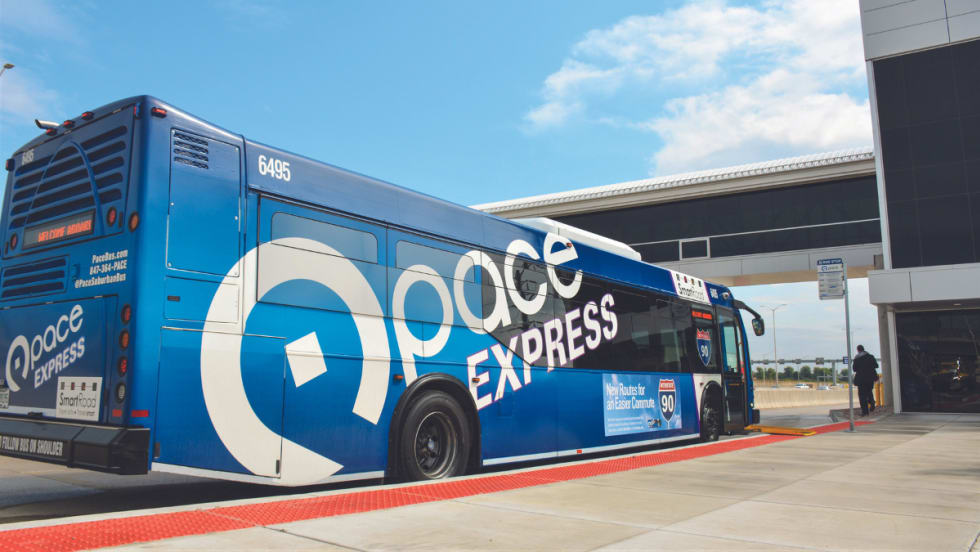
Read More →With a career spanning 40 years, Metzger, who was named executive director in March, discusses how exciting it is to take the helm during a time of growth and innovation. She also talks about what Pace is doing to increase its employee pool.
Read More →On World Car Free Day, people around the globe are encouraged to take a pledge to leave their cars parked for the day and explore alternative methods of transportation.
Read More →The platform encourages rider behaviors that help manage periods of peak demand and incentivizes additional ridership.
Read More →She will succeed Acting GM Carter Mau, who previously informed the board of his intent to retire in the coming months.
Read More →This year's winners bring technology to the forefront to solve different mobility issues and improve safety.
Read More →