



Ditch Your Car for World Car Free Day
On World Car Free Day, people around the globe are encouraged to take a pledge to leave their cars parked for the day and explore alternative methods of transportation.

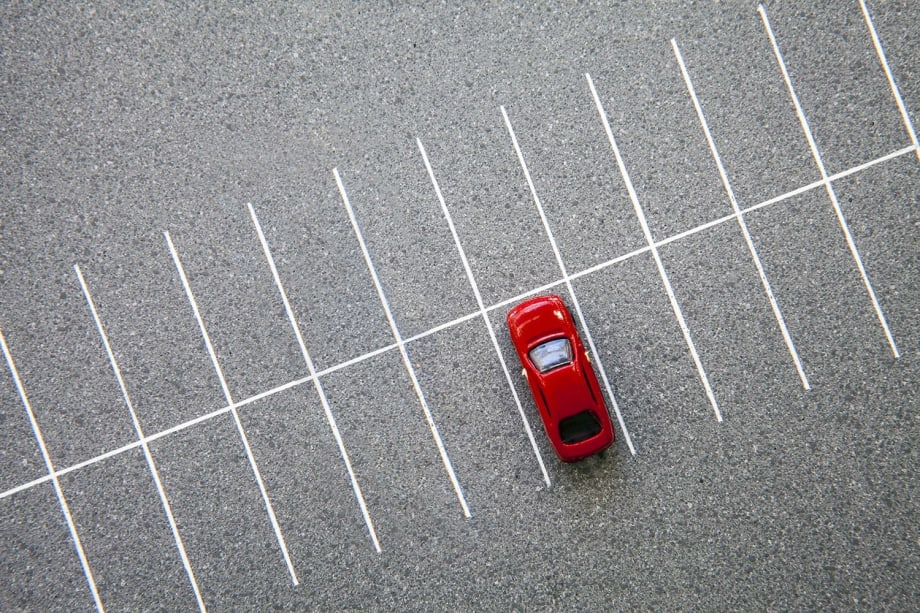
By eliminating one car and taking public transportation instead of driving, a saving of 30% of carbon dioxide emissions can be realized, according to the American Public Transportation Association.
Getty Images/gofotograf
On World Car Free Day, people around the globe are encouraged to take a pledge to leave their cars parked for the day and explore alternative methods of transportation. The day drives awareness of the impact driving a car has on the environment and highlights the numerous benefits of going car-free.
By eliminating one car and taking public transportation instead of driving, a saving of 30% of carbon dioxide emissions can be realized, according to the American Public Transportation Association. On this day, drivers are encouraged to give up their cars for a day and explore alternative options such as taking public transportation, riding a bike, or walking.
Why is this day important?
The transportation sector generates the largest share of greenhouse gas emissions. The number of miles traveled in a car can be used as a proxy for emissions, and it can measure how well a city is providing services such as public transportation. People drive instinctively out of habit, so World Car Free Day makes people stop and think about finding other options for their journeys. Even if it’s just for one day, it forces them out of their comfort zone to do something different and, in doing this, they may come to the realization that they prefer another mode of transportation.
What are alternatives to driving a car?
Rideshare: Have a co-worker that lives in your neighborhood? Arrange a carpool to share the commute and the gas expenses. Popular rideshare services like Uber and Lyft also provide a cost-effective alternative to driving a car.
Walk: Take the money that you might have budgeted for gas and buy a good pair of walking shoes. Just walking to a bus or train station to get you to where you ultimately need to go can benefit both the environment and your health.
Public transportation: As cities grow, so do the options for mass transit. Technologies like account-based fare collection, journey planning, and real-time passenger information are making using public transportation easier and more accessible to riders everywhere.
What are the benefits of participating in World Car Free Day?
Reduce pollution: Compared with driving alone, taking public transportation reduces CO2 emissions by 45%, decreasing pollutants in the atmosphere and improving air quality. Decreasing vehicle miles of travel will reduce congestion and harmful CO2 emissions.
Improve health: Walking or cycling to work not only helps the environment but also gives people an opportunity to increase their activity levels during their commute. There are obvious benefits, such as reducing risk of heart disease and weight management, that walking has on your health. Decreased stress from not having to sit in traffic is another benefit.
Reduce traffic congestion: In 2020, there were over 286 million vehicles registered on American roads. That number is expected to increase to approximately 290 million in 2022. Mass transit, such as buses and trains, can move large numbers of people and take cars off the roads which would reduce traffic.
Save money: According to AAA, gas prices reached a highest recorded average price of just over $5 per gallon of unleaded fuel on June 14, 2022. Opting for public transportation or walking can save money on gas and other expenses associated with driving a car.
The ultimate goal of participating in World Car Free Day is for people to realize there are alternative ways to get where they need to go. While this year's World Car Free Day has already come and gone, its message remains important for years to come: if one person changes their habits — even just for one day — then that’s quite literally a step in the right direction.
More Blog Posts
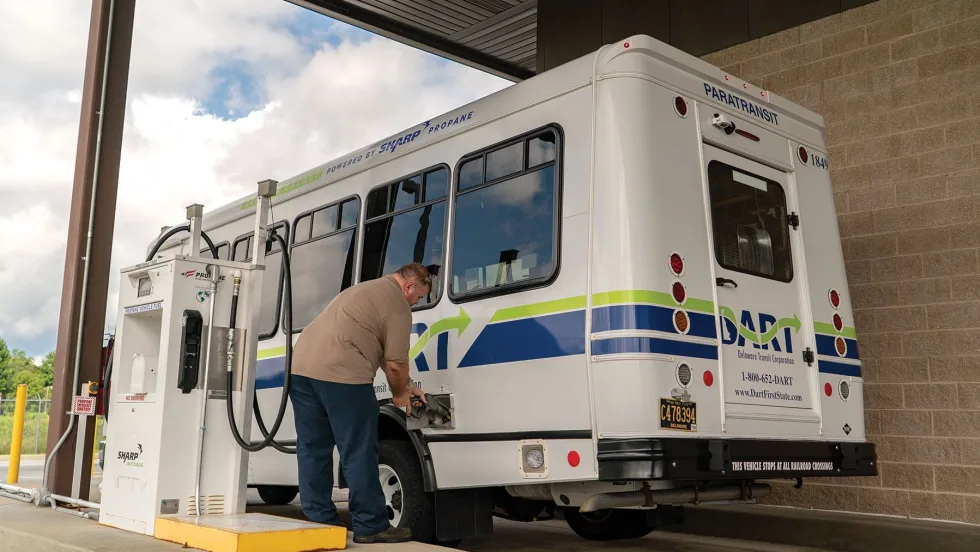
Building a Winning FTA Grant Proposal: Why Propane Autogas is the Pragmatic Choice for Fleet Resilience
With $610 million available through the FY 2026 Buses and Bus Facilities Competitive Program and the Low or No Emission Grant Program, agencies must build a compelling case before the September 21 deadline that balances environmental compliance with operational feasibility.
Read More →
Velo-city Conference 2026: Latest Trends in Cycling as Part of Urban Mobility
The global cycling conference highlighted how cities are integrating bicycles into multimodal transportation networks, expanding cycle tourism and reshaping urban mobility.
Read More →
Kindness Isn’t Soft...It’s Strategic.
Mike Bismeyer — often known as “The Kindness Guy” — has spent more than 17 years in public transit and mobility, serving in industry leadership roles, speaking across North America, and advocating for stronger workplace cultures. But his message doesn’t come from theory. It comes from lived experience.
Read More →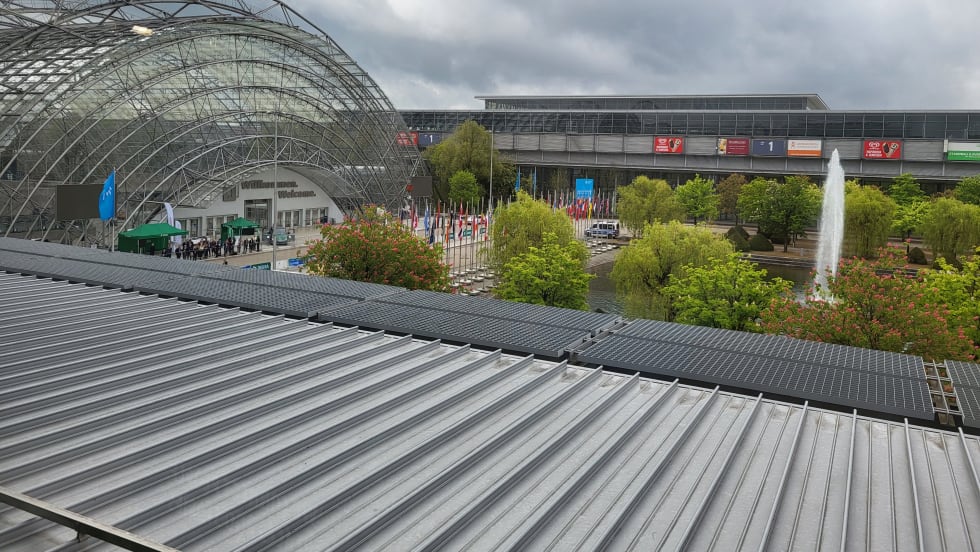
Inside ITF 2026: Transport Reacts to A Challenging World
Transport leaders from around the world gathered in Leipzig, Germany, for the 2026 International Transport Forum to discuss resilience, climate impacts, supply chains and the future of sustainable mobility.
Read More →
Every Ride Tells a Story — But You’re Not Just Selling the Ride
You’re selling the moment, the meaning, and the emotion behind it.
Read More →
How Digital Signage is Reshaping the Traveler Experience at Transportation Hubs
What was once a landscape of static signs has evolved into a responsive, immersive environment powered by real-time visual communication.
Read More →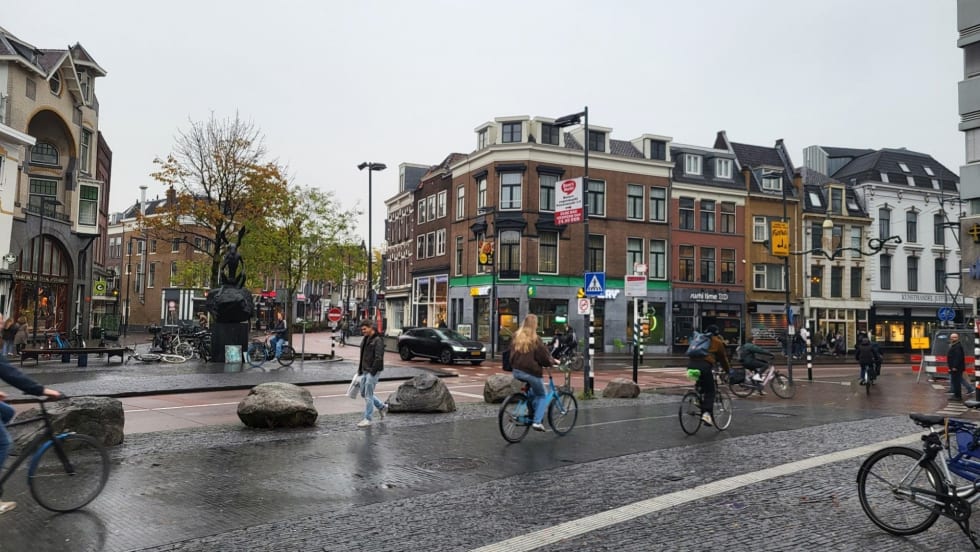
Latest Trends in Urban Mobility from Polis Conference 2025
Polis comprises cities and regions, as well as corporate partners, from across Europe, promoting the development and implementation of sustainable mobility. This year’s event had over a thousand attendees across various policy forums and an exhibition.
Read More →
Why Transit Leaders Require Better Tools for Operational Clarity In Today’s Tech-Fragmented Environment
Across North America and beyond, transit agency officials are contending with a perfect storm of operational headaches and strategic challenges that hamper daily service and long-term progress.
Read More →
The Powerless Brokers: Why California Can’t Build Transit
It is no secret that transit in the U.S. is slow and expensive to build.
Read More →
Why Transport Sustainability Should Focus on People Instead of Cars
Simply incentivizing electrification is not enough to make a meaningful impact; we must shift our focus toward prioritizing public transportation and infrastructure.
Read More →