




RELATED: The Brave New World of Recruiting
SamTrans Names New GM/CEO
She will succeed Acting GM Carter Mau, who previously informed the board of his intent to retire in the coming months.
October 13, 2022

April Chan is a 20-plus-year veteran of SamTrans, currently serving as acting deputy GM/CEO.
Credit:
San Mateo County Transit District
3 min to read
The San Mateo County Transit District’s (District) board unanimously appointed April Chan as its next GM/CEO, effective Nov. 1.
Chan is a 20-plus-year veteran of the Calif.-based agency, currently serving as acting deputy GM/CEO. She will succeed Acting GM Carter Mau, who previously informed the board of his intent to retire in the coming months.
The District is the mobility manager for San Mateo County, which operates SamTrans fixed-route buses and Redi-Wheels and RediCoast paratransit. In her new role, Chan also will serve as executive director of the San Mateo County Transportation Authority, which administers the Measure A transportation sales tax to fund transportation projects countywide.
She also will be responsible for services provided by the District to both the Peninsula Corridor Joint Powers Authority, which owns and operates the Caltrain commuter railroad, and the San Mateo County Express Lanes Joint Powers Agency.
Board Chair Peter Ratto stated, "The board was gratified to see the broad and diverse group of candidates from across the country who wanted to serve in this role. However, I am even more thrilled to appoint a GM/CEO who we know first-hand is ready to drive SamTrans into an ever-brighter future. Ms. Chan is an intelligent, thoughtful, savvy, and creative leader."
Over her 20-plus years at the District, Chan's professional successes have included:
Providing executive leadership and oversight for the Reimagine SamTrans comprehensive operational analysis, which overhauled the overall network of bus routes.
Collaborating with state, federal, and regional partner agencies, as well as private employers, to secure full funding ($550 million) for the San Mateo County U.S 101 Express Lanes project.
Serving on the executive team that provided direction for the completion of the first-ever equity study in the SF Bay Area region for express lanes, resulting in a San Mateo County Express Lanes Equity Program that provides community benefits to eligible disadvantaged county residents with either fare or express lane subsidies.
Leading the application process for a $647 million federal Core Capacity grant for the Caltrain Electrification Program, and working with the Metropolitan Transportation Commission and Caltrain's partners agencies to secure over $2 billion in funding for the project.
Initiating a study of the Dumbarton Bridge corridor area to assess potential trans-bay transportation solutions to help alleviate extensive traffic congestion in an area of expanding growth.
Chan also is currently leading the planning effort for replacement of the SamTrans headquarters building, including development of replacement options suitable for potential public-private partnerships with developers.
“I recognize the GM/CEO position will come with many challenges. As a next step after the recently completed Caltrain governance negotiations, I will be working with that agency's various leaders to negotiate a first-ever shared services agreement,” said Chan. “In addition, I will be responsible for the rollout and funding plan for the full electrification of the SamTrans fleet, to both fulfill the state mandate, and lead the District in meeting its sustainability and climate goals. I am looking forward to taking on these challenges."
More Management
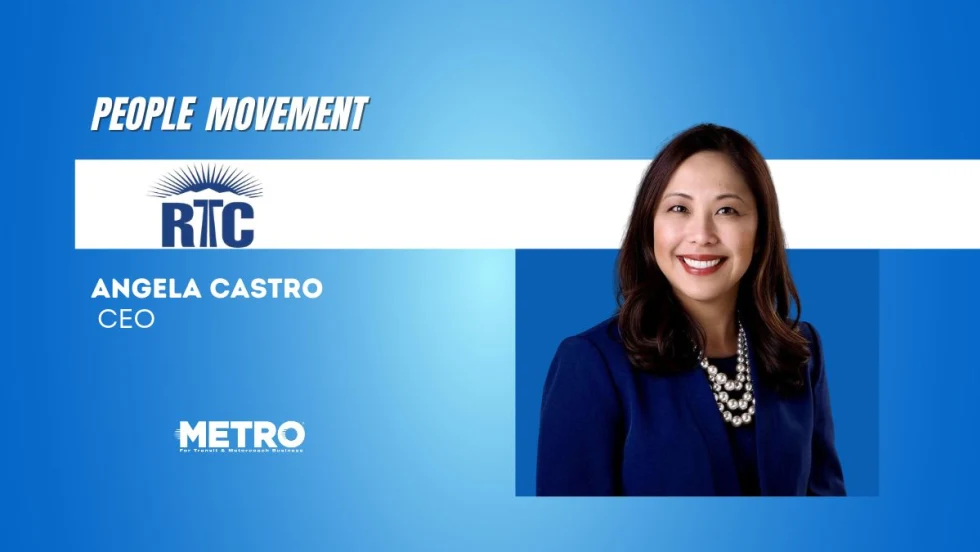
Castro to Lead RTC of Southern Nevada and More in People Movement
In this edition, we also cover recent appointments and announcements at the STV, MCI, and more, showcasing the individuals helping to shape the future of transportation.
Read More →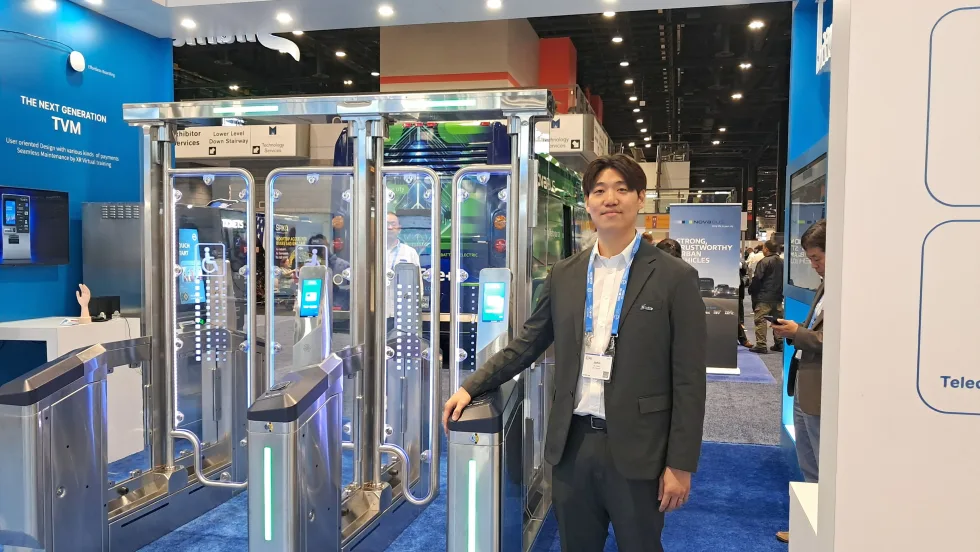
STraffic Expands North American Presence with Fare Collection Technology
John Moon, Associate Director, Product Strategy at STraffic, discusses the company's growth in North America, its efforts to reduce fare evasion, and more.
Read More →
Study: Denver RTD Generates $2.1 Billion in Annual Economic Activity
An economic impact study finds the agency supports approximately 17,500 jobs, delivers $1.6 billion in annual community and mobility benefits, and generates $2.42 in economic value for every dollar invested.
Read More →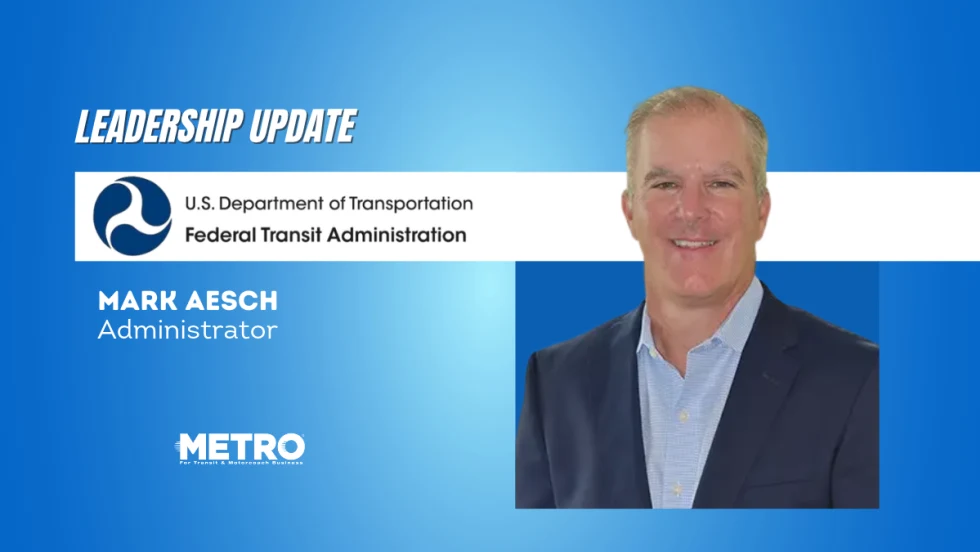
Mark Aesch Nominated to Lead Federal Transit Administration
The former Rochester transit chief and TransPro founder, who has also contributed to METRO Magazine, brings decades of industry experience and a focus on performance, accountability, and financial sustainability to the nomination.
Read More →
Best and Worst U.S. Cities for Public Transportation in 2026
A new analysis of 50 major U.S. urban areas ranks public transit systems based on accessibility, affordability, usefulness, and safety, highlighting where transit performs best and where challenges remain.
Read More →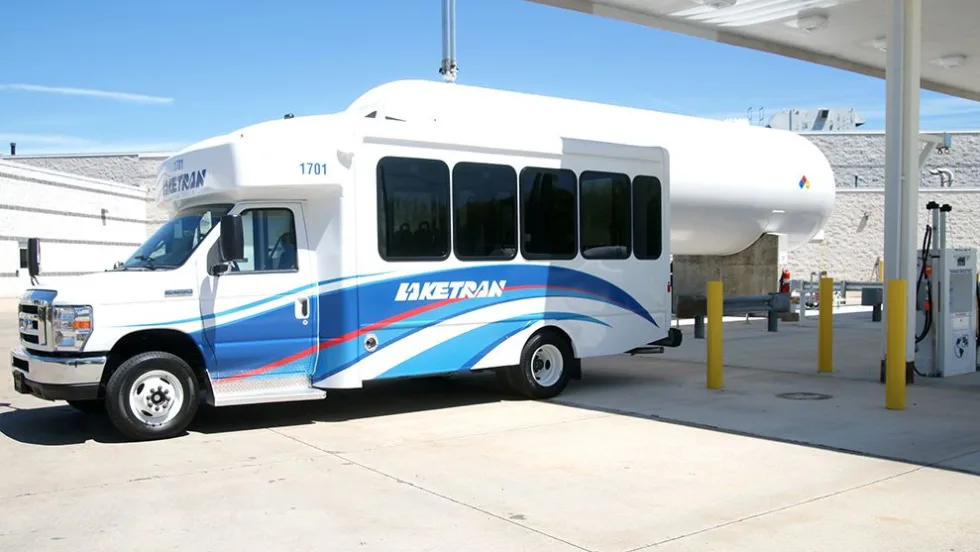
Laketran Cuts Fuel Costs, Boosts Efficiency with Propane-Powered Fleet
The Ohio transit agency is using propane-powered vehicles and on-site fueling infrastructure to cut fuel and maintenance costs while meeting growing demand for paratransit services.
Read More →
Canada’s Public Transit Supports $65.6 Billion in Annual GDP
New research from the Canadian Chamber of Commerce examines transit's economic contributions, including job creation and the financial implications of transportation investment.
Read More →
Pierce Transit Moves to Expand Fleet Following Proposition 1 Approval
The agency authorized the purchase or refurbishment of up to 60 buses to support a 47% service expansion, as voters nationwide approved billions in new transit funding.
Read More →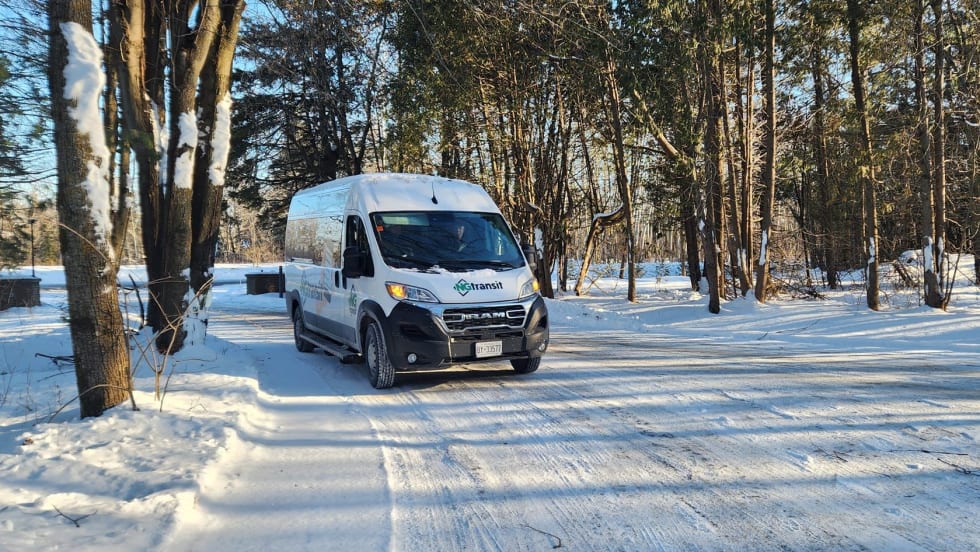
Right-Sizing Rural Transit: Lessons from North Grenville’s On-Demand Model
A small municipality shows how flexible service, rider needs, and public accountability can expand mobility with limited resources.
Read More →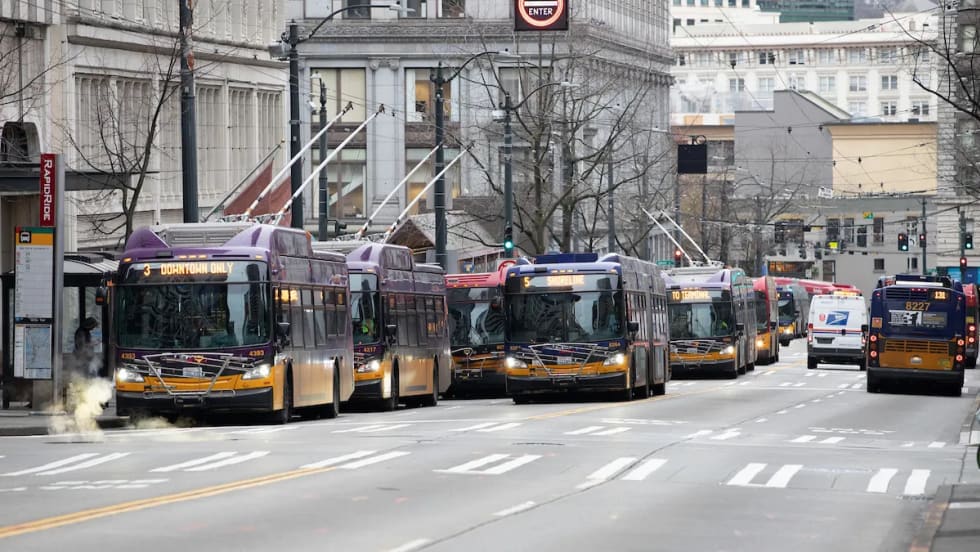
Transit Ballot Victories Signal Strong Voter Support: What Comes Next?
Voters approved billions in public transportation investments in 2026, giving agencies opportunities to preserve service, expand operations, and strengthen regional connections amid a changing political landscape.
Read More →