
Metro Magazine

 MENU
 SEARCHMENUSEARCH
Loading data...

Will focus on the changes made to the program in MAP-21 and highlight the expansion in available project eligibility and growth in grant applications.
Read More →

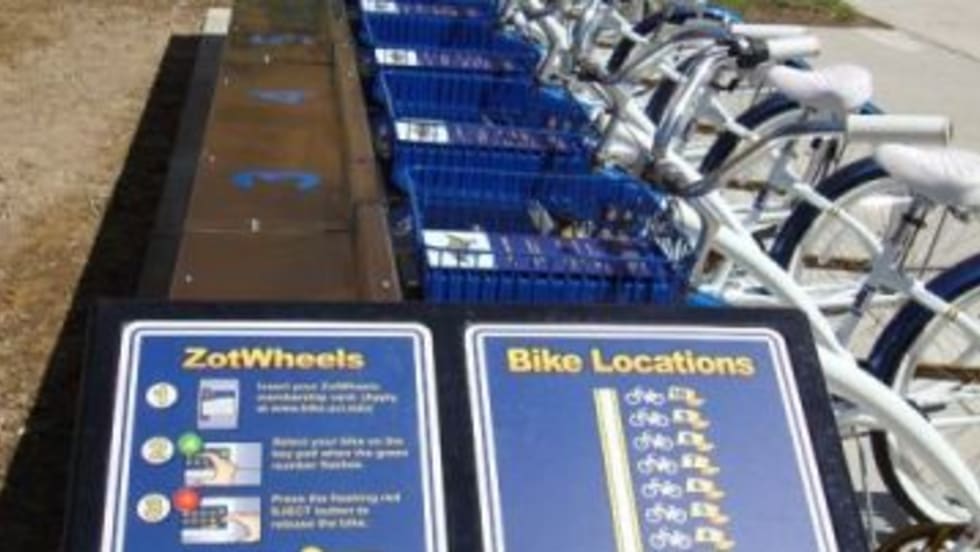
Big public universities are increasingly embracing cycling as a way to minimize the presence of cars, however, the university is on a hill, and the climate features snowy winters and blistering summers.
Read More →Some transit officials support the proposed program to provide free services to low-income seniors and people with disabilities, which would reduce the agency’s revenue by $4 million to $6 million annually.
Read More →The Location Affordability Portal will help consumers and communities better understand the combined costs of housing and transportation associated with living in a specific region, street or neighborhood and make better-informed decisions about where to live, work and invest.
Read More →Within three years, the agency is expected to use approximately 700,000 diesel gallon equivalents of CNG per year, which reduces greenhouse gases by 1,622 metric tons per year, the equivalent of taking 335 cars off the road per year.
Read More →The Playbook was developed through Metro’s SetGo Program, a national workshop series conducted with the American Public Transportation Association.
Read More →Only one of eight people who work in public transit planned for a career in this industry. In a job satisfaction survey recently conducted by TransitTalent.com, 13.5 percent of the respondents said they had transit career aspirations while still in school. About seven out of 10 (71.2 percent) said it was more or less an accident that they work in transit, and the remaining 15.3 percent said they ended up working in transit for “other” reasons.
Read More →Membership costs $40 annually and is available to students, faculty and staff with a valid UCI identification card.
Read More →To help alleviate the current financial burden on employees and students the planned $100-plus permit hike will not go into effect.
Read More →Calls for language to ensure the funds allocated to the traditional highway program go toward projects that restore transportation networks and funding for the high-speed rail and TIGER programs to create green jobs.
Read More →