
Metro Magazine

 MENU
 SEARCHMENUSEARCH
Loading data...
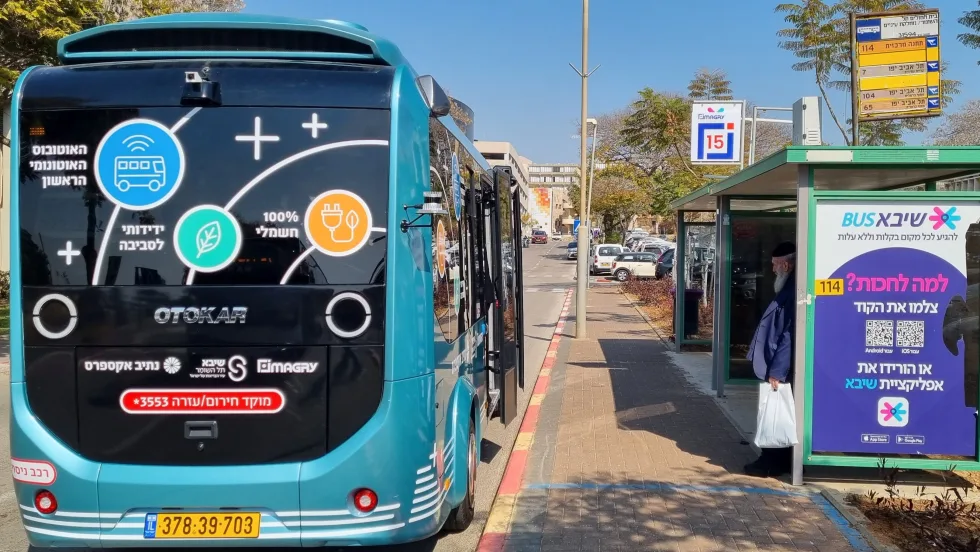
Autonomous vehicle technology has advanced dramatically and will likely reach mass markets in 2027. We examine how the technology is developed and what it means for public transportation systems and driverless buses.
Read More →




The analysis finds that a $4.6 trillion investment across all levels of government over 20 years ($230 billion per year) would be required to build, operate, and maintain a transit network that approaches the level of service within a cohort of 17 global cities with world-class transit systems.
Read More →He recently informed the Metro Board that he does not plan to seek a new contract or extend his current contract, which expires in May of this year.
Read More →The new QRT-360 meets the Rehabilitation Engineering Assistive Technology Society of North American's newly revised WTORS standard for effective wheelchair securement well in advance of the 2015 deadline.
Read More →The savings are based on the cost of commuting by public transportation compared to the cost of owning and driving a vehicle, which includes the May 27 average national gas price of $2.74 per gallon — reported by AAA — and the national unreserved monthly parking rate numbers.
Read More →The savings are based on the cost of commuting by public transportation compared to the cost of owning and driving a vehicle, which includes the average national gas price of $2.13 per gallon and the national unreserved monthly parking rate numbers.
Read More →The agency's tickets app users can now find a nearby Lyft or car2go within the app’s navigation drawer to help them get to and from their public transit stop.
Read More →The four include in automated highway in Atlanta, “tiny Google pods” in Los Angeles, on-demand BRT in New Jersey and autonomous bikes in Boston.
Read More →Encased in a glass and steel shell, the bright and modern facility dramatically improves the commuter experience and will accommodate up to 300,000 daily riders using the 2,3,4,5,A,C,J,Z and R lines.
Read More →With smart phones, sharing our location can be as easy as logging into an app. And, pop-up transit companies like Bridj and Shift are taking advantage of this data and creating a flexible transit system that comes to the customer instead of vice versa.
Read More →