
Metro Magazine

 MENU
MENU SEARCHMENUSEARCH
Loading data...

Gov. Kasich administration officials are rescinding former Gov. Ted Strickland’s three-year, $150 million funding pledge to Ohio's public transit agencies. Instead, the state will split $80 million in federal transportation funding among 59 local transit authorities through 2013.
Read More →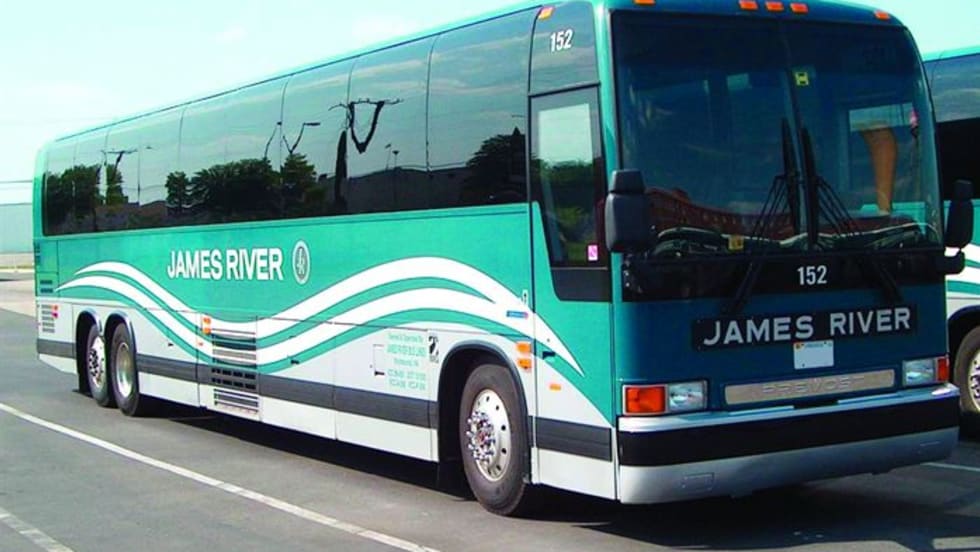
Measuring performance key for James River
Read More →An event, to be held on Dec. 6, will promote the $4.5M station to nearby residents. Since ridership will not meet Metro Transit’s 2010 goal of 80 million riders, transit officials hope the new station draws more passengers.
Read More →With a similar grant, Amtrak equipped a Heartland Flyer train operating between Oklahoma City, Okla. and Ft. Worth, Texas to run on a biodiesel blend known as B20, which is 20 percent pure biofuel and 80 percent diesel.
Read More →Other factors ranked as important in choosing the mode: Shorter travel times compared to flying to destination (80 percent); the experience traveling by train (79 percent); opportunities during leisure or business trip to visit another city that is linked to destination by high-speed rail (78 percent); and environmental concerns (75 percent).
Read More →Agency plans to reduce paratransit costs by $40 million this year and $80 million next year. The United Spinal Association is filing a lawsuit against the MTA, saying it’s not doing what’s necessary to make the subway system accessible.
Read More →Bus arrival information is available via Web, smartphone or text message and the system also allows dispatchers to detect and avert bunching of buses.
Read More →An $85,000 federal grant covered 80 percent of the purchase cost, with the remainder covered by donations and employee matching. In service for about a week, the bus is being monitored for mileage and performance.
Read More →NTSB chief commended OLI for its leading role in efforts to reduce highway-rail grade crossing accidents by more than 80 percent since its founding in 1972.
Read More →So far, Muni, BART, AC Transit, Golden Gate Transit, Golden Gate Ferry and Caltrain — representing about 80 percent of Bay area transit riders — are on the regional smart card bandwagon.
Read More →