
Metro Magazine

 MENU
 SEARCHMENUSEARCH
Loading data...

Line 10 includes two phases: phase one, which started revenue service in 2010, is around 23.4 miles long with 31 stations, and phase 2, which will add around 6.2 miles and 6 stations
Read More →


he total contract is worth about $3.2 billion and includes the set-up of a plant at Madhepura (Bihar state) and two maintenance depots at Saharanpur (Uttar Pradesh state) and Nagpur (Maharashtra state).
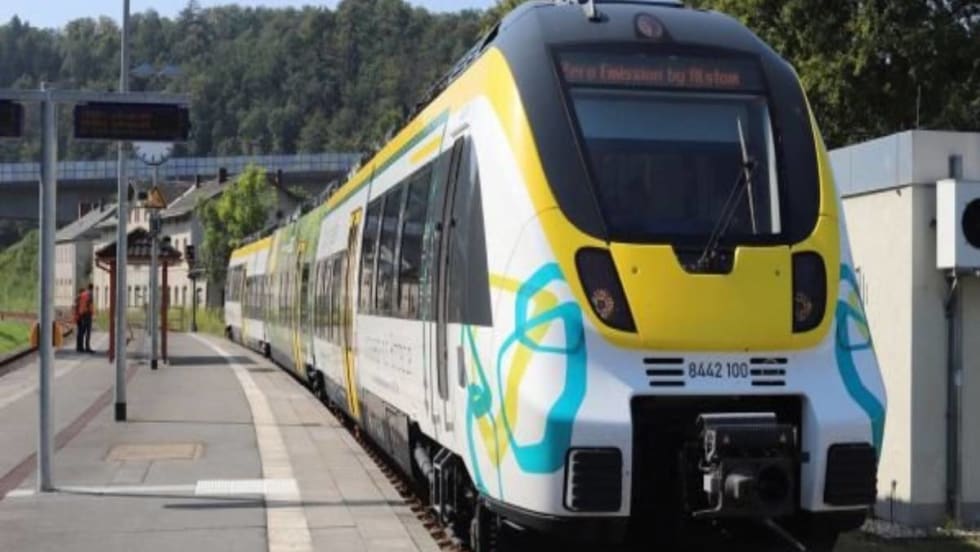
Read More →The project began in 2016 as a research partnership with the Technical University of Berlin.
Read More →The train, designed to reach a maximum speed of 250 mph, relies on 8 traction systems with 8 motors in powered bogies, delivering a total power of 10 MW and is capable of a commercial speed of up to 225 mph.
Read More →The new model from the X’Trapolis product platform features bogie offset articulation, which reduces the number of bogies by up to 30 percent, increasing aisle and gangway space, and making the train 28 percent lighter.
Read More →The train is designed according to the principles of basic platform and modular construction, which will allow rapid modification of rolling stock of different types and composition and adaptation of any future power supply.
Read More →The Songjiang district plans to build six tramway lines by 2020. The 30 Citadis trams will run on the two first lines, T1 and T2, that will cover a total distance of 31 kilometers and include 42 stations. These two lines are expected to be in operation by 2017 and transport 173,000 persons per day. In total, the city of Shanghai plans to build 800 km of tramway network by 2020[2].
Read More →Alstom, Entreprise Métro d'Alger, Ferrovial and Société Nationale des Transports Ferroviaires will extend Cital to include the assembly and maintenance of regional and intercity trains, in addition to its current focus on Citadis trams.
Read More →The trams will run on all three of the new lines, replacing the existing trams in reserved lanes.
Read More →In Germany, the planned reduction of 700 positions in the Salzgitter factory would address the necessary improvement of its competitiveness and its insufficient expected workload.
Read More →