
Metro Magazine

 MENU
 SEARCHMENUSEARCH
Loading data...

The Wave Streetcar is a 2.8-mile hybrid, fixed-rail system that would run in existing street lanes with other vehicles.
Read More →
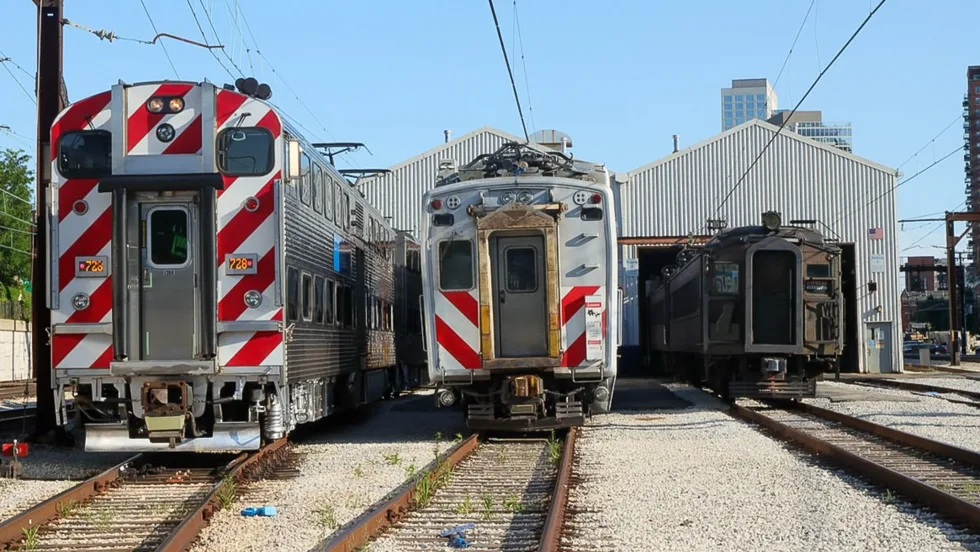



A look at the deadly situations people put themselves in when making a video on or near railroad tracks, from Operation Lifesaver Inc., the national rail safety education nonprofit. This public service announcement raises awareness of the dangers of trespassing on railroad property.
Read More →The event was also a celebration of recent reforms to public transportation in the Chicago area, changes that could be as transformative in the future as the major civic achievement a century ago, said officials.
Read More →Improving schedule reliability and helping drivers feel confident when using bus-only shoulders on suburban highways are two of the goals of the Driver Assist System currently being implemented by the MVTA. The system will be used in operating the state's first bus rapid transit line on Cedar Avenue, where buses will be operating on shoulders rather than on a full transitway.
Read More →Five Design-Build teams qualified for a short list and will compete for contracts to build the backbone of the high-speed rail system in the Central Valley. MOU outlines a shared commitment to development of high-speed rail in Southern California while providing funding for local early investment projects that will improve rail service immediately.
Read More →The proposed changes to the state's second-largest public transit system came as a result of overwhelming input of riders who asked for a flat fare, single-zone pay-on-enter system.
Read More →Plan would expand "transportation," improve "timeliness" and upgrade "technology." These three themes reflect public feedback to add more transit that goes to more places, more frequently, faster, on time and with improved customer amenities, especially the technology to check schedules and status of buses or trains online and from mobile devices.
Read More →The University of Pittsburgh and Chatham University will pay 60% of the $2.75 base fare for each trip taken in 2021, or $1.65, increasing 3% in each of the next five years, to 72% by 2026. The authority is in talks with Carnegie Mellon University to reach a similar agreement.
Read More →A bipartisan transportation package moving through Congress could redefine how the U.S. funds highways, transit, and motorcoach travel, while igniting new fights over electrification, regulation, and federal priorities.
Read More →Katharine Kelleman joined Port Authority as CEO in February 2018.
Read More →