



Minn. Valley Transit Authority wins innovation award
Improving schedule reliability and helping drivers feel confident when using bus-only shoulders on suburban highways are two of the goals of the Driver Assist System currently being implemented by the MVTA. The system will be used in operating the state's first bus rapid transit line on Cedar Avenue, where buses will be operating on shoulders rather than on a full transitway.

The Minnesota Valley Transit Authority (MVTA) received the Management Innovation Award for its Driver Assist System on Sept. 13, in a program sponsored by the Minnesota Public Transit Association (MPTA).
The MPTA Management Innovation Award is presented to "individuals or organizations that have implemented a project that is innovative to the field of transit or have established a creative new partnership or method of addressing transit-related concerns of transit users."
Improving schedule reliability and helping drivers feel confident when using bus-only shoulders on suburban highways are two of the goals of the Driver Assist System currently being implemented by the MVTA. The system uses technology developed by the University of Minnesota Intelligent Vehicles Lab and it combines GPS satellite tracking, on-board technology and specialized training in a simulator.
The system will be used in operating the state's first bus rapid transit line on Cedar Avenue, where buses will be operating on shoulders rather than on a full transitway.
Buses wrapped featuring components of the Bus 2.0 technology are operating in the Cedar corridor and will be operating in service using the new technology within the next several months.
The Award was presented at the Annual Minnesota Public Transit Association Conference taking place in Rochester, Minn.
More Bus

LA Metro, City of West Hollywood, and Partners Advance Smarter Bus Lane Enforcement
The award-winning partnership combines AI-powered detection with human oversight to improve bus reliability, accessibility, and enforcement efficiency.
Read More →
PSTA Modernizes Workforce Management with Digital Bidding System
The award-winning Workforce Transit Modernization project replaced paper bidding with a transparent digital platform, cutting administrative effort while improving access for operators.
Read More →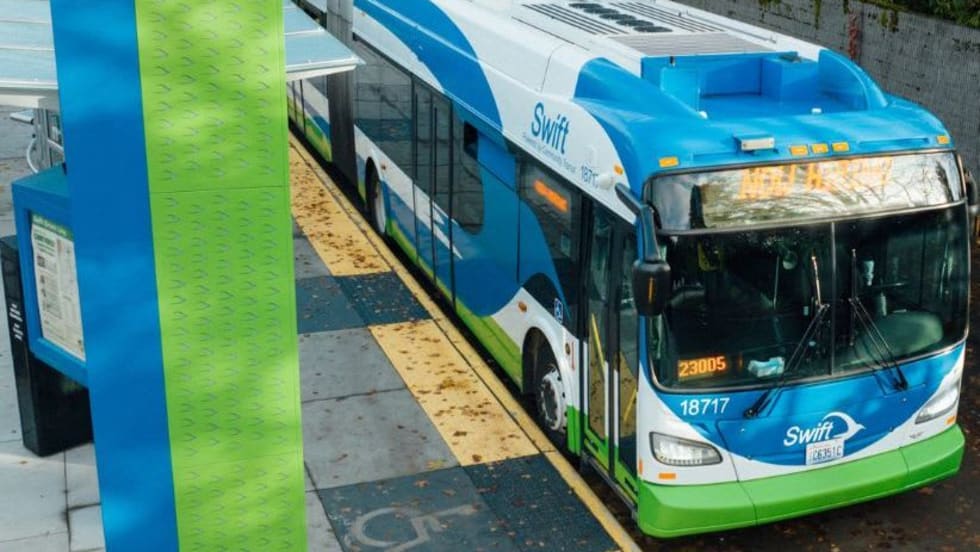
Washington's Community Transit Sets Six-Year Roadmap for Growth, Expansion
Approved TDP targets more bus service, new mobility options, Swift BRT expansion, and a potential Everett Transit annexation.
Read More →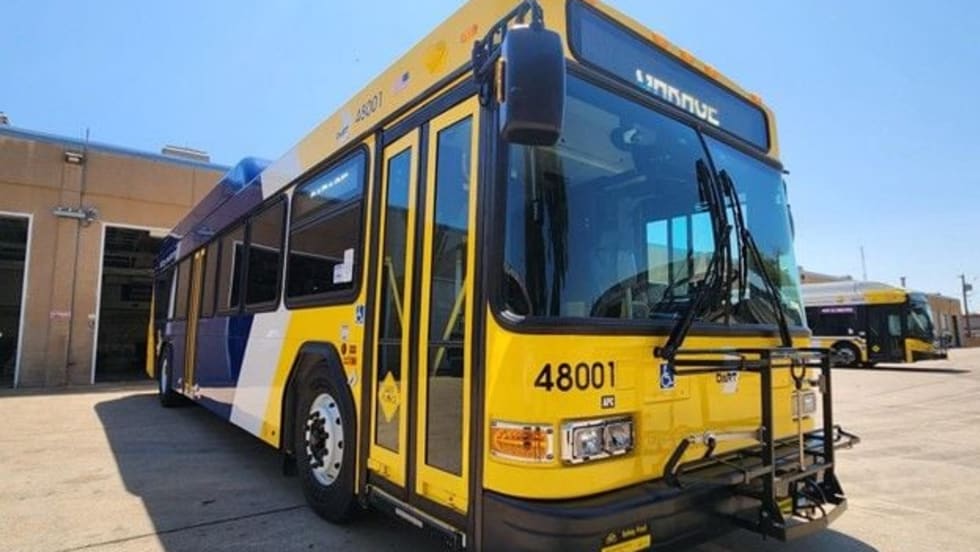
DART Customer Satisfaction Reaches Six-Year High
Overall satisfaction rose to 74.9%, while the agency’s Net Promoter Score reached a record 33.7.
Read More →
How DART's GoPass Is Redefining Regional Mobility
Serving 14 transit agencies, GoPass simplifies multimodal travel by allowing riders to plan, pay for, and manage an entire trip through one app.
Read More →
Biz Briefs: OCTA Taps Clean Energy for Hydrogen Station, Stadler to Supply Via Rail Vehicles, and More
From manufacturers and suppliers to transit agencies and motorcoach operators, these updates offer a snapshot of the projects, partnerships and business moves driving the industry forward.
Read More →
METRO Magazine Announces 2026 Innovative Solutions Awards Winners
Projects Recognized for Advancing Mobility Through Technology, Accessibility, Workforce Innovation, and Operational Excellence
Read More →
Biz Briefs: STV teams with Amtrak, Motorcoach Operators Boost Fleet and Land Contracts, and More
From manufacturers and suppliers to transit agencies and motorcoach operators, these updates offer a snapshot of the projects, partnerships and business moves driving the industry forward.
Read More →
LA Metro Marks Banner Year, Sets Ambitious Goals for New Fiscal Year
Incoming LA Metro Board Chair and Los Angeles Mayor Karen Bass joined outgoing Board Chair Fernando Dutra and LA Metro CEO Stephanie Wiggins to review accomplishments from fiscal year 2026, which included the opening of new rail extensions, advancement of major transit projects, expanded safety programs, and new rider amenities.
Read More →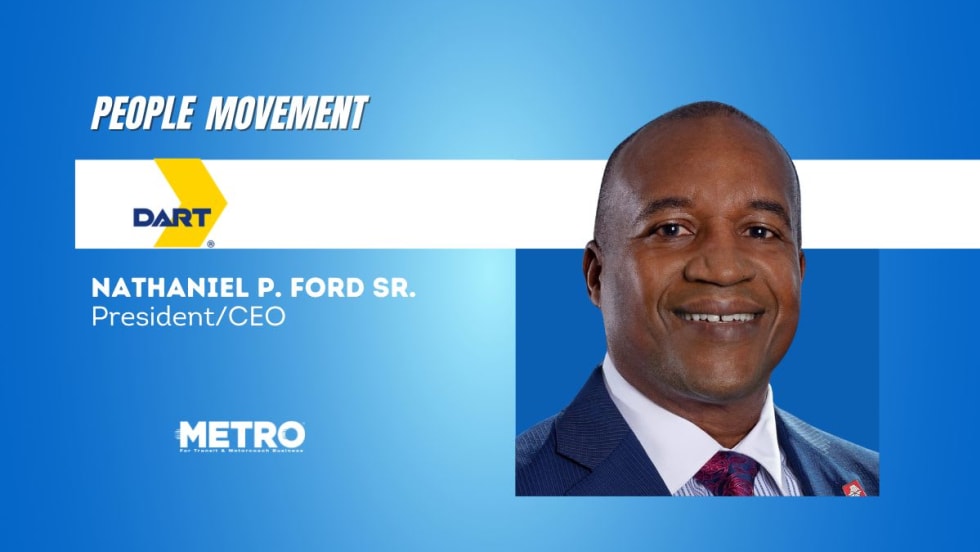
DART Taps Nathaniel P. Ford Sr. as Next President/CEO
Since 2012, Ford has served as the CEO of the Jacksonville Transportation Authority
Read More →