



Pittsburgh's Port Authority Approves New U-Pass Agreement
The University of Pittsburgh and Chatham University will pay 60% of the $2.75 base fare for each trip taken in 2021, or $1.65, increasing 3% in each of the next five years, to 72% by 2026. The authority is in talks with Carnegie Mellon University to reach a similar agreement.

Expansion of the program will coincide with the completion of the mobile ticketing rollout to Port Authority's light rail system next year.
Port Authority of Allegheny County
The Pittsburgh Port Authority of Allegheny County’s board approved a new five-year agreement that will continue to allow more than 40,000 students, faculty, and staff at local universities to ride public transit in Allegheny County for free.
The University of Pittsburgh and Chatham University will pay 60% of the $2.75 base fare for each trip taken in 2021, or $1.65, increasing 3% in each of the next five years, to 72% by 2026. The authority is in talks with Carnegie Mellon University to reach a similar agreement.
The universities currently pay 50% of the base fare, or $1.25, per trip under previous agreements executed in 2012.
“I want to extend a sincere thank you to our university partners. We are delighted to be able to provide transportation to their students, faculty, and staff,” said Port Authority CEO Katharine Kelleman. “Now that we have finalized these agreements with our existing university partners, we intend to expand this program to additional institutions so even more people riders can benefit.”
Expansion of the program will coincide with the completion of the mobile ticketing rollout to Port Authority's light rail system next year.
Port Authority began negotiations of the new agreements earlier this year following an extensive study of its fare structure by Four Nines Technologies. Four Nines’ study found Port Authority’s previous agreements were financially unsustainable and recommended increasing the institutions’ contributions.
The program has been a financial boon for the authority, leading to increased revenue each year since its inception in 2012. In Fiscal Year 2013, the universities paid Port Authority a total of $7.7 million for 6.2 million rides; they paid $11.21 million for nearly nine million rides in FY2019, accounting for more than 14% of the agency’s total passenger revenue that year.
More Management

Bringing Austin’s First Light Rail System to Life
Austin Transit Partnership CEO Greg Canally discusses the city's nearly 10-mile light rail project, its collaborative approach to project delivery, the importance of community engagement, and the milestones ahead as construction approaches in 2027.
Read More →
ETA CEO John Maglio on Transit Technology, Innovation, and Building Agency Trust
ETA founder and CEO John Maglio explores the evolution of transit technology, the importance of reliable systems, and how stronger partnerships can help agencies improve operations and the passenger experience.
Read More →
Metra Draft Plan Outlines Costs, Service Improvements for Regional Rail
The Systemwide Network Plan identifies infrastructure needs and potential investments to expand all-day, bidirectional rail service across the Chicago region.
Read More →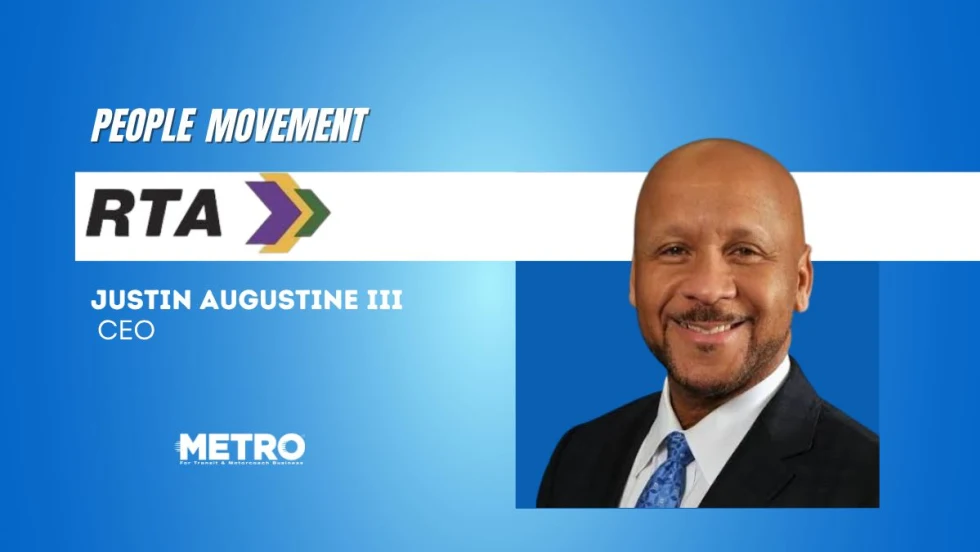
New Orleans RTA Names Augustine III as New CEO
In this edition, we also spotlight recent personnel moves at HDR, PATH, STV, and more, highlighting the people taking on new roles across the transportation industry.
Read More →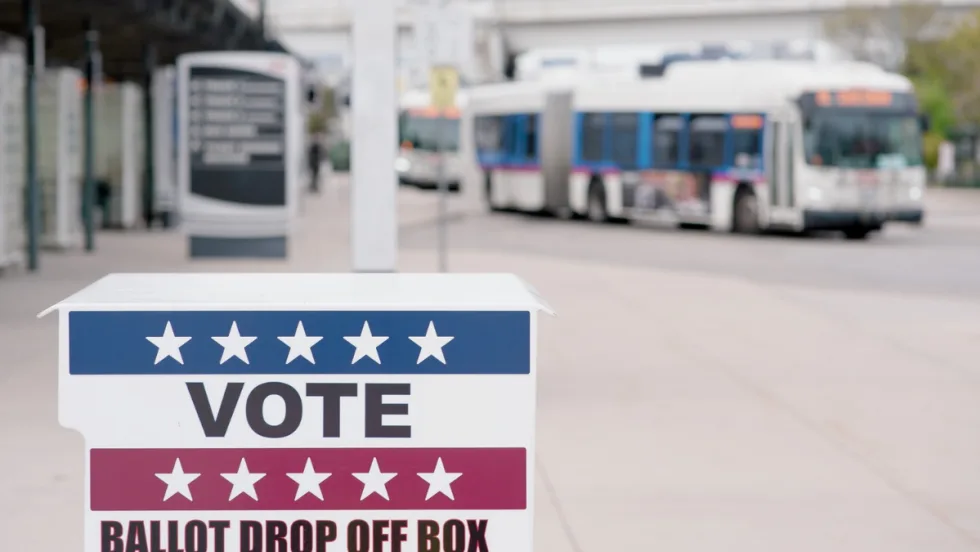
How Transit Agencies Are Using Free Rides to Improve Voting Access
Transit agencies are using fare-free service, trip-planning tools, and targeted rides to improve voting access. See what other agencies can learn from these efforts.
Read More →
Caltrain’s Electrification Drives a New Era of Ridership Growth
The railroad’s shift to electric service has brought more frequent trains, stronger customer satisfaction, and increased ridership, earning it APTA’s Outstanding Public Transportation System award.
Read More →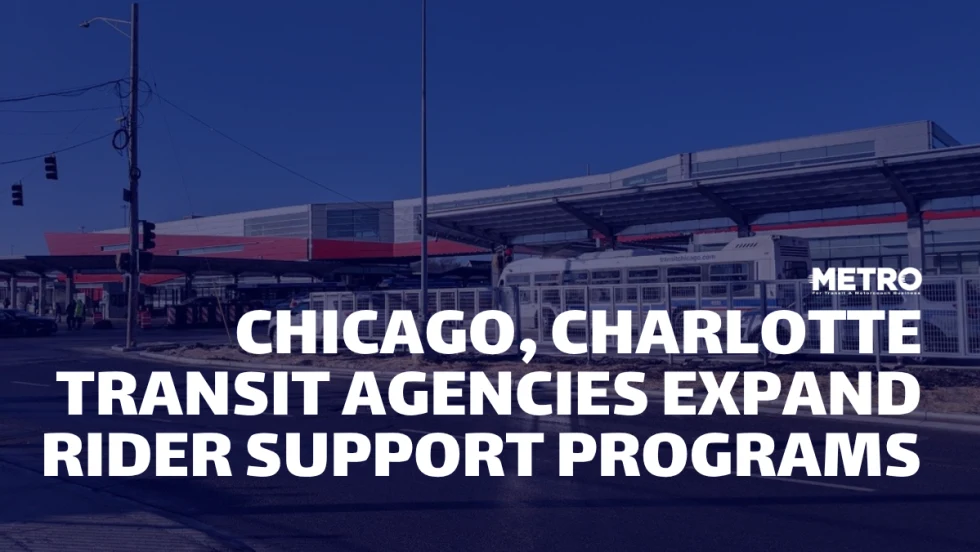
Chicago, Charlotte Transit Agencies Expand Rider Support Programs
CTA launched crisis intervention teams as CATS prepares to deploy fare ambassadors, expanding customer assistance and security efforts across both systems.
Read More →
New York MTA Launches Historic $1.9B Signal, Track Modernization Project
Funded in part by congestion pricing revenue, the project will replace nearly century-old signals along the A and C lines in Brooklyn and Queens.
Read More →
Brian Dickson on Building Stronger, More Resilient Transportation Organizations
Bus Business Consultants Founder Brian Dickson discusses the leadership principles, operational discipline, and strategic planning that separate transportation companies positioned for long-term success from those stuck in survival mode.
Read More →
LA Metro Breaks Ground on Vermont BRT Project
The 12.4-mile corridor is projected to serve 66,200 daily riders, reduce travel times by up to 24%, and create the nation's busiest bus rapid transit corridor.
Read More →