
Metro Magazine

 MENU
MENU SEARCHMENUSEARCH
Loading data...
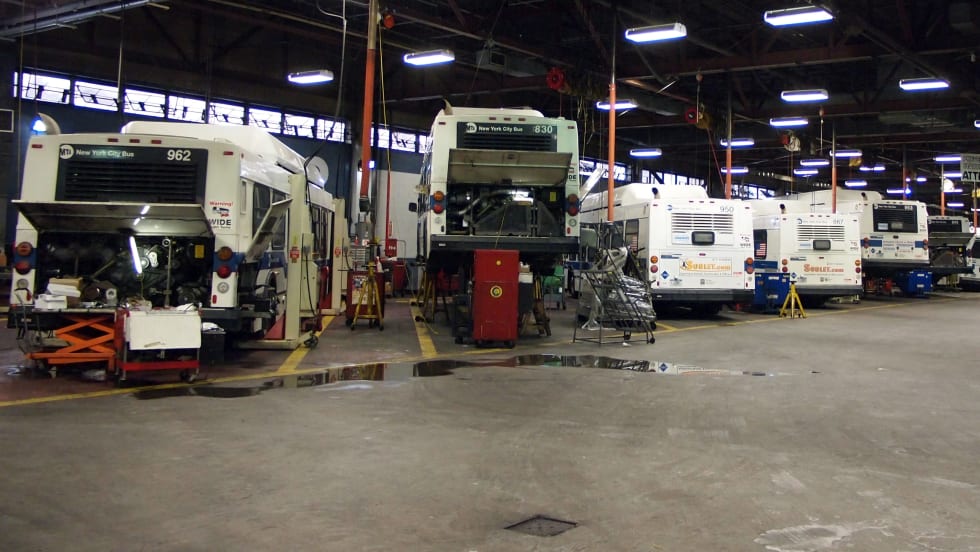
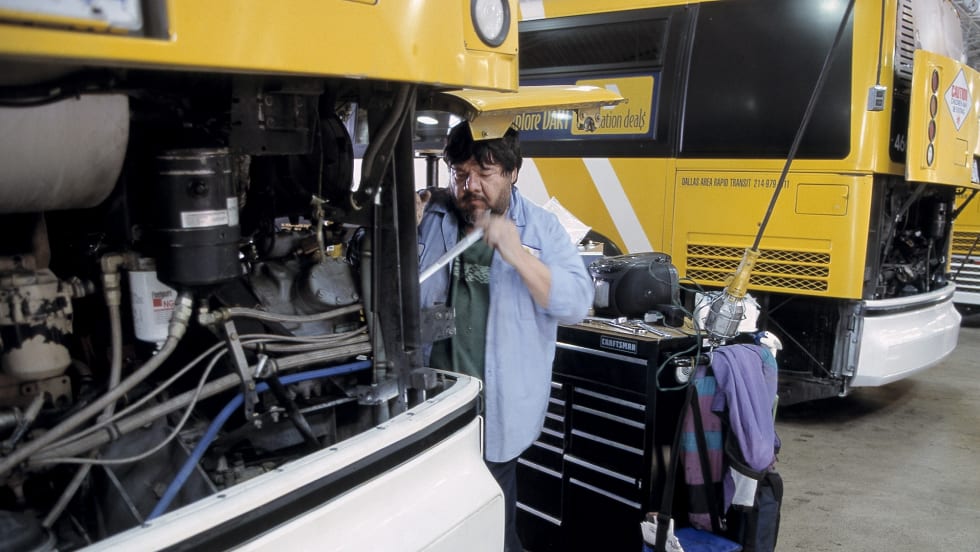
METRO’s annual Bus Maintenance Survey sees a growth in workforce issues compared to the first three installments, while more than 60% of the agencies who responded say they are buying more parts because they have to hold onto buses longer.
Read More →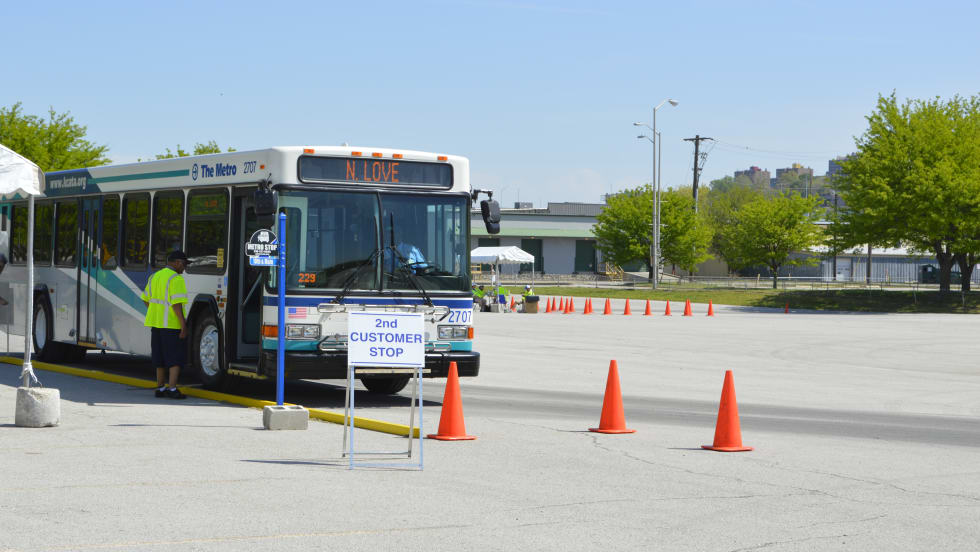



Going hand in hand with a standardized curriculum should be a standardized way of documenting student performance. When putting pen to paper, be sure an instructor’s documentation can be clearly understood by others who may need to refer back to it at a future date. Proper documentation is critical in the case of a student operator who may attempt to dispute a dismissal and may want to protest and pursue some type of legal options to challenge an instructor’s final evaluation.
Read More →Once completed, the leadership will understand the actions they can take to improve the behaviors of drivers to avoid unsafe acts and “Do It Right, the First Time, Every Time” in every function they need to perform.
Read More →A historically Champion-level partner in support of the association, HDR has announced it will increase its partnership with WTS to the Trailblazer level.
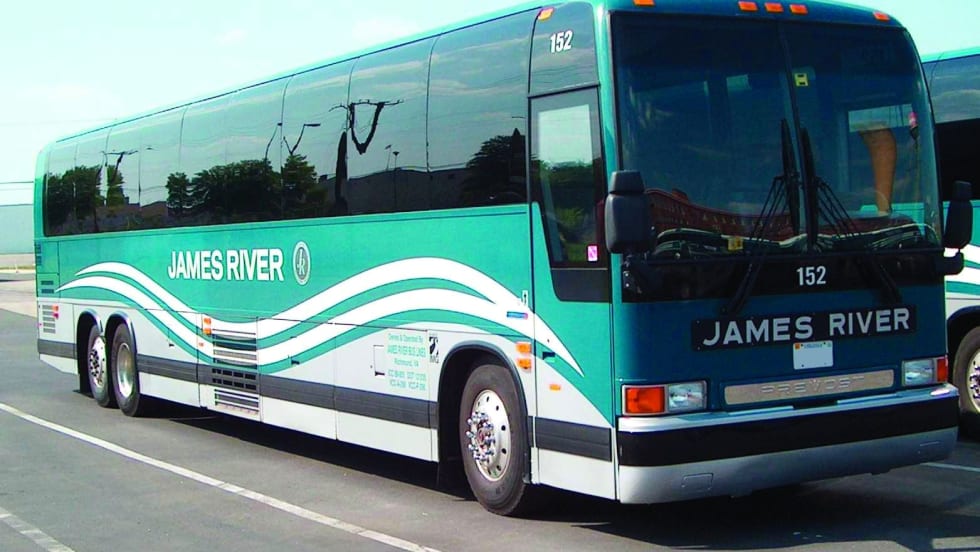
Read More →In November 2013, METRO Magazine spoke to Stephen Story about James River’s top-notch driver training and safety programs.
Read More →Former U.S. Attorney Patrick Fitzgerald voiced his concern during a meeting of a transit task force. The task force formed in response to allegations by former Metra CEO Alex Clifford that two Metra board members conspired to get rid of him because he would not “play ball” on patronage requests.
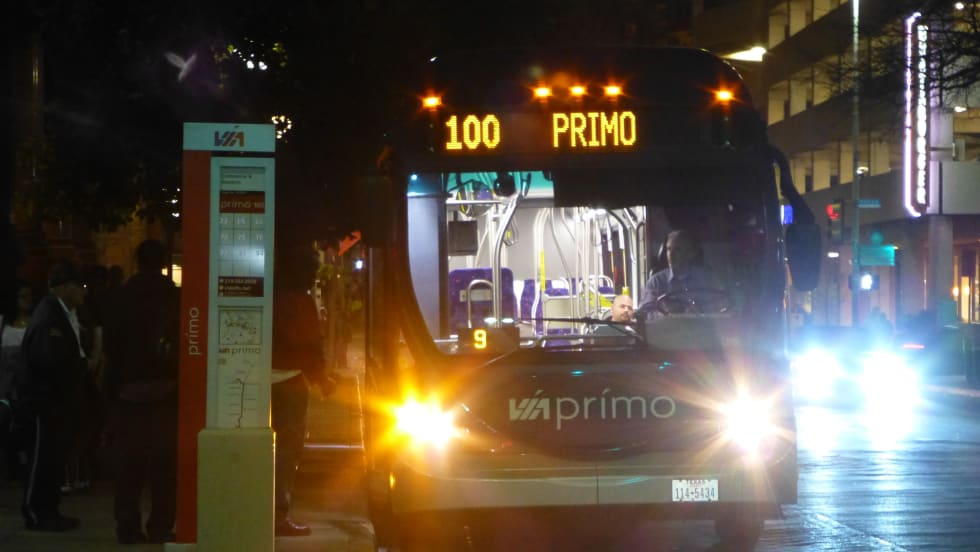
Read More →Operators can help make the streets safe for all by being more aware of pedestrians and proceeding with caution.
Read More →The campaign includes brochures and posters on buses and trains, as well as training programs for employees to identify and help potential victims.
Read More →Many are taking preventive actions, such as training, and providing assistance to operators in the aftermath of an incident.
Read More →METRO’s third annual survey finds that despite the growth in problems and lack of training, many agencies are not exploring a switch to all-electrical components. Revamped for 2013, the survey also includes information on fleet size and propulsion most often maintained, as well as amount of training and sources used to deliver that much needed education.
Read More →