
Metro Magazine

 MENU
MENU SEARCHMENUSEARCH
Trains will either have to slow down to 27 mph or halt until work is complete, depending on the circumstances, or be rerouted around job sites via single-tracking, according to the report.
Read More →
The agency, which released its initial findings on the Chicago Transit Authority crash, also recommended leaving brakes in a position to ensure that the trains can't move on their own.
Read More →The collision resulted in eight fatalities and injured 14. The bus was carrying 18 people, including the driver, when it overturned at about 2 p.m. while on the way to a gospel music gathering in Gatlinburg, Tenn.
Read More →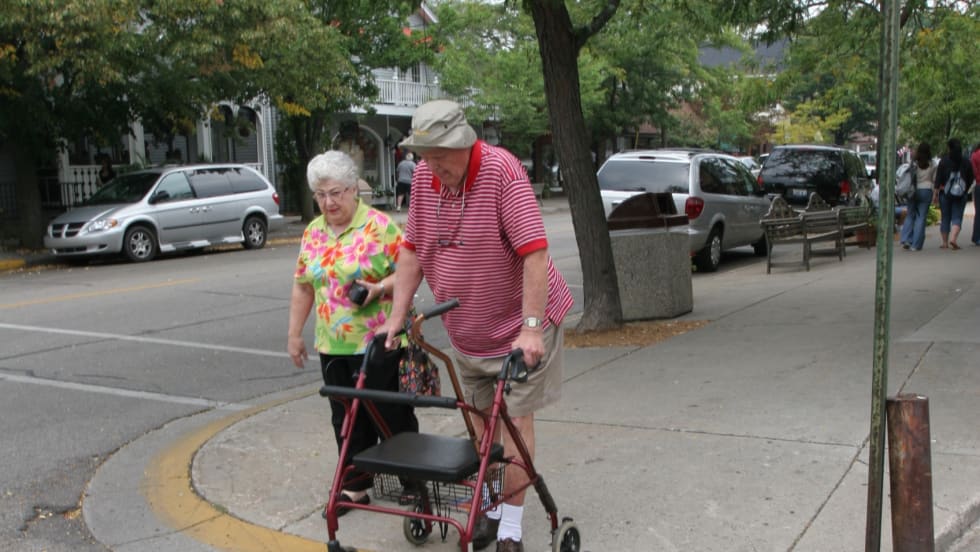
Operators can help make the streets safe for all by being more aware of pedestrians and proceeding with caution.
Read More →
NHTSA estimates that a connected vehicle network could potentially address 80% of all unimpaired crash scenarios, a safety leap exceeding even seat belts and airbags. The Research and Innovative Technology Administration and FTA are working with transit agencies and stakeholders to advance connected vehicle applications that will help improve safety, mobility and convenience for transit riders.
Read More →The bill would require the U.S. DOT to review pre-trip inspection procedures for brake adjustment and issue a new rule in three years, develop minimum performance standards and allow law enforcement to conduct en route inspections.
Read More →Said that the NTSB is "interested in providing solutions, not just identifying problems," and said it is imperative to "educate the public to make the choice to put safety first."
Read More →NTSB officials said late Tuesday that the collision occurred at a private crossing where the only marking was a stop sign.
Read More →The investigative group focusing on the track has learned from inspection reports that in April, maintenance work was done in the area of the derailment of the eastbound train. Records revealed that a joint bar, used to join two sections of rail together, was cracked and that it was repaired by Metro-North personnel.
Read More →An advocacy group cited anomalies in how the board classified motorcoach operators and calculated fatality rates, raising doubts about the report's conclusion that curbside companies, including most Chinatown carriers, are about seven times more likely to have passenger deaths than companies using terminals.
Read More →