



NTSB issues Metro North derailment investigation update
The investigative group focusing on the track has learned from inspection reports that in April, maintenance work was done in the area of the derailment of the eastbound train. Records revealed that a joint bar, used to join two sections of rail together, was cracked and that it was repaired by Metro-North personnel.

The National Transportation Safety Board’s (NTSB) go-team departed Bridgeport, Conn., on Thursday after completing the on-scene phase of the investigation into the May 17 derailment and collision of two Metro-North trains and will now begin to analyze the information gathered.
NTSB investigators have collected photos, video, data, reports and records, and other evidence; completed mechanical inspections of the railcars, the track and signal system; interviewed several Metro-North employees, witnesses and first responders; and thoroughly documented the accident site.
The investigative group focusing on the track has learned from inspection reports that in April, maintenance work was done in the area of the derailment of the eastbound train. The records revealed that a joint bar, used to join two sections of rail together, was cracked and that it was repaired by Metro-North personnel. Sections of rail in the area of the derailment have been removed and shipped to the NTSB materials laboratory in Washington, D.C. for further examination. In addition, Metro-North is conducting an inspection and inventory of all the joint bars on its main line tracks.
Initial information obtained from onboard event recorders indicates that the eastbound train derailed, came to a stop, and was struck about 20 seconds later by the westbound train. With regard to the westbound train, information from the recorders indicates that the westbound train engineer applied the emergency brakes prior to striking the eastbound train.
During an interview with the eastbound train engineer, he informed NTSB investigators that he saw what he described as an unusual condition on the track as he approached the Interstate 95 overpass. He also stated that the train came to a stop before being struck by the westbound train.
The Metro-North trains involved in this accident were traveling on two separate but parallel tracks. The collision occurred after the eastbound train derailed. Because the trains were not traveling on a single track, it is not believed that positive train control would have prevented the accident.
To read additional reporting from the AP, click here.
More Management
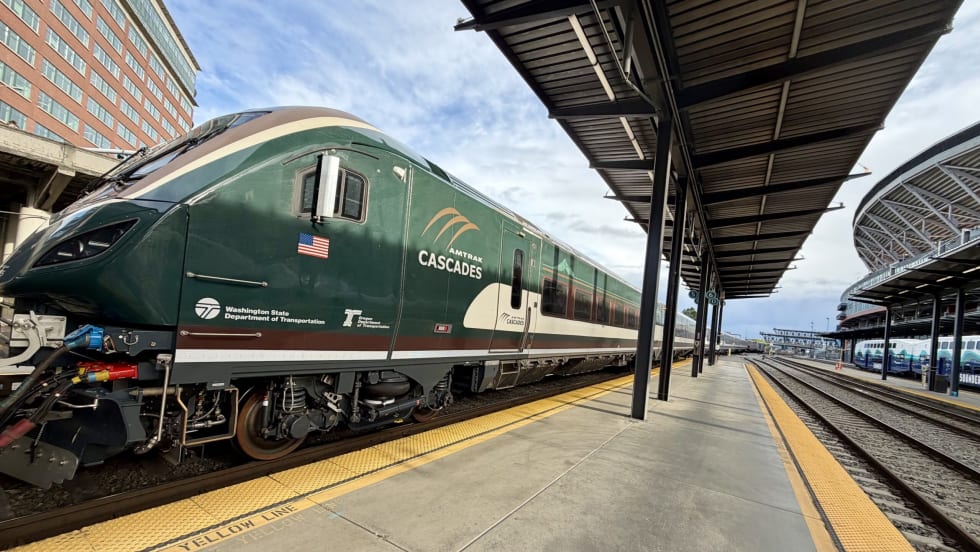
FRA Announces $5.3B in Rail Investments, Including $2B for Amtrak
Funding will support grade-crossing improvements, infrastructure upgrades, and new Amtrak equipment in 23 states.
Read More →
Finding the ‘Happy Medium’: Optimizing Maintenance Without Sacrificing Reliability
The key to maintenance optimization isn’t doing less work—it’s doing the right work at the right time on the right assets.
Read More →
People Movement: MARTA Drops Interim Tag on GM/CEO Hunt and More
In this edition, METRO covers recent appointments and announcements at the FMCSA, HDR, SilverRide, and more, showcasing the individuals helping to shape the future of transportation.
Read More →
VIA Metropolitan Transit Reports 2 Million More Passenger Trips as Better Bus Plan Gains Momentum
San Antonio's transit agency said accelerated service improvements are driving ridership growth, offering another example of how increased frequency and workforce investments can translate into stronger transit performance.
Read More →
ABAF Study Reveals Growing Insurance Crisis for Motorcoach Operators
Preliminary findings show 98% of operators faced premium increases over the past five years, while shrinking insurer participation is putting added pressure on businesses and customers.
Read More →
PSTA Modernizes Workforce Management with Digital Bidding System
The award-winning Workforce Transit Modernization project replaced paper bidding with a transparent digital platform, cutting administrative effort while improving access for operators.
Read More →
Chicago to Host Public Transportation's Biggest Gathering at APTA TRANSform & EXPO 2026
North America’s largest public transportation gathering returns to Chicago, connecting transit decision-makers with the technologies, ideas, and partnerships driving the industry forward.
Read More →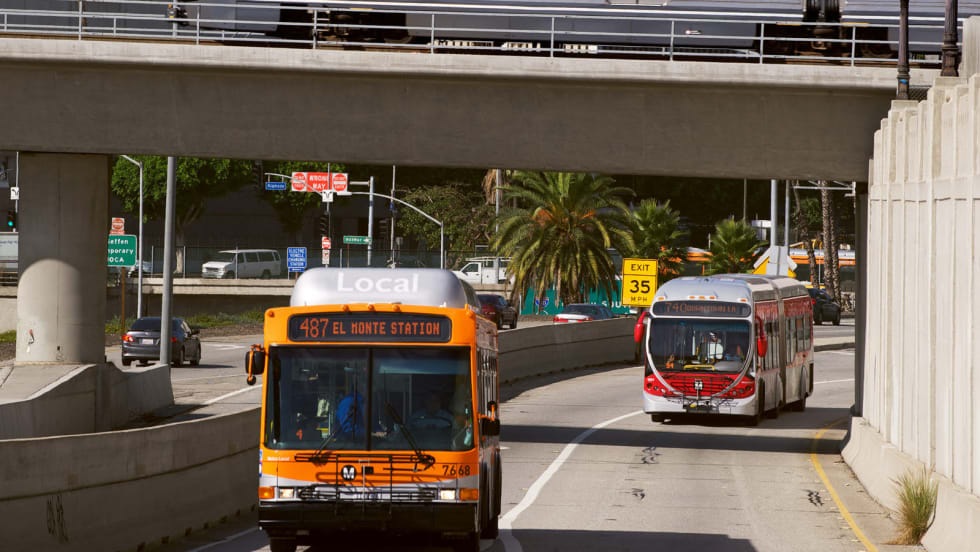
New Tricks for Old Bureaucracies: Joshua Schank on Making Transit Innovation Stick
Former LA Metro Chief Innovation Officer Joshua Schank discusses why good ideas aren't enough, how transit agencies can overcome resistance to change, and why today's challenges demand more innovation.
Read More →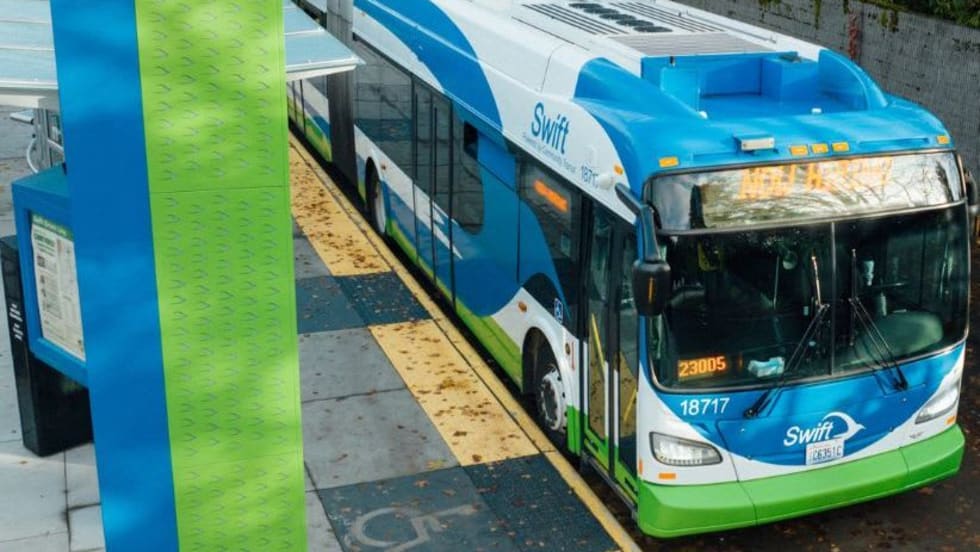
Washington's Community Transit Sets Six-Year Roadmap for Growth, Expansion
Approved TDP targets more bus service, new mobility options, Swift BRT expansion, and a potential Everett Transit annexation.
Read More →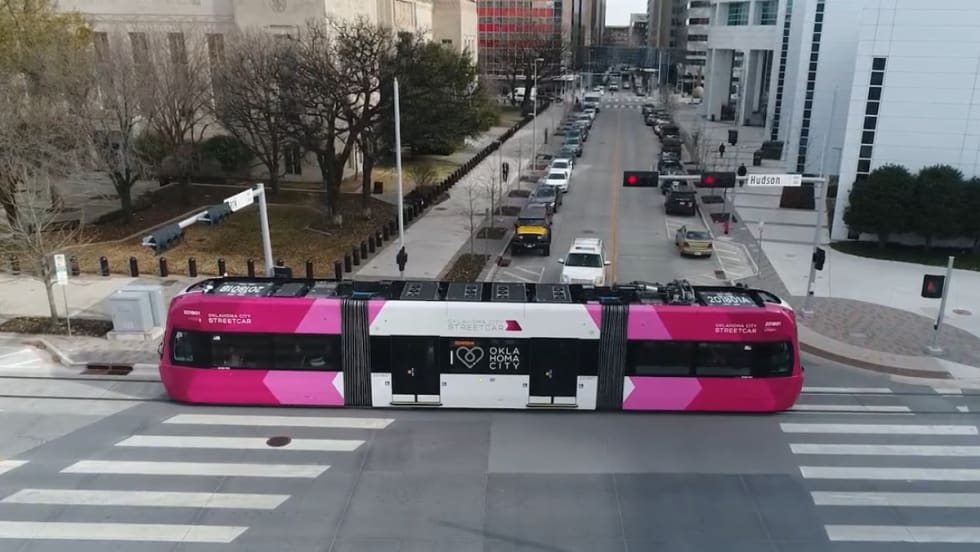
OKC Streetcar Makes Zero-Fare Service Permanent
Ridership increased an average of 71% compared with the same period a year earlier during the fare-free pilot.
Read More →