
Metro Magazine

 MENU
MENU SEARCHMENUSEARCH
Following the derailment at East Falls Church, Wiedefeld ordered a new round of inspections for all interlockings conducted by rail maintenance supervisors with track engineers participating.
Read More →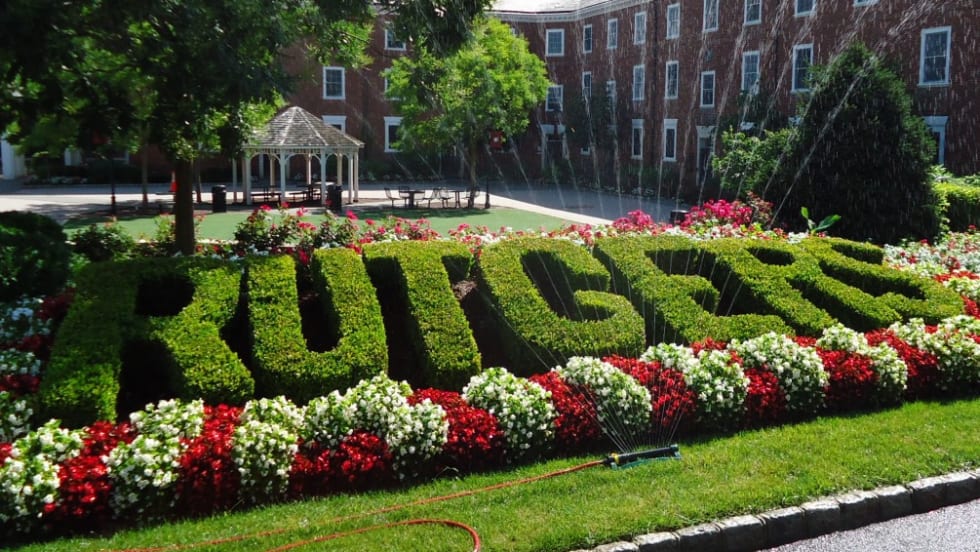
On the New Brunswick campus, the school issues about 5.5 tickets per driver on average — a total of about 90,000, according to parking records from the last three years. From June 2014 to June 2015, the school brought in $4,907,220 from parking citations.
Read More →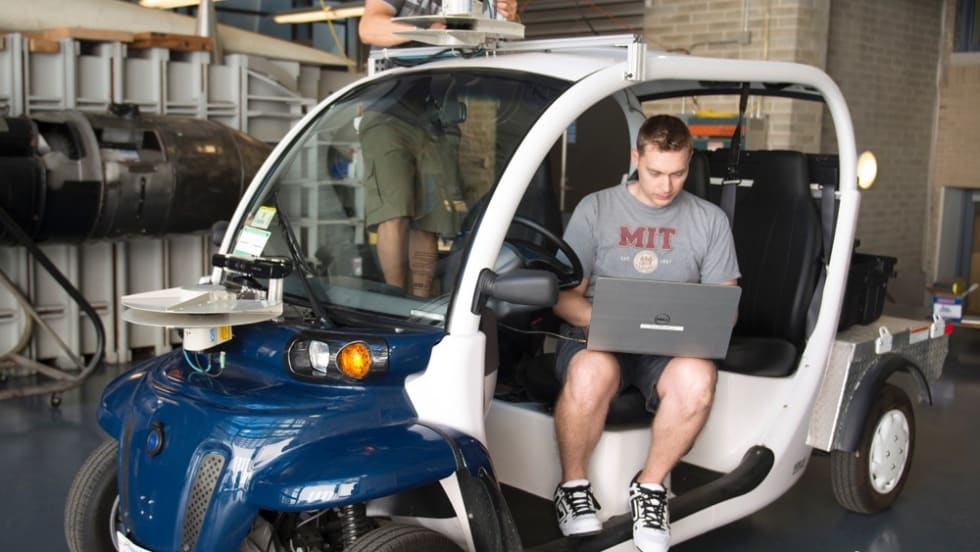
The project will introduce a fleet of on-demand electric vehicle shuttles that use LiDAR sensors and cameras to measure pedestrian flow, which ultimately helps predict demand for the shuttles.
Read More →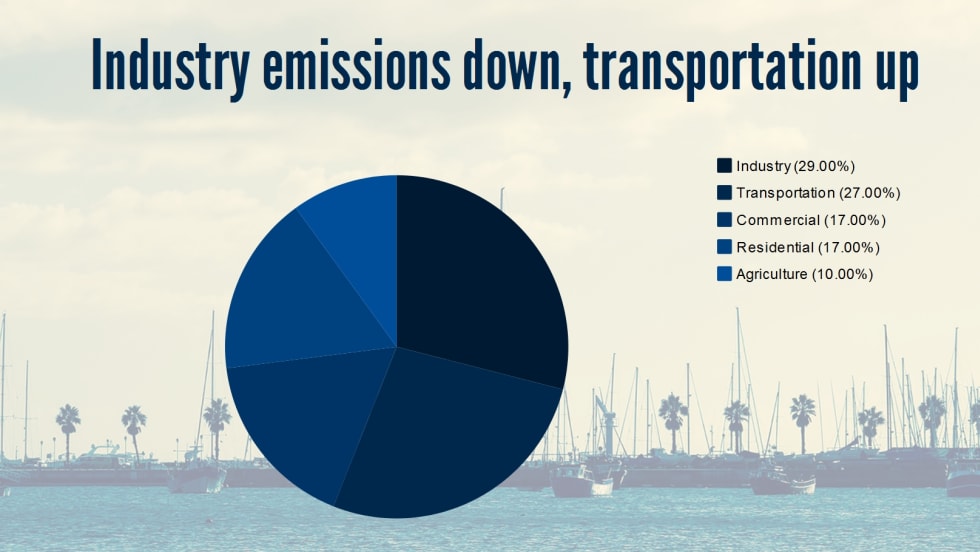
Industry, still the nation's largest emitter, accounts for about 29% of all emissions — down from nearly 36% in 1990. However, transportation — the country's second-largest contributor to greenhouse emissions — has increased its share from 24% in 1990 to 27% in 2014.
Read More →
Craig Shankwitz will lead the development of MSU's Western Transportation Institute research team that will explore and develop applications of autonomous and connected vehicle technologies to roads and transportation systems in rural areas and small cities, in both the public and private sector.
Read More →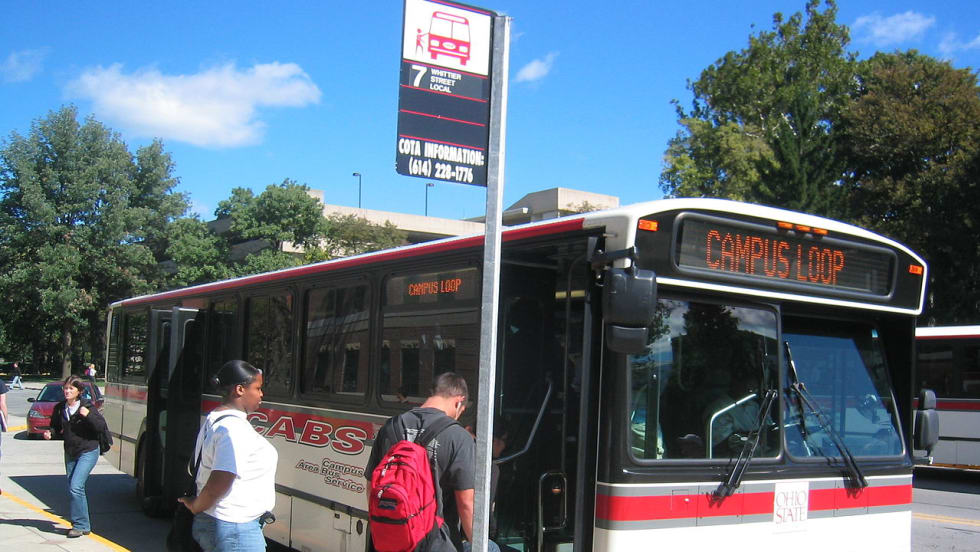
Campus Area Bus will fuel a portion of its fleet at the $3 million CNG station with long-term plans to transition all CABS buses and other fleet vehicles to alternative fuel models.
Read More →
The advanced Driver Assist System, utilizing a licensed GPS technology developed by the University of Minnesota, provides feedback to the driver regarding lane position – via graphic driver alert displays, virtual mirror, vibrating seat and actuated steering.
Read More →
Thanks to the agreement, a tap of the Uber app will help remove the employment barrier of getting to job interviews for blind and visually impaired BIT candidates in Colorado.
Read More →
While the new program will generate about $2.7 million for the current fiscal year, at about $1 a day for each student during the semester, the U•Pass offers an affordable transportation option for students to travel throughout the region for classes, internships, jobs and other activities.
Read More →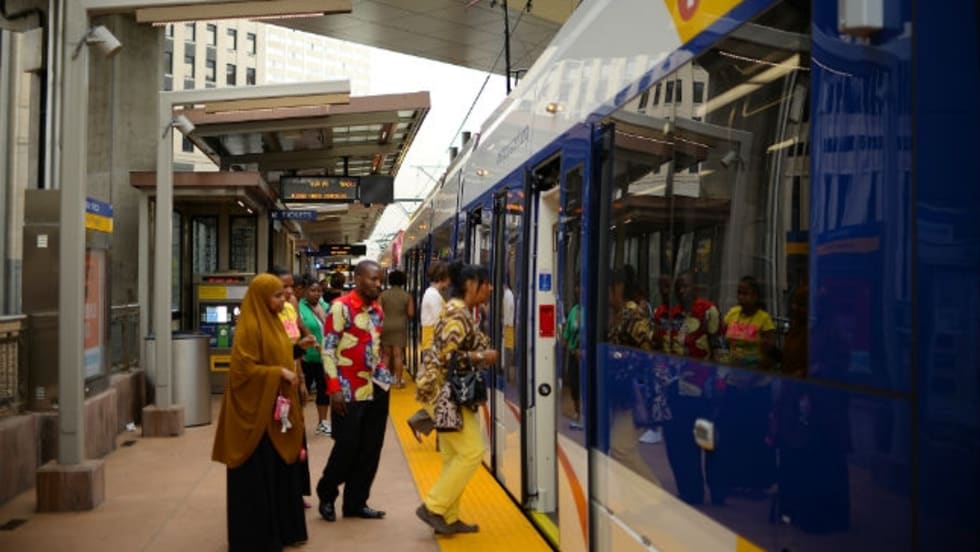
The new study analyzes such employment mismatches in the Twin Cities seven-county metropolitan area and examines the potential of a new approach that integrates transit planning and workforce development.
Read More →