
Metro Magazine

 MENU
 SEARCHMENUSEARCH
Loading data...

President Biden’s Bipartisan Infrastructure Law, invests $5.6 billion to support the purchase of cleaner American-made transit buses, train the transit workforce, and upgrade fueling and maintenance infrastructure.
Read More →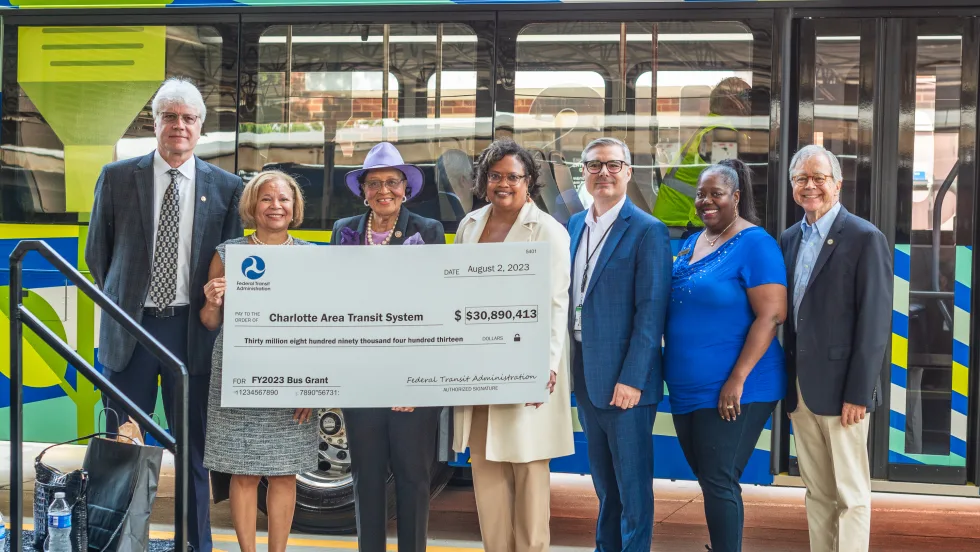




The grant funds are provided through the FTA’s competitive 2023 Low or No Emission and Grants for Buses and Bus Facilities Competitive Program, which is funded by the Bipartisan Infrastructure Law.
Read More →The transition to electric buses, Metro believes, can be paired with workforce development programs to bolster the local economy and create jobs and a pathway to the middle class for Angelenos.
Read More →Some of the country’s largest transit fleets are accelerating their alternative-fuel programs, with CNG, clean diesel and hybrid buses leading the pack. Meanwhile, fuel-cell propulsion remains in development.
Read More →Event will be held at Mardi Gras World on Oct. 2. Orion will unveil the new Orion VII diesel-electric hybrid bus powered by the Allison HP 40 system during this event.
Read More →On average, propane autogas costs as much as 50% less per gallon than gasoline and diesel.
Read More →Once constructed, the station will have the capacity to support up to 50 hydrogen fuel-cell electric buses.
Read More →For customers, that means convenient access to reliable real-time locations for buses on their smartphones, enhanced audio and visual announcements on every TARC bus for easier navigation of the system, and overall improvements to TARC’s operations.
Read More →As the industry landscape changes with new technology innovations in propulsion systems, software developments, and what “transit service” means, another aspect of the overall ecosystem has evolved: contract purchasing of zero-emission buses.
Read More →