



APTA, FTA, and Others to Take Part in White House Clean Bus Summit
President Biden’s Bipartisan Infrastructure Law, invests $5.6 billion to support the purchase of cleaner American-made transit buses, train the transit workforce, and upgrade fueling and maintenance infrastructure.


At the White House Roundtable on Clean Bus Manufacturing, moderated by the Center for Transportation and the Environment’s Dan Raudebaugh, APTA will present immediate measures that could be taken to fortify a more competitive and stable domestic bus manufacturing industry.
Photo: CTE
The American Public Transportation Association (APTA) will meet Feb. 7 with the Biden-Harris Administration, including officials from the White House, Federal Transit Administration (FTA), and other federal agencies — as well as representatives from suppliers, manufacturers, regional transit agencies, labor groups, and other stakeholders — to address challenges facing the U.S. bus manufacturing industry amidst the industry’s transition to low- and zero-emission buses (ZEBs).
At the White House Roundtable on Clean Bus Manufacturing, moderated by the Center for Transportation and the Environment’s Dan Raudebaugh, APTA will present immediate measures that could be taken to fortify a more competitive and stable domestic bus manufacturing industry.
The recommendations, developed by APTA’s Bus Manufacturing Task Force, will help ensure U.S. capacity to manufacture and deliver clean buses at the scale and pace needed to meet market demands and achieve national climate and equity goals while reducing costs for manufacturers and transit agencies.
“Preserving, protecting, and nurturing a highly competitive U.S. bus manufacturing market and building the capacity to transition to low- and zero-emission buses is essential,” said APTA President/CEO Paul P. Skoutelas. “Our industry is at risk with reduced competition and increasing bus acquisition costs. The result is reduced cash flow for manufacturers and lengthy delays for transit agencies. This is occurring at the same time that historical and much-appreciated federal investment is available to support public transit’s transition to clean fleets.”
Critical Roundtable as ZEB Focus Grows
President Biden’s Bipartisan Infrastructure Law (BIL), invests $5.6 billion to support the purchase of cleaner American-made transit buses, train the transit workforce, and upgrade fueling and maintenance infrastructure.
“Converting to low- and zero-emission buses and building the necessary charging and fueling infrastructure will deliver substantial operational and maintenance savings, make our communities healthier and more equitable, and support national climate goals. But the transition comes with challenges,” said Skoutelas. “Today’s productive discussion with the Biden-Harris Administration and other key partners underscores the critical need for ongoing cooperation around next-generation public transportation to ensure America’s future strength, success, and prosperity.”
To help address immediate cash-flow shortages, the Task Force recommends transit agencies incorporate three changes in bus contracts: Price adjustments, progress payments, and use of price indices.
More Actions Needed
Other immediate actions that the Task Force recommends include developing a set of bus procurement best practices and exploring ways to reduce customization in bus design, which can increase costs and delay the procurement cycle.
The Task Force also outlined several longer-term approaches to enhancing competition and to funding the transition to zero-emission fleets.
The Task Force is led by Dorval R. Carter Jr., former APTA chair and president of the Chicago Transit Authority, together with Task Force Vice Chair Richard A. Davey, president of New York City Transit. Task Force members represent a diverse constituency of the public transportation industry.
More Zero Emissions
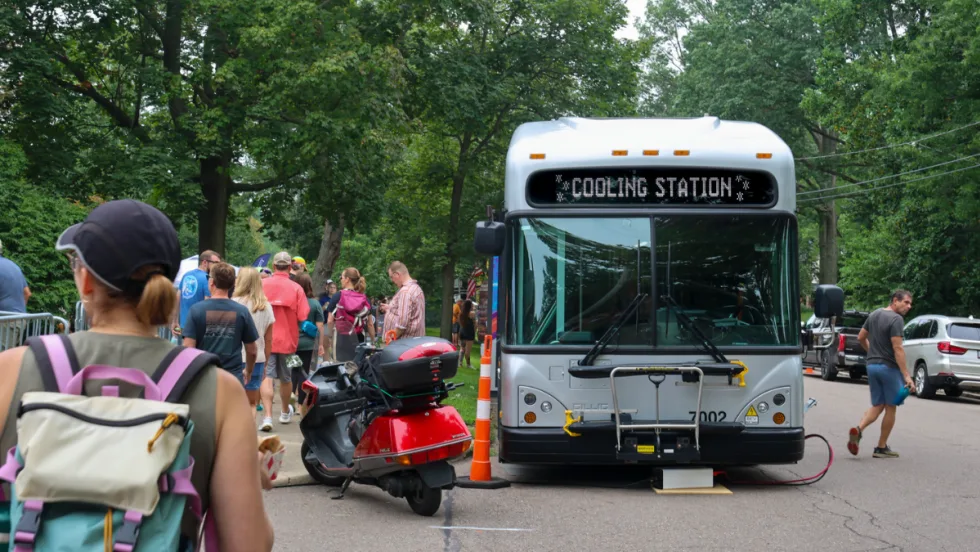
Ohio’s METRO RTA Turns Electric Buses into Mobile Power Sources at PorchROKR
See how three Gillig battery-electric buses powered festival stages while the agency’s new Park & Ride service carried approximately 1,000 attendees, demonstrating another potential use for transit agencies’ electric fleets.
Read More →
CALSTART and Forth Combine to Form Catalyst Mobility
The new name represents a renewed vision for the nonprofit focused on advancing clean, equitable, and affordable transportation solutions that move people and goods.
Read More →
Building a Flexible Path to Transit Electrification
John Hroncich discusses BAE Systems’ modular and scalable approach, lessons learned from decades of real-world operations, and how agencies can identify electrification strategies that fit their fleets.
Read More →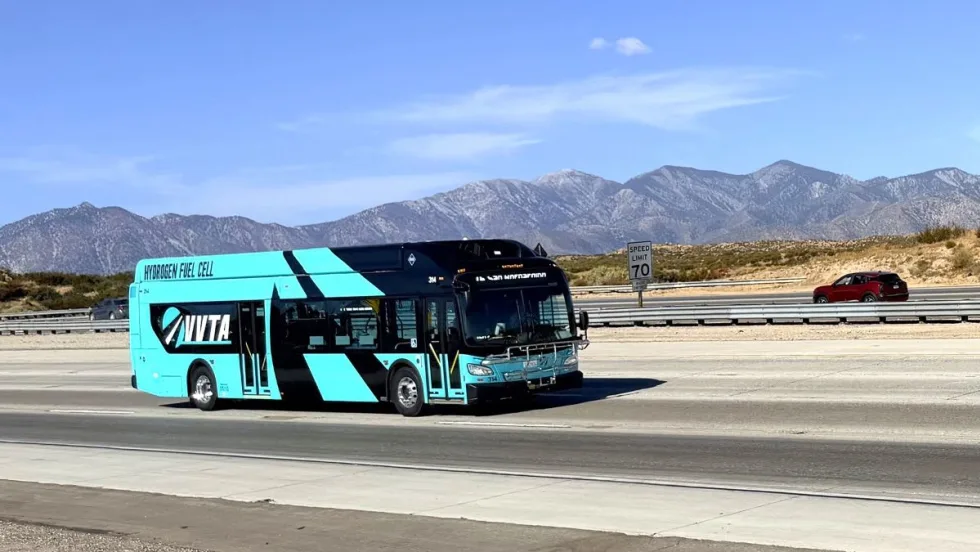
California's VVTA Begins Phased Rollout of Hydrogen Fuel Cell Buses
The agency is introducing 13 zero-emission buses into revenue service while evaluating performance across its urban, rural, and long-distance routes.
Read More →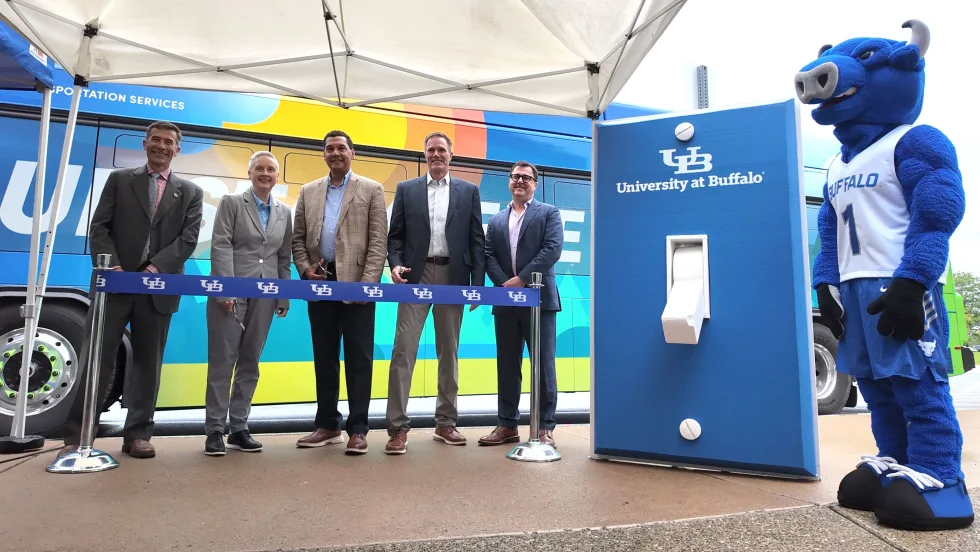
Inside Look: University at Buffalo Puts First 8 Electric Buses Into Stampede Service
UB, transportation solutions provider WeDriveU, and fleet electrification specialist Zenobē marked the deployment in the presence of students, university administrators, and local officials.
Read More →
Biz Briefs: OCTA Taps Clean Energy for Hydrogen Station, Stadler to Supply Via Rail Vehicles, and More
From manufacturers and suppliers to transit agencies and motorcoach operators, these updates offer a snapshot of the projects, partnerships and business moves driving the industry forward.
Read More →
AC Transit’s Cecil Blandon on Building the Next Generation of Transit Maintenance Leaders
The agency’s maintenance chief discusses leadership, workforce development, zero-emission technology, and preparing technicians for the future of public transportation.
Read More →
CTDOT Taps STV for Electric Bus Facility Design
The firm will work with CTDOT and RVT to define the facility layout, operational requirements, and long-term flexibility for RVT’s growing electric fleet.
Read More →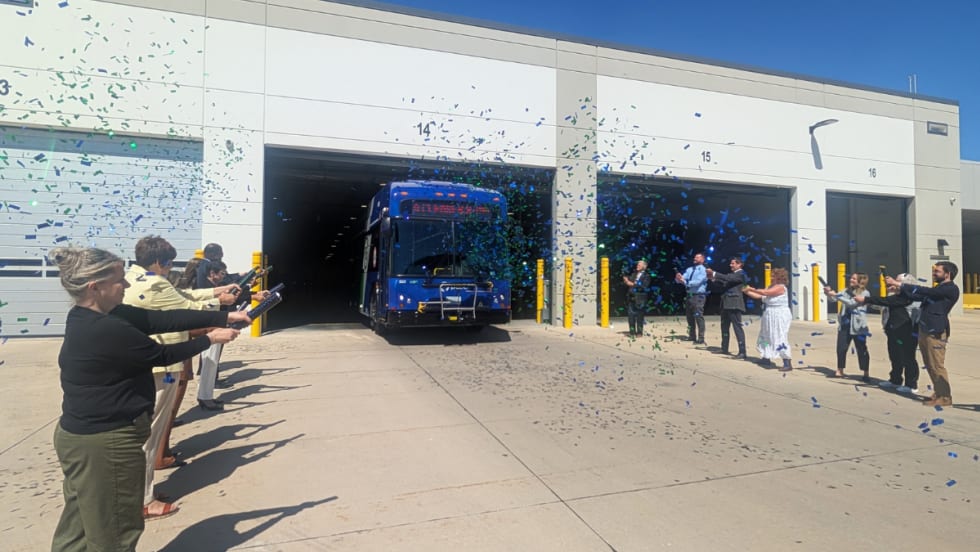
Chicago’s Pace Deploys 24 Hybrid-Electric Buses in Will County
The new buses reduce emissions and fuel consumption while advancing the agency's long-term goal of transitioning to a fully zero-emission fleet.
Read More →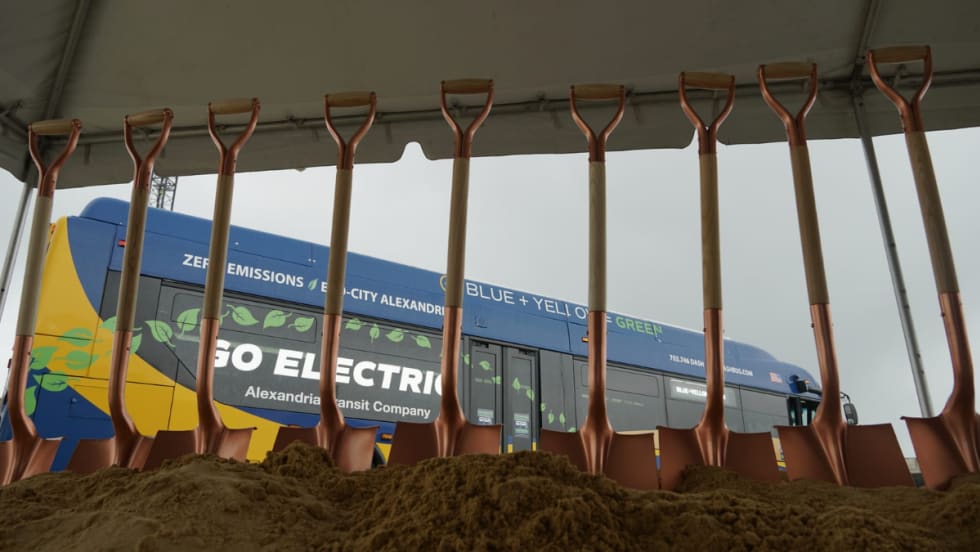
DASH Breaks Ground on First On-Route Electric Bus Chargers in D.C. Region
The fast-charging infrastructure will help extend electric bus range, improve fleet utilization, and support DASH's goal of transitioning to a fully zero-emission fleet.
Read More →